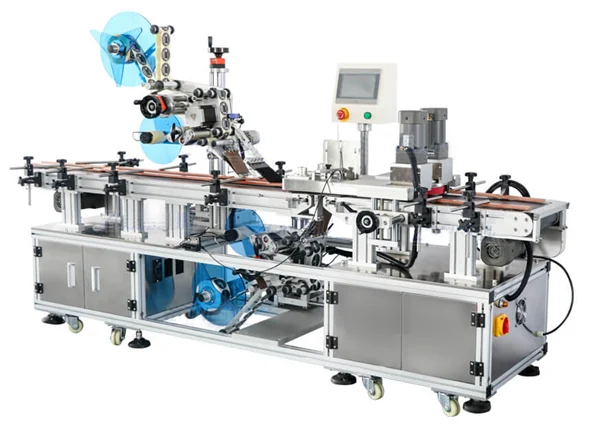
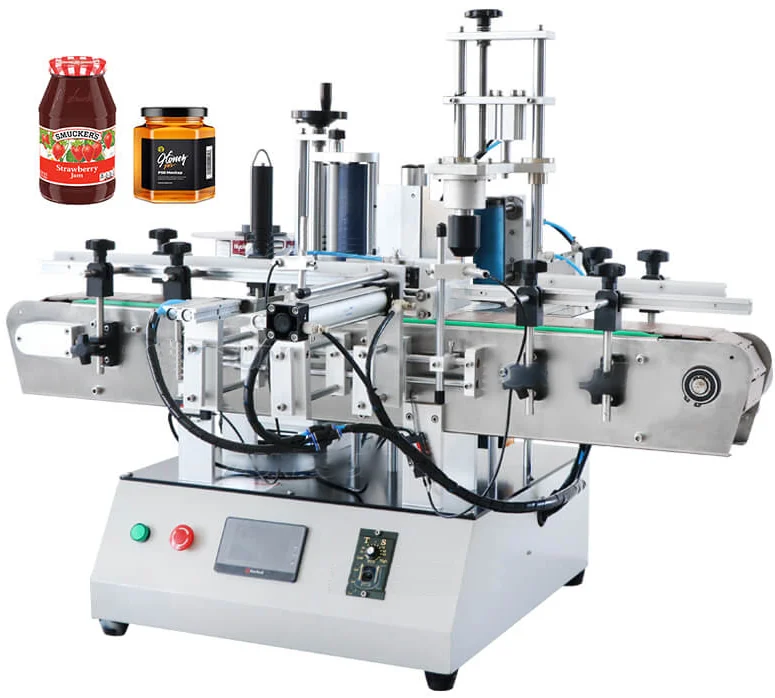
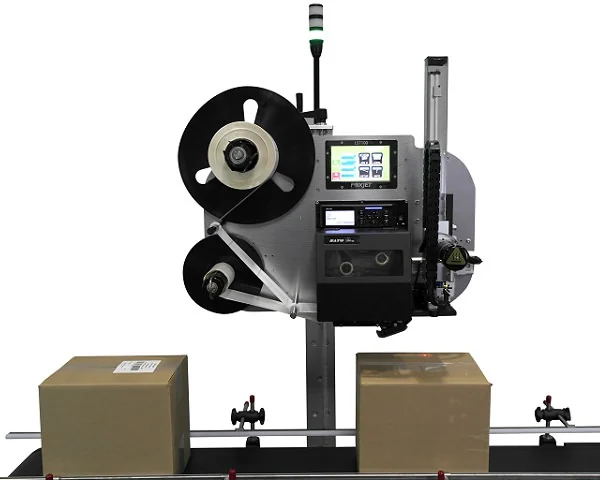
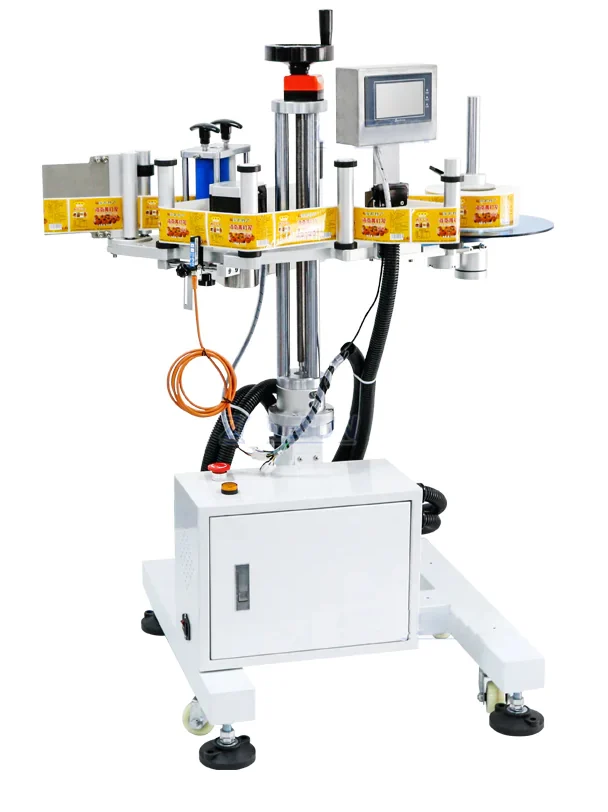
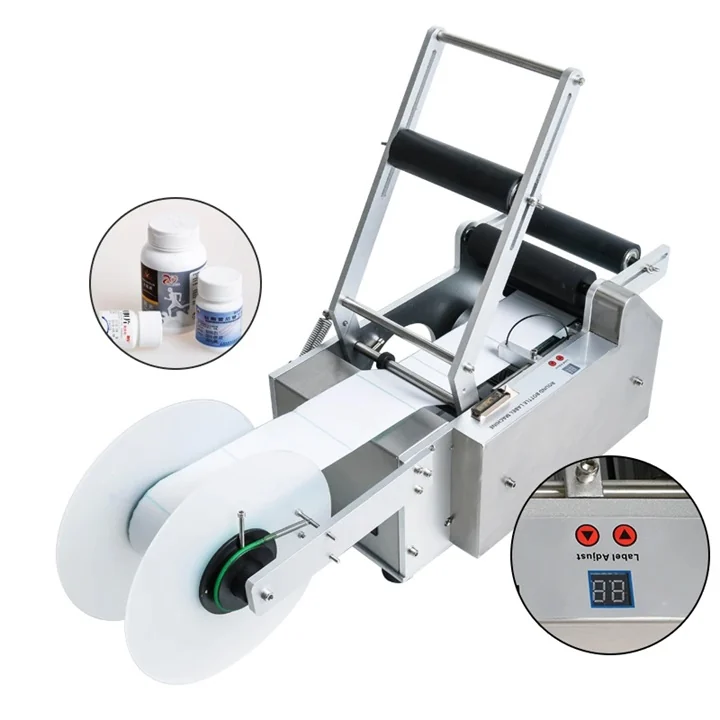
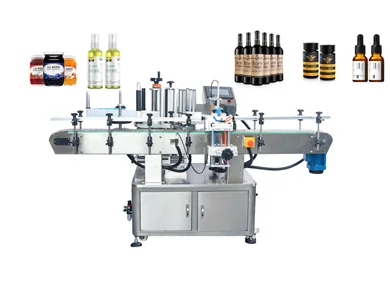
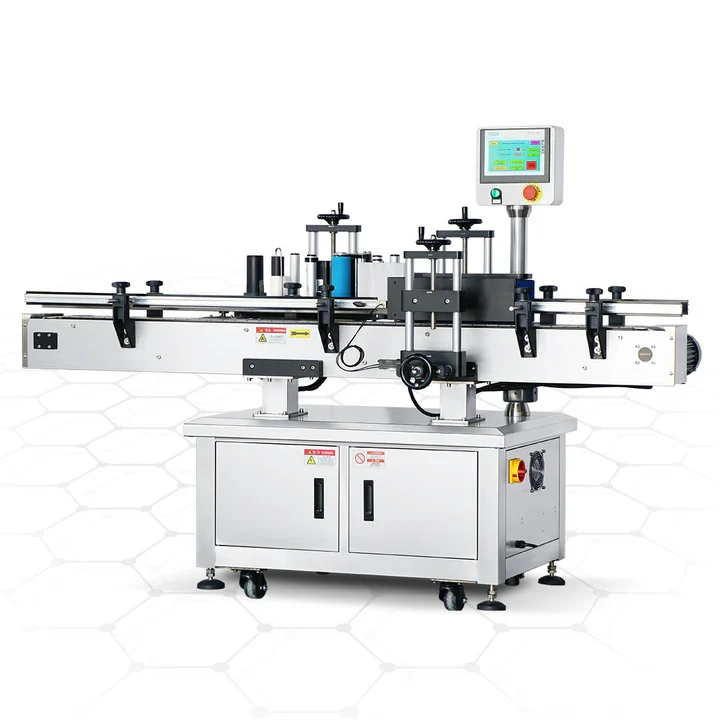
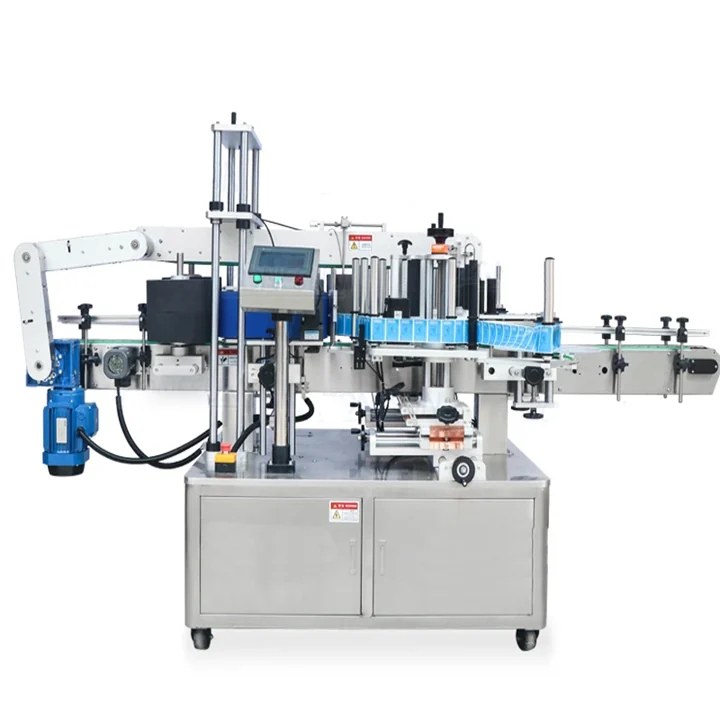
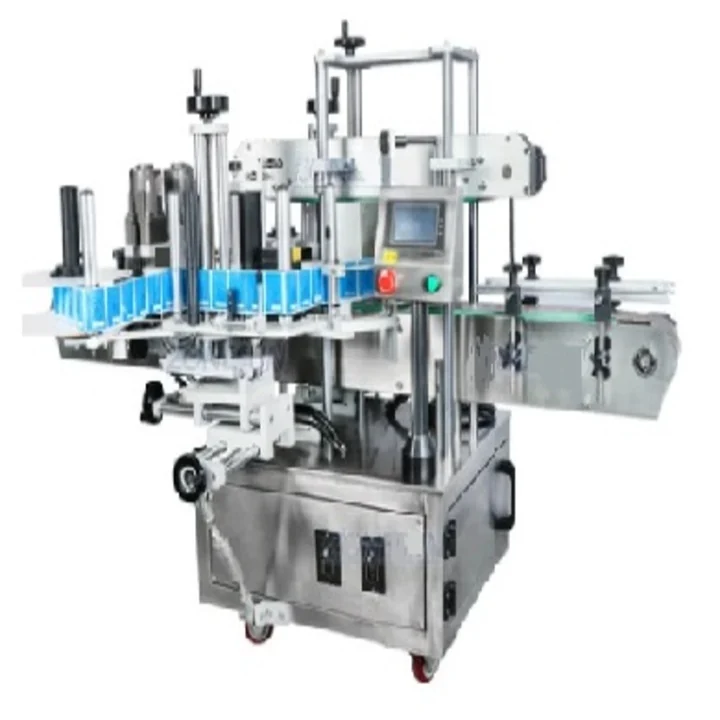
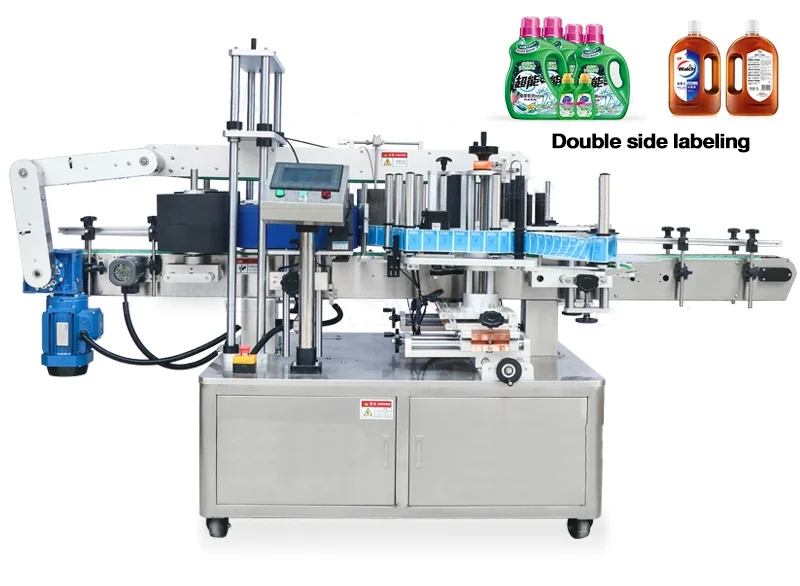
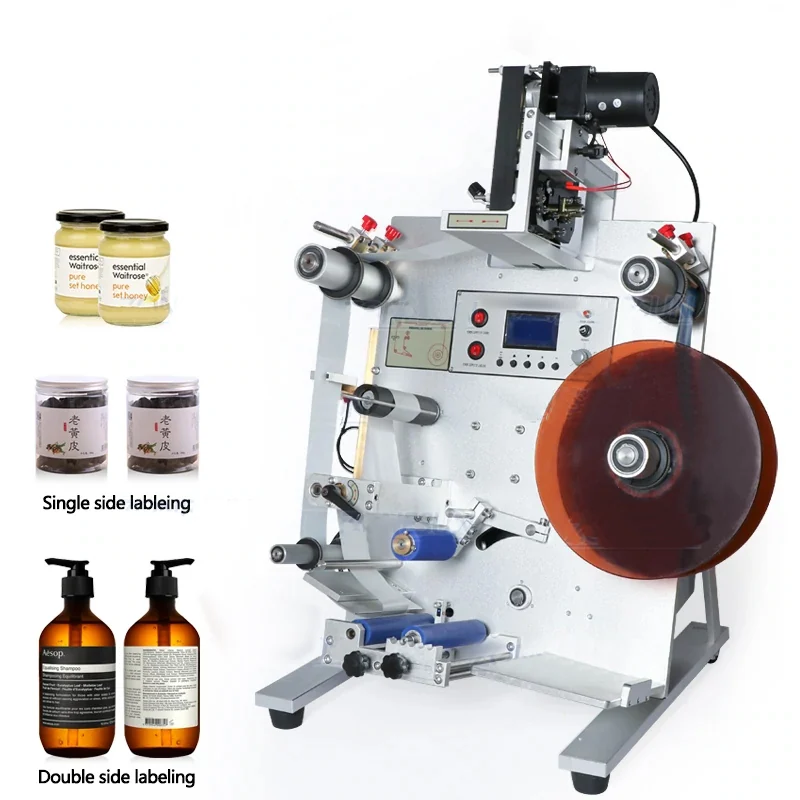
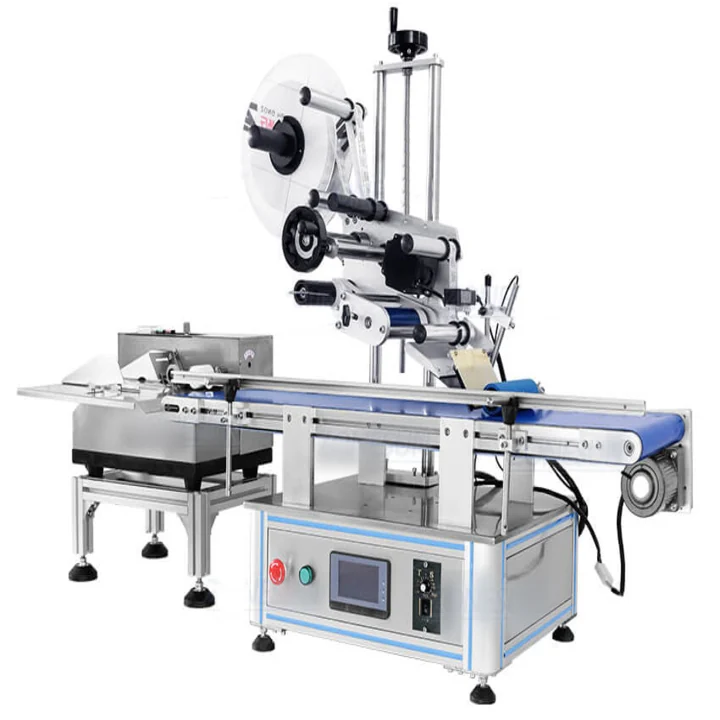
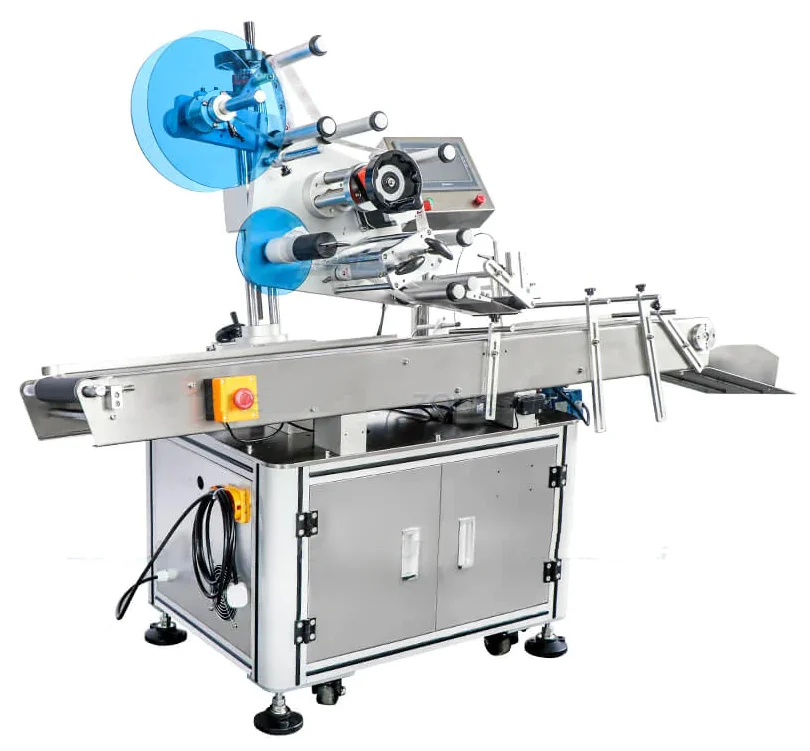
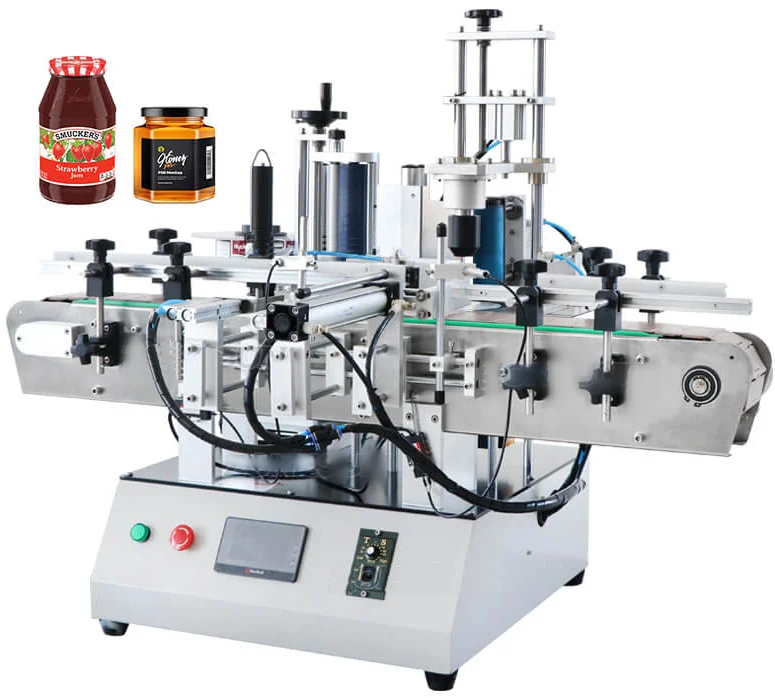
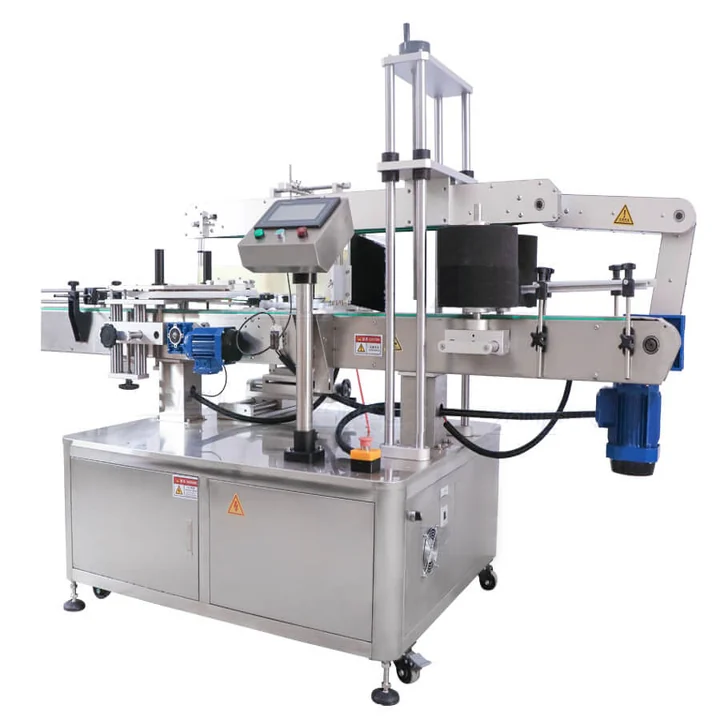
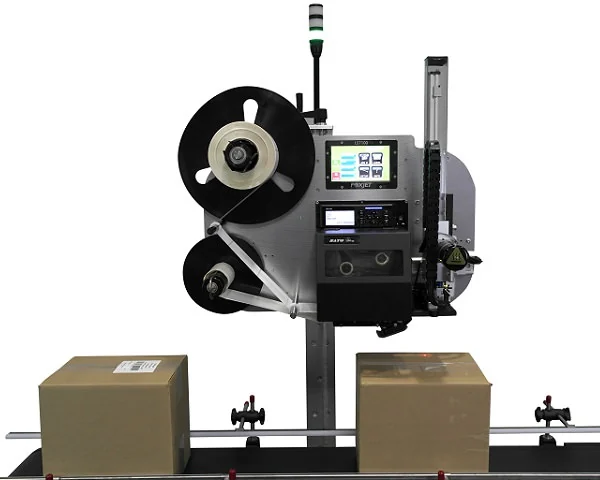
Should the product or the label determine the machine type first?
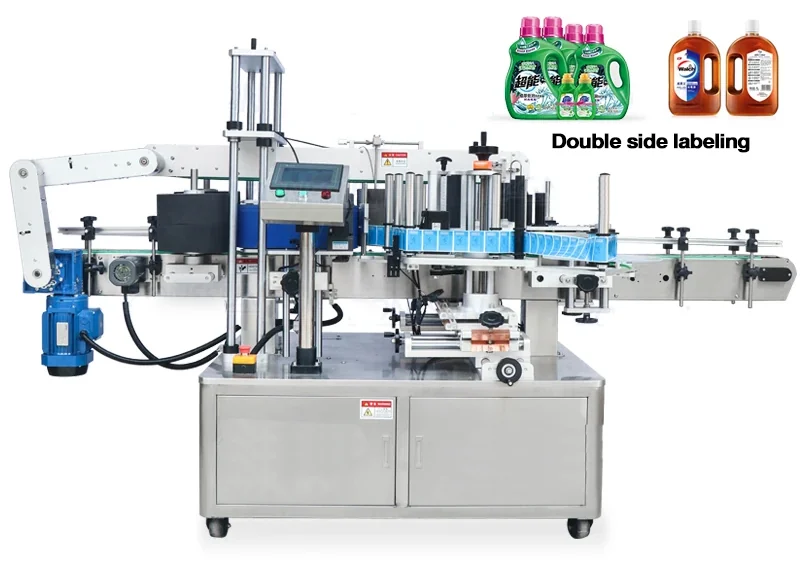
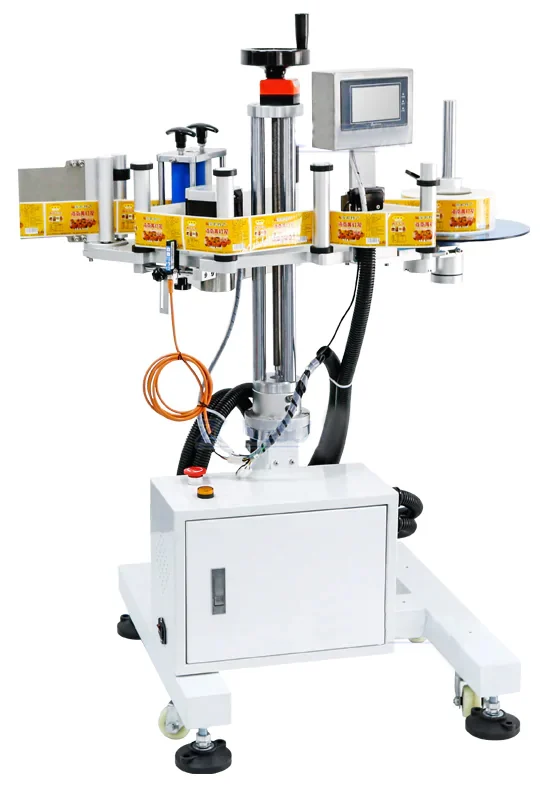
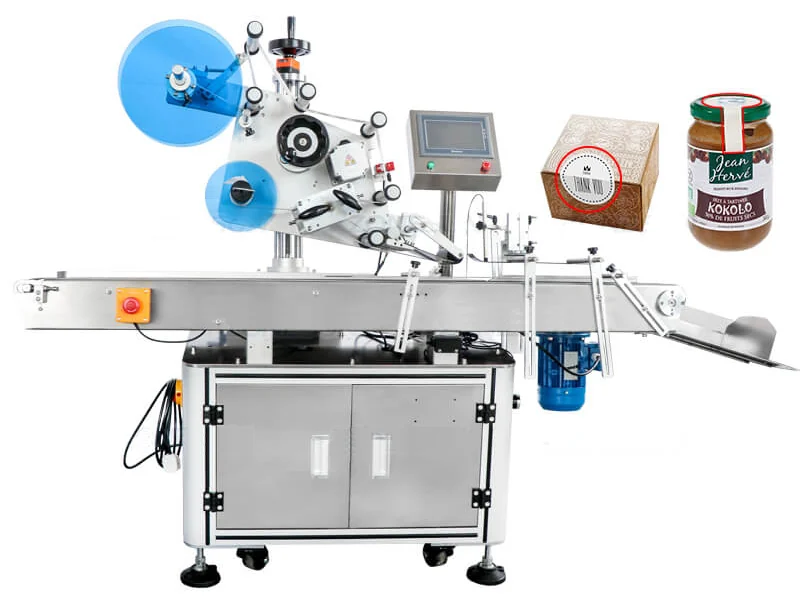
The product geometry normally determines the handling route, while the label determines sensing and dispensing details. Both have to be considered together: a round bottle may point towards wrap-around handling, but the label length, material and seam requirement still influence the final design.
Start with the product shape and label position, then confirm the roll construction and production conditions before selecting a model.
When is a standalone label applicator enough?
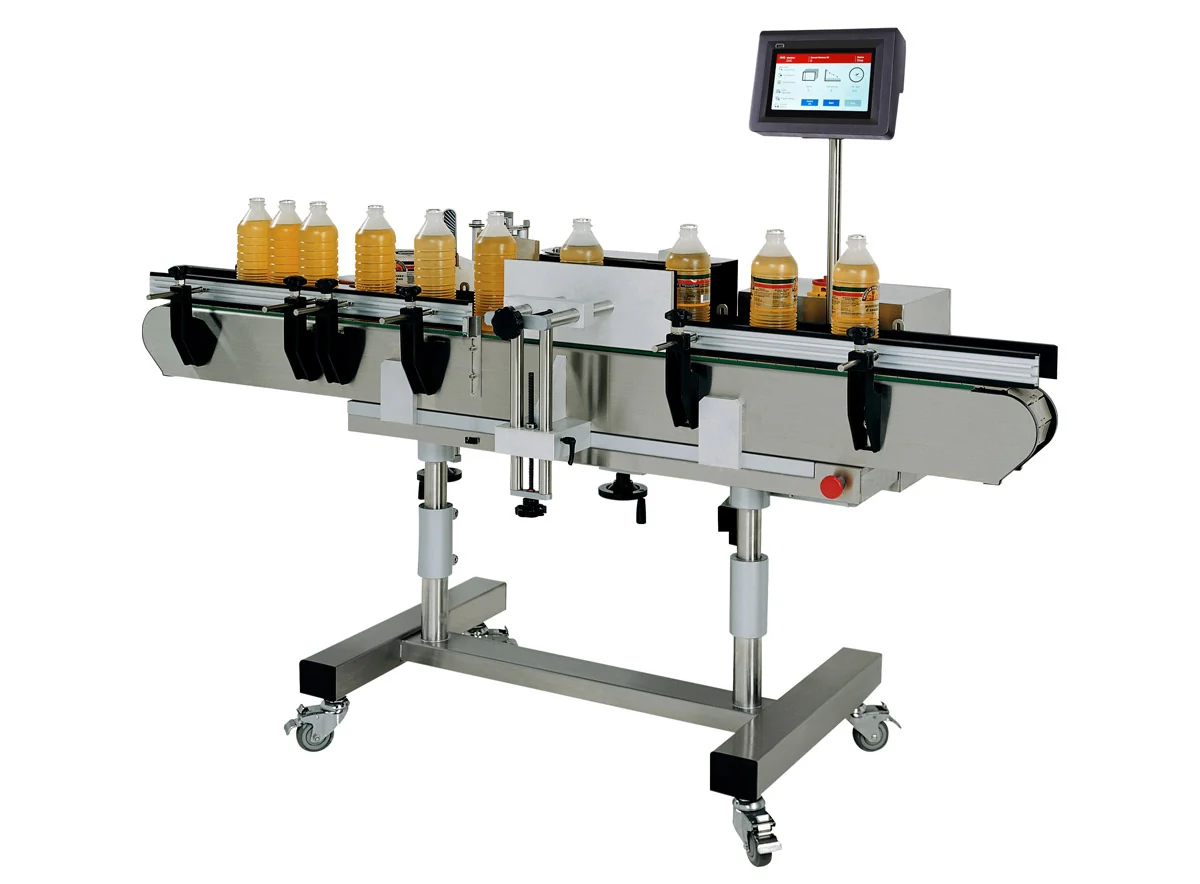
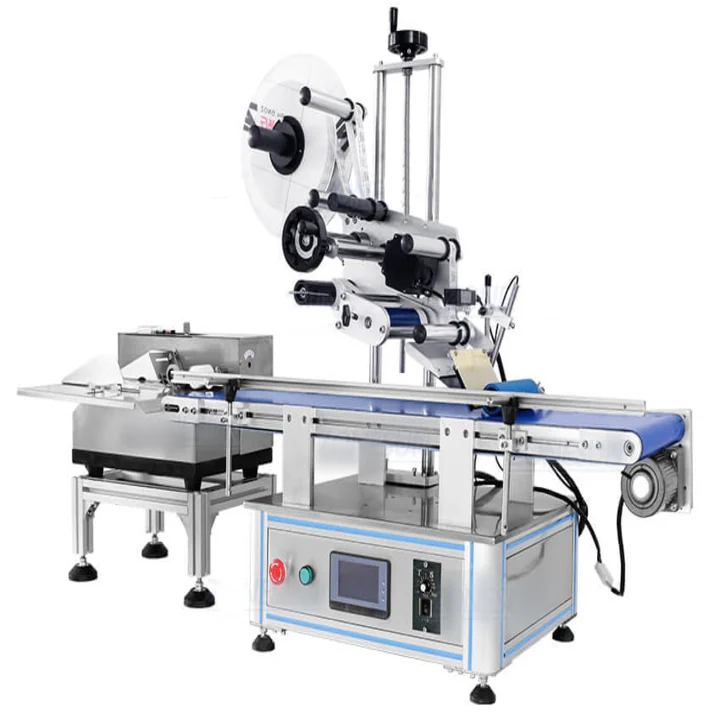
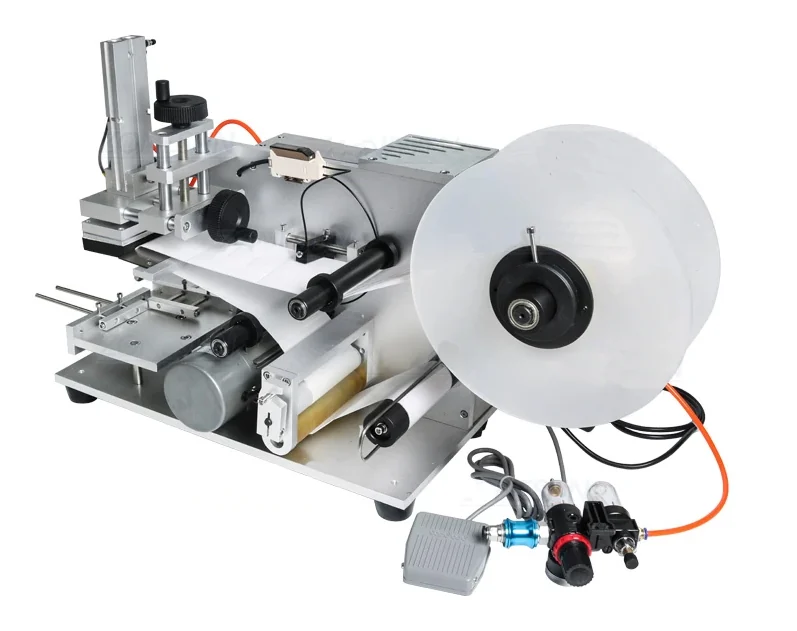
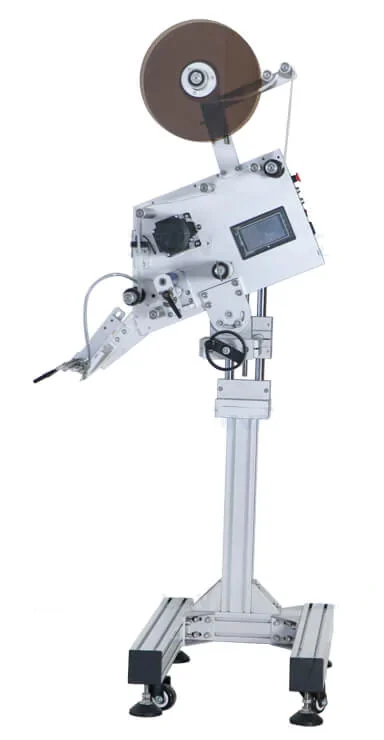
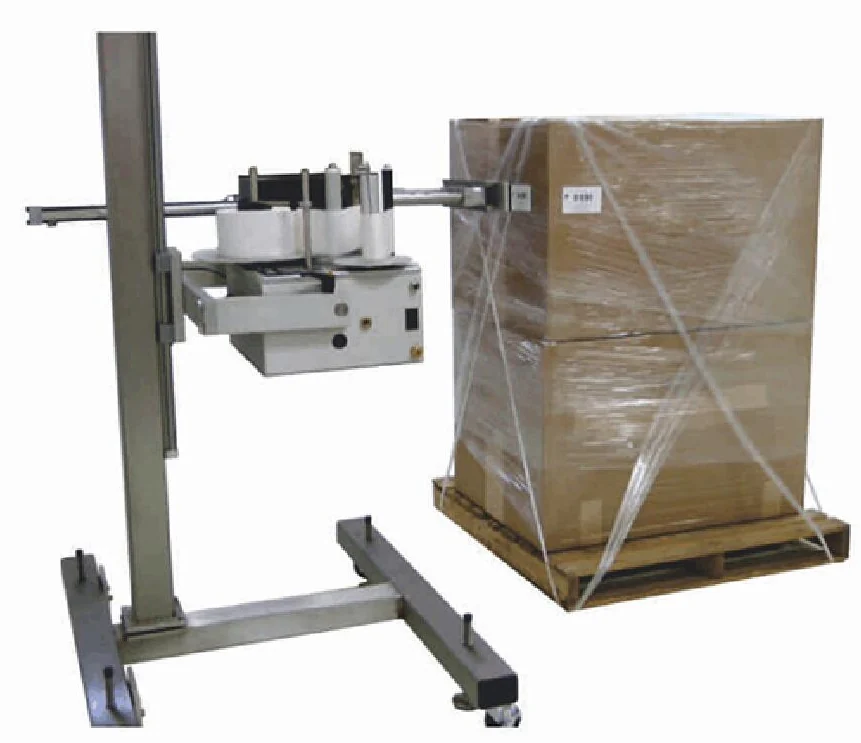
A standalone applicator can be enough when the existing conveyor presents every product at a controlled gap, orientation and height, and the product surface is accessible without extra stabilisation. The applicator still needs a reliable product trigger, speed reference where required and a suitable wipe-down method.
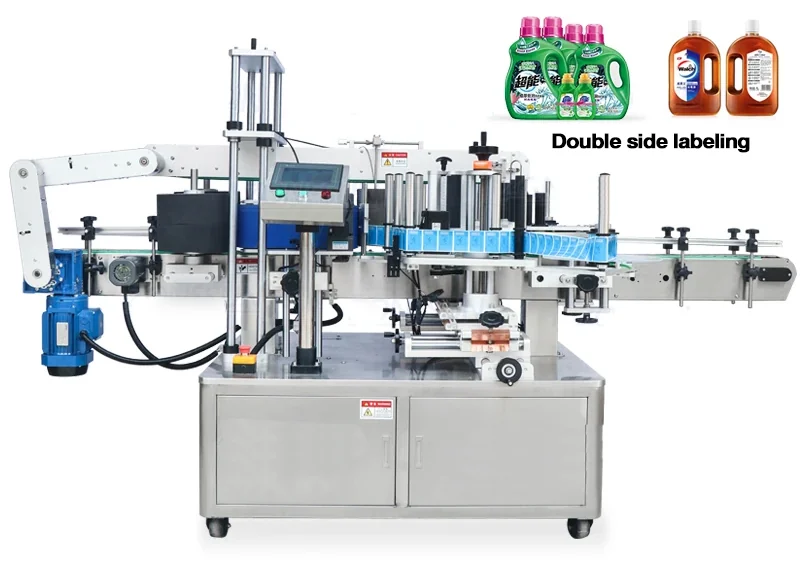
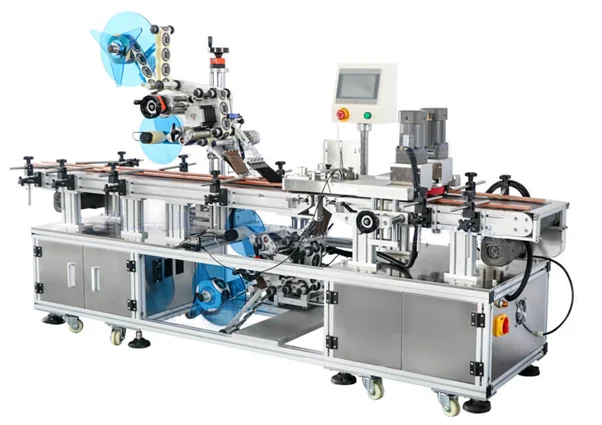
If the product twists, touches adjacent packs or varies in presentation, a complete machine with dedicated handling is normally the safer route.
When is controlled product orientation essential?
Controlled orientation is essential when the label must align with a handle, seam, flat panel, cap feature, existing artwork or a second label. It may also be needed when an oval, square or irregular container can enter the labelling station in more than one attitude.
Orientation should be proved with the real pack at the intended line conditions, not assumed from the nominal container shape.
Can one labelling machine cover several SKUs without dedicated tooling?
One machine may cover several SKUs when the products remain inside a practical handling envelope and each change can be set repeatably. Large changes in diameter, height, panel position, stability or label path may require adjustable parts, recipe-controlled settings or dedicated format components.
The comparison should list every intended SKU and identify which adjustments are manual, recipe-driven or tooling-dependent.
How does variable data change the labelling-machine route?
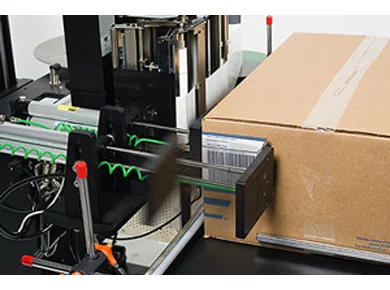
Variable data introduces responsibility for the data source, print engine, label queue, product tracking, verification and fault recovery. A pre-printed label applicator only needs to dispense the correct label; a print-and-apply system must also prove that the right data reached the right product.
Define the data owner and verification requirement before comparing the mechanical applicator methods.
What should a fair labelling-machine comparison include?
A fair comparison should cover product range, label range, changeover method, handling responsibility, utilities, controls, guarding, coding or inspection interfaces, test evidence, documentation, training, support and the agreed acceptance method.
Compare exclusions as carefully as included equipment. Two quotations can describe similar labellers while assigning very different responsibilities to the buyer.