Orientation datum
Identify the face, seam, handle or moulded feature that establishes the starting orientation before the first label is dispensed.
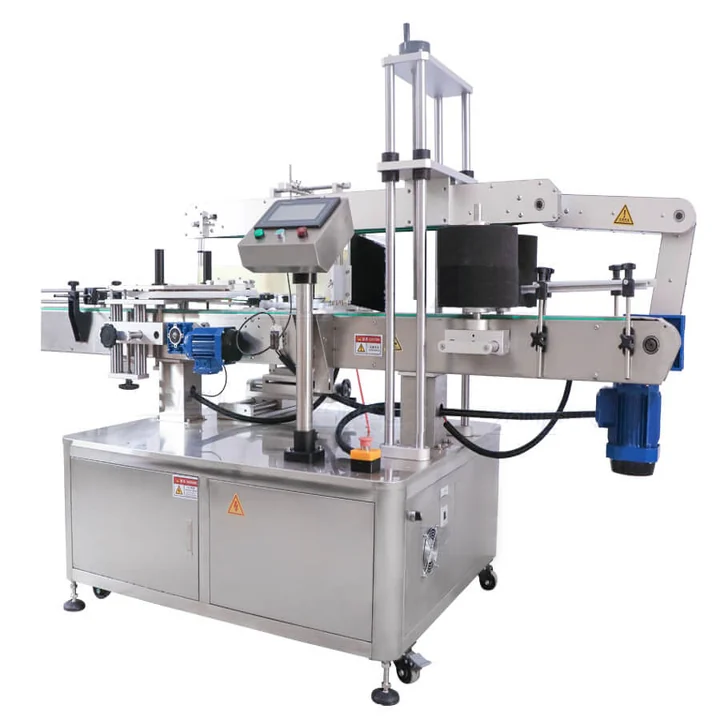
Multi-side labelling for square, rectangular and shaped packs.
A shaped-container labeller for products needing labels over multiple panels or around corners. The configuration is selected around the bottle geometry and label path.
Final specification depends on real samples, label material and the production environment.
| Typical use | Three-side or shaped pack labelling |
|---|---|
| Automation level | Automatic / project configured |
| Container type | Square, rectangular and shaped |
| Design basis | Product geometry and label path |
Compare similar options before selecting the final machine type.
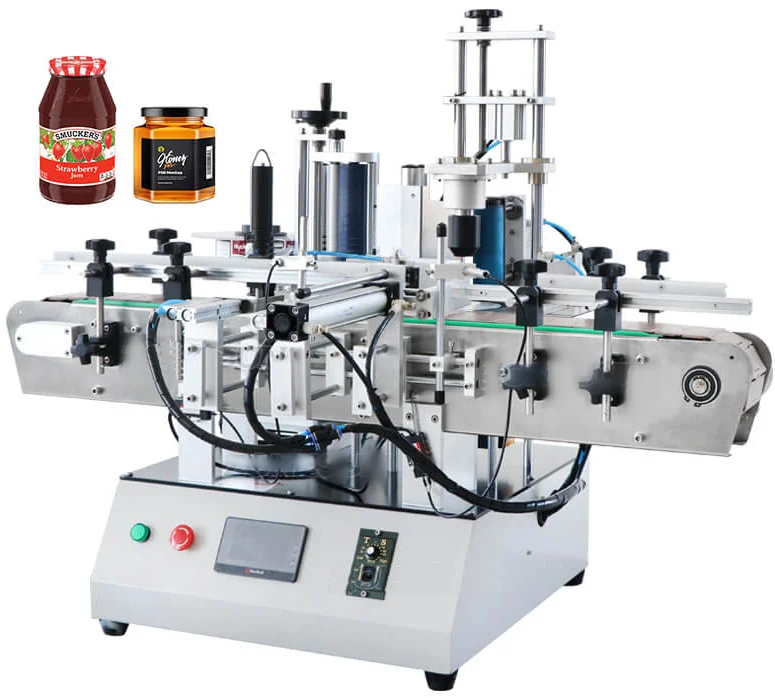
Controlled labelling for hexagonal jars, square jars and shaped containers.
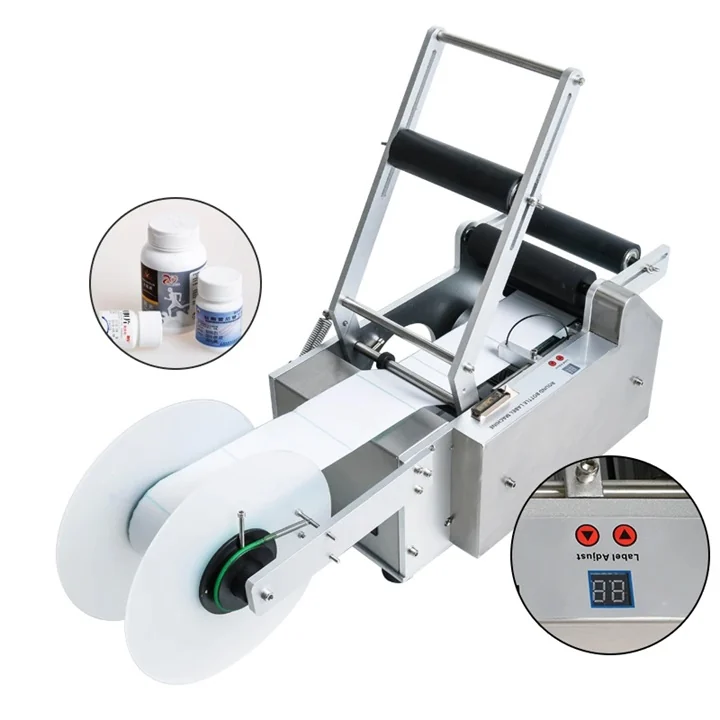
Bench-top wrap-around label applicator for round bottles, jars and small batches.
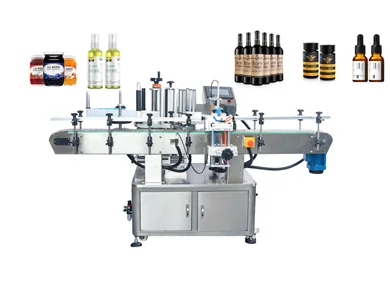
Space-saving automatic wrap-around labeller for round bottles on a conveyor.
Automatic Three-Side Shaped Container Labeller should be selected around product handling, label roll data, required label position and the real production speed needed after changeover. A good specification should also confirm operator access, cleaning, guarding, conveyors, coding and spare parts before the machine is ordered.
Send your sample details, label roll specification and required output. Lancing UK can advise whether this configuration is suitable or whether another labelling route would be better.
A three-side system needs a repeatable product datum before it can wipe labels across several faces. Supply the pack filled and capped, mark each label panel, record corner radii and identify any handle, seam or recess that can change orientation. The trial should check that the first face is aligned before later wipe-down stages move the label around corners.
Identify the face, seam, handle or moulded feature that establishes the starting orientation before the first label is dispensed.
Mark the order in which each label or wipe stage reaches the pack and show where one application can disturb a later face.
Use final label material on filled packs to assess corner radii, edge lift, trapped air and the effect of label stiffness.
Use the shaped and irregular container guide to prepare the trial and enquiry information.
Send filled packs, every production label roll, marked face drawings and the intended line presentation so the orientation and wipe sequence can be checked.