Operator presentation
Define how the bottle is oriented and seated before each cycle, including the feature used when artwork must face a closure or seam.
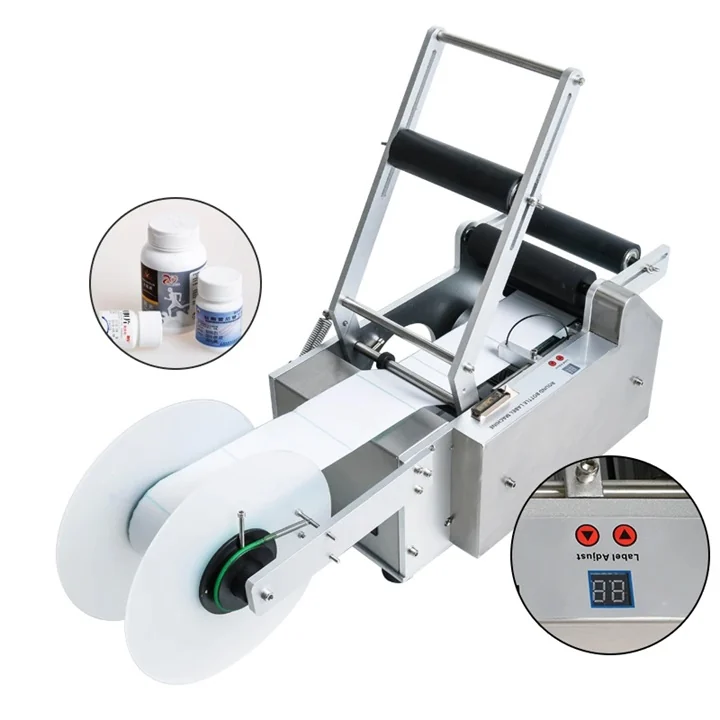
Bench-top wrap-around label applicator for round bottles, jars and small batches.
A compact semi-automatic bottle labeller for round containers where quick setup, operator control and a small footprint matter. The operator places the container, starts the cycle and the machine rotates the bottle to apply a consistent wrap-around label.
Final specification depends on real samples, label material and the production environment.
| Typical use | Round bottle and jar labelling |
|---|---|
| Automation level | Semi-automatic |
| Container type | Cylindrical / round |
| Best for | Start-ups, samples and small-batch production |
Compare similar options before selecting the final machine type.
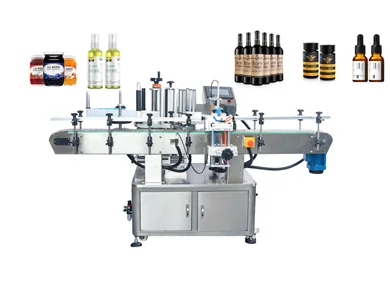
Space-saving automatic wrap-around labeller for round bottles on a conveyor.
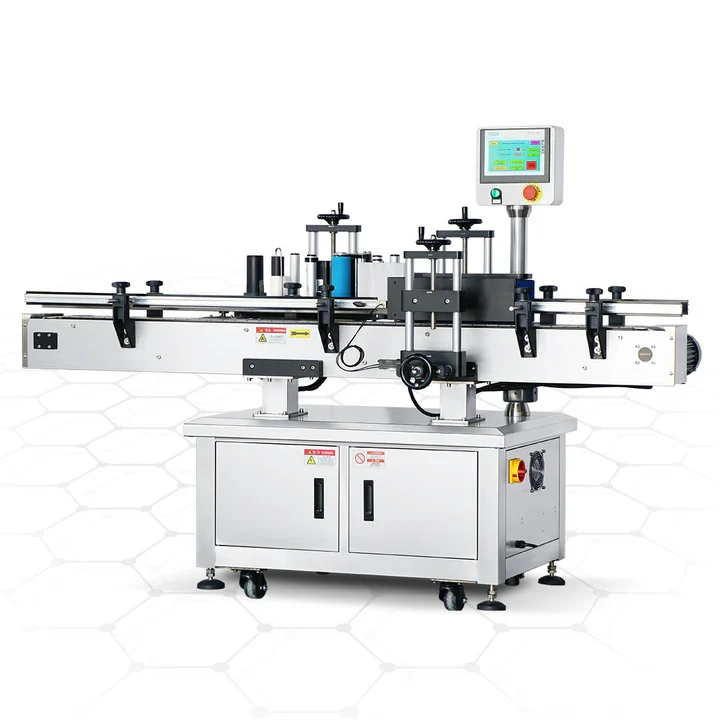
Inline wrap-around labelling for round bottles and jars at production-line speeds.
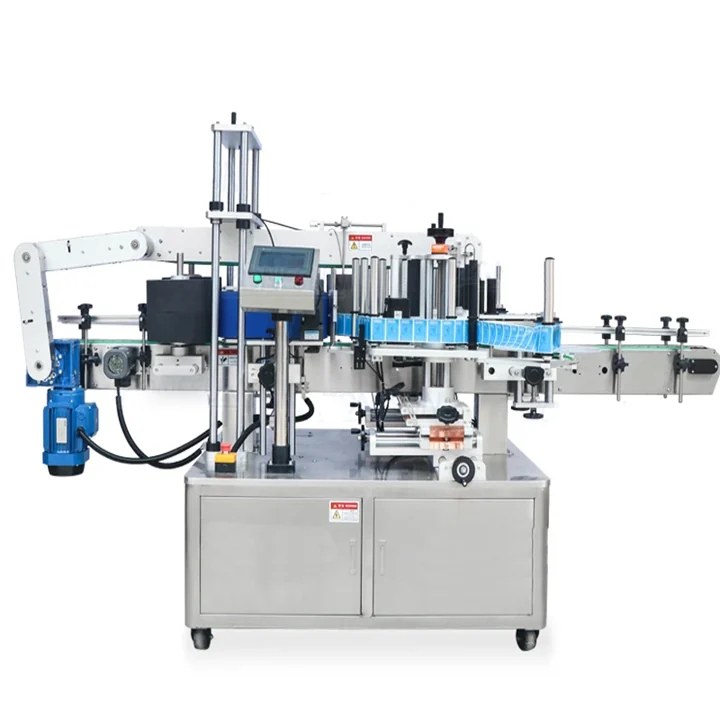
Front and back labelling for flat, oval, square and selected round containers.
Semi-Automatic Wrap Around Labeller should be selected around product handling, label roll data, required label position and the real production speed needed after changeover. A good specification should also confirm operator access, cleaning, guarding, conveyors, coding and spare parts before the machine is ordered.
Send your sample details, label roll specification and required output. Lancing UK can advise whether this configuration is suitable or whether another labelling route would be better.
Semi-automatic output depends on the complete operator cycle: pick, orient, load, start, remove and inspect. Use filled products and production labels to confirm that every operator can reach the same start position without excessive adjustment. Record the approved guide settings and the way front/back label spacing is established where two labels are applied.
Define how the bottle is oriented and seated before each cycle, including the feature used when artwork must face a closure or seam.
Mark the required leading edge, meeting seam or front-to-back gap on a finished sample rather than relying on artwork alone.
Include roll changes, completed-pack removal, inspection and accumulation when assessing the practical operator cycle.
Use the round-bottle guide to prepare the trial and enquiry information.
Send filled bottles, production rolls and the intended batch method so repeatable loading, finished appearance and changeover can be checked with real samples.