Automatic Wraparound Labeller

Automatic Wraparound Labeller

Inline wrap-around labelling for round bottles and jars at production-line speeds.

High-speed wrap-around range

Application overview

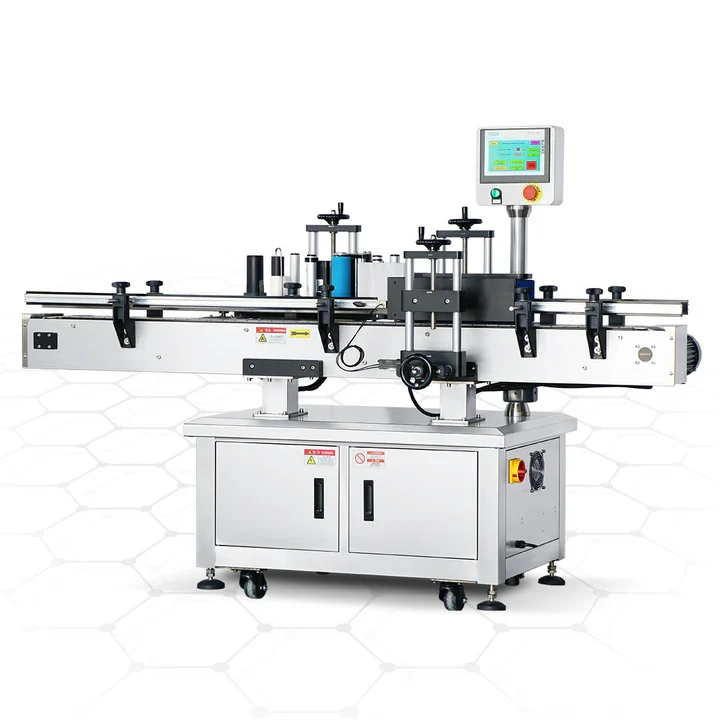
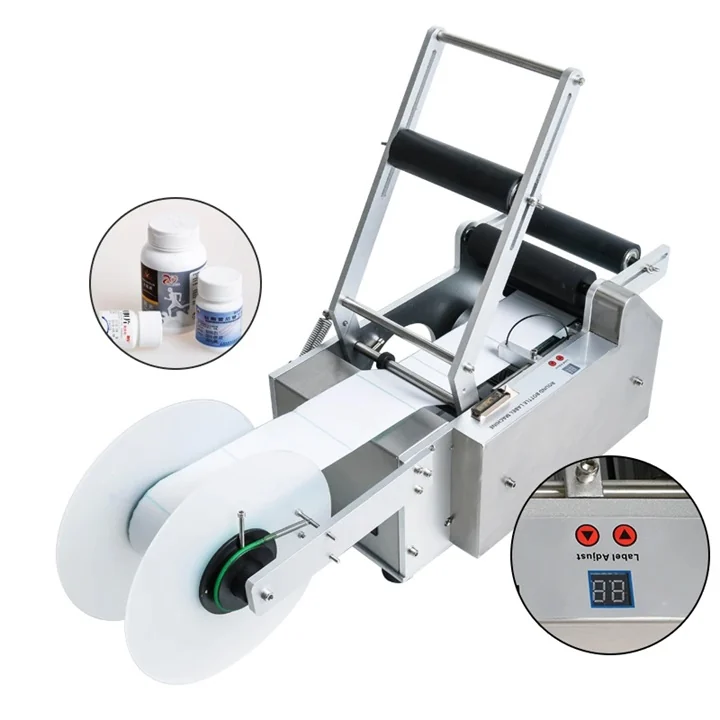
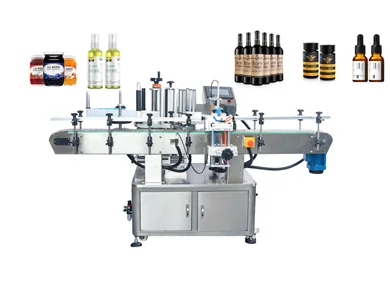
An automatic round bottle labelling machine for continuous production. The machine presents the label to the container as it travels through the labelling station, with wrap belts or rollers controlling product rotation for accurate application.

  • Inline continuous operation
  • Wrap-around control for consistent label placement
  • Suitable for single-label round bottle applications
  • Can link with fillers, cappers, coders and outfeed conveyors
Automatic Wraparound Labeller
Specification

Typical specification starting points

Final specification depends on real samples, label material and the production environment.

Typical useHigh-output round bottle labelling
Automation levelAutomatic
Container typeRound / cylindrical
Line roleInline production labeller
Machine video

See the labelling format in motion

This video asset is included in the site package so the page can show buyers the labelling action without relying on external embeds.

Specification points for this labelling range

Automatic Wraparound Labeller should be selected around product handling, label roll data, required label position and the real production speed needed after changeover. A good specification should also confirm operator access, cleaning, guarding, conveyors, coding and spare parts before the machine is ordered.

  • Confirm product dimensions, material, weight and stability.
  • Check label roll core, outside diameter, label gap and unwind direction.
  • Agree acceptable placement tolerance and repeatability.
  • Plan integration with filling, capping, coding, inspection or end-of-line handling where required.

Enquire about the Automatic Wraparound Labeller

Send your sample details, label roll specification and required output. Lancing UK can advise whether this configuration is suitable or whether another labelling route would be better.

Engineering detail

Engineering an automatic wrap-around labeller for repeatable bottle presentation

This machine route is intended for round or cylindrical packs that can be spaced, stabilised and rotated consistently on a conveyor. The specification should be built around the complete operating range rather than one ideal bottle. A small difference in base flatness, sidewall taper, fill weight or label length can change how the pack behaves between the infeed, peel point and wrap station.

How the application process works

Products are separated before the application point so the label head can respond to one container at a time. The label sensor controls presentation from the liner, while product detection establishes when application begins. A belt, rollers or another wrap-control arrangement then maintains contact and rotates the container so the label is laid around the circumference. These functions must be timed together; increasing conveyor speed without confirming spacing, label feed and wrap contact can reduce placement quality.

When another technology is more suitable

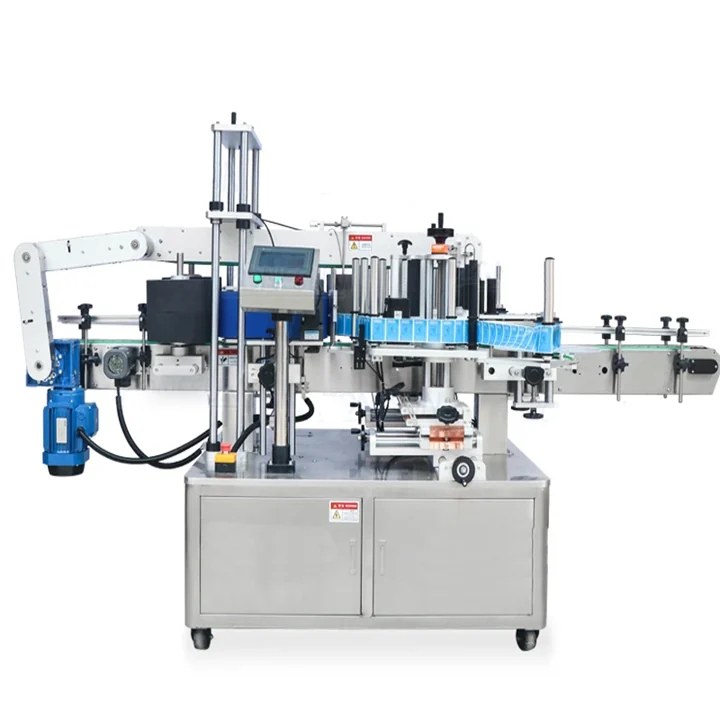
Use a front-and-back labeller when the pack needs two separate labels or cannot rotate consistently. Use a shaped-container system when presentation depends on indexing to a flat panel, and use a sleeve applicator where the decoration is a shrink sleeve rather than a pressure-sensitive label.

Project evidence to send

  • Representative smallest and largest products in production condition
  • Normal label rolls with roll and unwind details
  • Marked examples showing the required label position
  • Normal output, batch pattern and changeover range
  • Line layout, conveyor interfaces, coding and inspection requirements
Specification and test

Inputs that determine handling, sensing and acceptance

Unknown values should be confirmed from the real product and label rather than replaced with catalogue assumptions.

Product rangeSmallest and largest diameter and height, material, filled weight, cap or shoulder shape, base condition and any moulding seam or feature used as a visual reference.
Label rollLabel width and length, gap, liner width, core, outside roll diameter, unwind direction, material, adhesive and whether the label is transparent or unusually reflective.
PlacementReference edge, leading-edge position, acceptable skew, meeting seam or overlap, orientation requirement and whether printed artwork must align to a container feature.
Line interfaceNormal operating rate, conveyor height and direction, upstream spacing, downstream accumulation, coding or inspection equipment, guarding and available operator access.
Sample trial

Use production-condition evidence

Use filled production containers where weight affects stability and a normal production label roll. Mark the intended leading-edge reference and run a representative sequence after normal setup. Check straightness, the seam or overlap, adhesion and variation across the sequence. Repeat after a documented changeover and on the smallest and largest agreed formats. Transparent labels should be tested with the actual liner and sensor arrangement rather than assumed from artwork.

Changeover and upkeep

Protect repeatability after setup

Routine attention should keep the peel edge, rollers, wrap surfaces, belts and sensors clean and free from adhesive build-up. Operators should inspect web tracking, damaged liner edges and worn contact surfaces before compensating with timing changes. Changeover records should include guides, head position, sensor position and wrap settings so accepted performance can be restored without trial and error.

Quotation brief

Describe the complete line role

Include upstream and downstream equipment, conveyor direction and height, normal stops, operator access, utilities and any control signals. State which items are essential and which are future options.

Buyer questions

Questions to resolve before ordering

Which containers suit an automatic wrap-around labeller?

Round and cylindrical containers that can travel and rotate consistently are the normal starting point. Tapered, very light, unstable or irregular packs need sample review because product control may become the limiting factor.

What label-roll details are needed?

Provide label width and length, gap, liner width, core size, outside roll diameter, unwind direction, material, adhesive and whether the label is transparent. A normal production roll is the best evidence.

Can clear labels be used?

Clear labels may require a suitable sensing arrangement. Compatibility should be checked with the actual label and liner because artwork or material names alone do not prove the sensor will distinguish the gap.

How should label placement be tested?

Agree a physical reference on the pack, run representative samples at the intended operating condition, check skew and the meeting seam, and repeat the check after changeover on the agreed product range.

Can the labeller connect to a filler or capper?

An automatic labeller can be planned as part of a conveyorised line, but conveyor height, speed control, product spacing, accumulation, guarding and control signals must be reviewed for the actual upstream and downstream equipment.

When is a front-and-back machine more suitable?

Choose front and back labelling where two separate labels must be placed on opposite faces or where the container should remain oriented rather than rotate through a wrap station.

Ask Lancing UK to review this application

Send product samples or dimensions, the label-roll specification, marked placement examples, normal output and the surrounding line details.

Acceptance planning

Build the wrap-around acceptance plan around rotation and seam control

The label head is only one part of this machine route. Repeatable presentation depends on the container reaching the peel point in a controlled position, remaining stable during application and rotating consistently while the label is wrapped around the circumference.

Container control

Review base flatness, taper, filled weight, cap or shoulder shape and any moulding feature that can disturb side contact. Test the least stable production format rather than only the easiest bottle.

Label path and sensing

Use the production liner and label material to confirm gap detection, dispense behaviour and web tracking. Clear, reflective or unusually shaped labels need sample evidence before the sensing route is fixed.

Line timing

Confirm how products are spaced before the label head, what happens during upstream stops and how downstream accumulation affects the wrap station. A stable restart is part of the operating requirement.

Trial stageWhat to observeEvidence to retain
Initial set-upLeading-edge position, label straightness, wrap contact and seam or overlapMarked reference sample and recorded settings
Smallest and largest formatsGuide contact, rotation, sensor position and practical adjustment rangeAccepted sample from each handling extreme
Representative production sequenceSpacing, consistency after several products and behaviour at the intended operating conditionShort unedited run video and inspection notes
Normal changeoverTime and adjustments needed to restore the agreed position without hidden pre-settingChangeover record and first accepted pack
Stop and restartWhether a product or label is left in an uncertain state and how the operator recoversAgreed restart method and fault response

What the supplied demonstration shows

The page video shows round containers guided through the application area, the label head and the wrap-control section. It is useful for understanding the machine format and product path, but it is not evidence of a particular output, accuracy or container range. Those points are confirmed with the production pack, label roll and an agreed trial.

Use the round labelling range to compare automation levels, the bottle-labelling guide to prepare samples, or the specialist wrap-around labelling site for deeper technology coverage. If a pack needs two separate labels or cannot rotate consistently, review the automatic twin-side labeller instead.

Review the automatic wrap-around application with real samples

Send the container extremes, production label roll, required seam or overlap, normal operating pattern and surrounding line details.

Acceptance planning

Acceptance matrix for an automatic wrap-around labeller

Prove the machine on formats that challenge rotation, web feed and the meeting seam. The result should be repeatable after a label-roll change and product changeover, not only during one continuous demonstration.

Test conditionWhat to prove
Minimum productStability, sensor trigger and wrap contact
Maximum labelRelease, skew and seam relationship
Most tapered packControl of helical tracking and bubbles
Stop/restart sampleNo loose label, double feed or unknown product state
Changeover repeatReturn to recorded settings and accepted result

Prepare a representative machine trial

Send the minimum, maximum and most difficult products with production-quality label rolls and the intended placement reference.

Buyer questions

Further questions about automatic wrap-around labelling

Wrap-around quality depends on how consistently the container rotates and how the label meets itself after travelling around the circumference.

Why does container rigidity affect wrap-around labelling?

The container is normally held and rotated while the label is wiped around it. A thin or partly empty pack can deform under guide, belt or roller pressure, changing the circumference presented to the label and allowing skew or bubbles to develop.

Trial the container in its production fill condition and include the lightest or least rigid version in the acceptance set.

How should label overlap or the meeting seam be specified?

Define whether the label should meet, overlap or leave a gap, then identify the acceptable relationship to a visible product feature. The result depends on actual circumference, label length, release behaviour and repeatable rotation.

Use an approved sample or drawing as the reference and check the seam after a normal changeover, not only during the first set-up.

What container features can interrupt rotation?

Handles, pronounced mould seams, shoulders, recessed panels, unstable bases, pumps, trigger heads and off-centre closures can interfere with rollers or belts. They can also create a preferred orientation that a free-spinning round-bottle system cannot guarantee.

Where a feature controls the label position, review a positively orientated or front-and-back handling route instead.

When is positive product spacing needed before the wrap station?

Positive spacing is needed when touching or irregularly gapped containers would enter the wrap mechanism together, disturb rotation or trigger the label at inconsistent positions. The spacing method has to suit the product without scuffing, tipping or squeezing it.

Confirm the upstream arrival pattern and the response to starvation or downstream blockage as part of the line trial.

Need an answer for a specific labelling application?

Send the product, label and line details to Lancing so the answer can be checked against the real pack rather than treated as a generic machine assumption.

Next proof

Check taper, adhesion and upstream product flow

Where the bottle is tapered, chilled, wet or unstable, the wrap station cannot be judged from diameter alone. Use the new engineering guides to define the difficult condition before the final trial.

Contact us