Container control
Confirm diameter, height, material, filled weight and whether the base runs true. Lightweight or tall packs may need additional support before the label reaches the wrap belt or rollers.
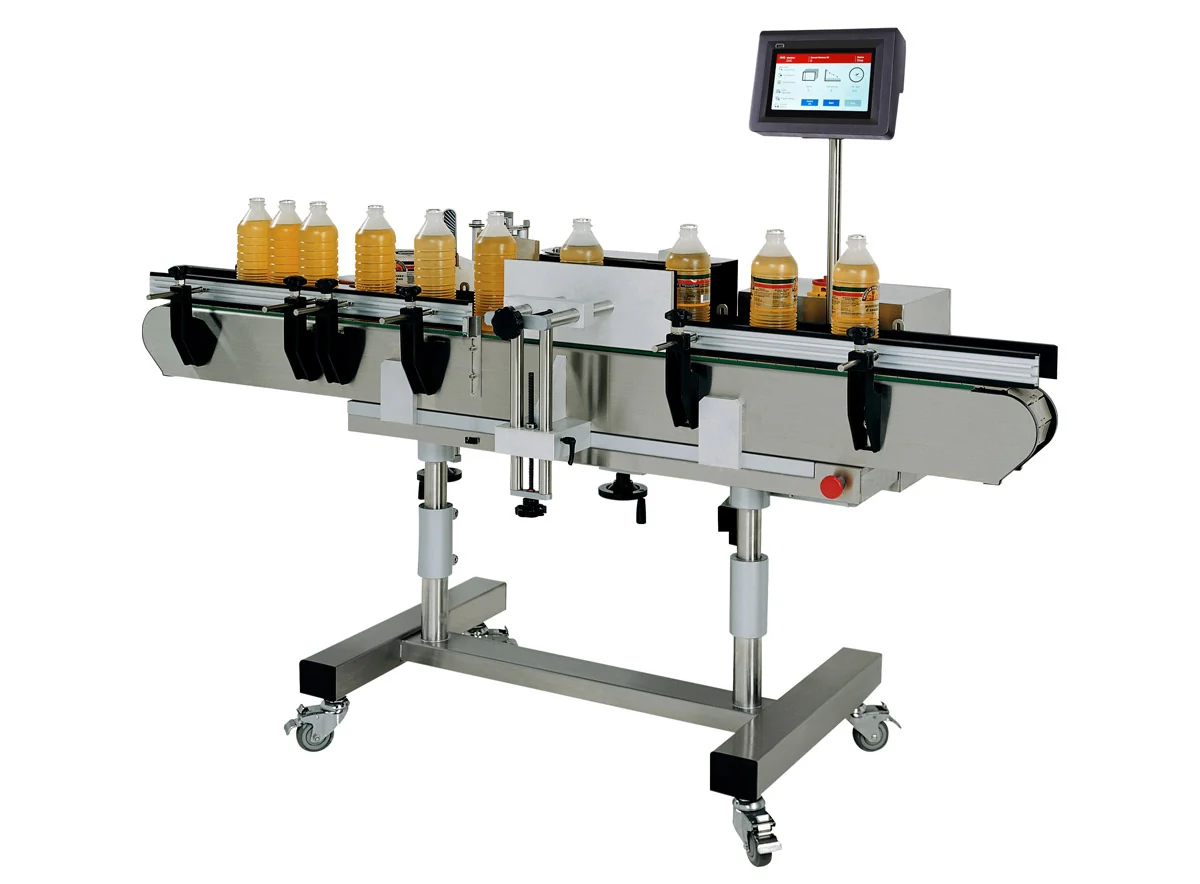
Round bottle labellers control product rotation while applying a wrap-around label. The right option depends on bottle diameter, label length, label roll core, production speed and whether the operator loads each container or the product runs through an inline conveyor.
Use these machines as a shortlist starting point, then send sample details for a project-specific quotation.
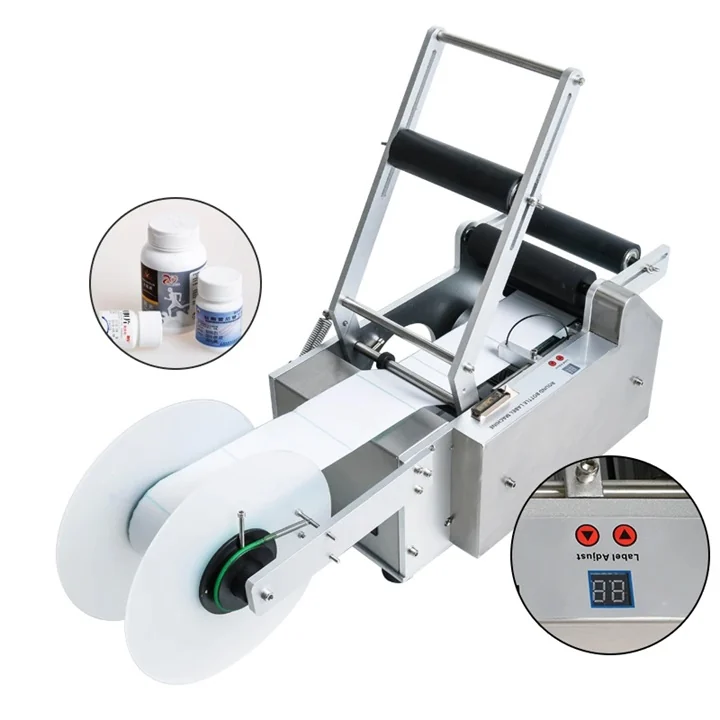
Bench-top wrap-around label applicator for round bottles, jars and small batches.
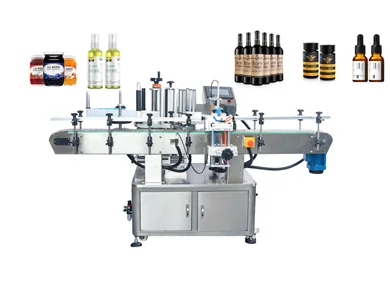
Space-saving automatic wrap-around labeller for round bottles on a conveyor.
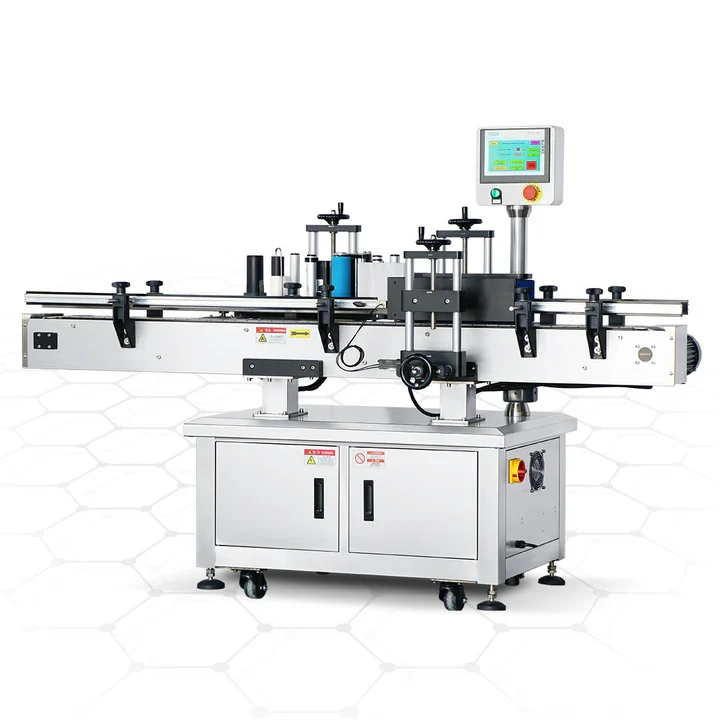
Inline wrap-around labelling for round bottles and jars at production-line speeds.
Round & Wrap-Around Labelling Machines should be selected around product handling, label roll data, required label position and the real production speed needed after changeover. A good specification should also confirm operator access, cleaning, guarding, conveyors, coding and spare parts before the machine is ordered.
Send your container, label and production details and Lancing UK can advise which machine range is the best fit.
A cylindrical pack must rotate predictably while the label leaves the liner and is wiped onto the surface. Diameter alone is not enough: sidewall taper, moulding seams, filled weight, cap shape, label length and surface condition can all change the way the bottle behaves in the wrap station.
Confirm diameter, height, material, filled weight and whether the base runs true. Lightweight or tall packs may need additional support before the label reaches the wrap belt or rollers.
Check label length against the circumference, the desired meeting seam, label gap, liner width, unwind direction and whether the leading edge must align to a feature on the bottle.
Conventional labels and transparent film labels may require different sensing arrangements. Compatibility should be checked with the production roll, especially where the liner, gap or label material is difficult to distinguish.
Record guide positions, wrap pressure, sensor position and label start point for each format. Large diameter or height changes may alter more than a single handwheel setting.
Choose front and back labelling instead when the pack needs two separate presentation panels or cannot rotate consistently. Use the dedicated sleeve route when the decoration is a shrink sleeve rather than a pressure-sensitive label.
Include product dimensions, production label rolls, normal output, changeover range, line layout and the required label position. Lancing UK can then check whether this range is the correct commercial route.
Round labelling depends on stable rotation through the complete wrap zone. Test the least stable, most tapered and widest label formats, then judge skew and seam position against an agreed reference.
Diameter alone is insufficient: include height, taper, seams, cap profile, filled weight and the usable contact area.
Guides, wrap belt or rollers must rotate the container without slip, scuffing or lifting it from the conveyor.
Width, length, gap, liner, adhesive and unwind influence feed and the point at which the label meets the product.
Inspect start-up, continuous running, stop/restart and changeover samples for skew, bubbles, wrinkles and seam relationship.
Send the product, label and line information so the most suitable labelling route can be checked before quotation.