Pressure-sensitive wrap-around
For round bottles, jars, cans and other cylindrical packs using a self-adhesive label. Product rotation and wrap control matter because the pack must stay stable while the label follows the circumference.
Specify round bottle labellers, front and back systems, flat surface labellers, top and bottom machines, label applicators and print & apply equipment for UK production lines.
Container shape and label position decide the machine type. Start with the range that matches the product you need to label.
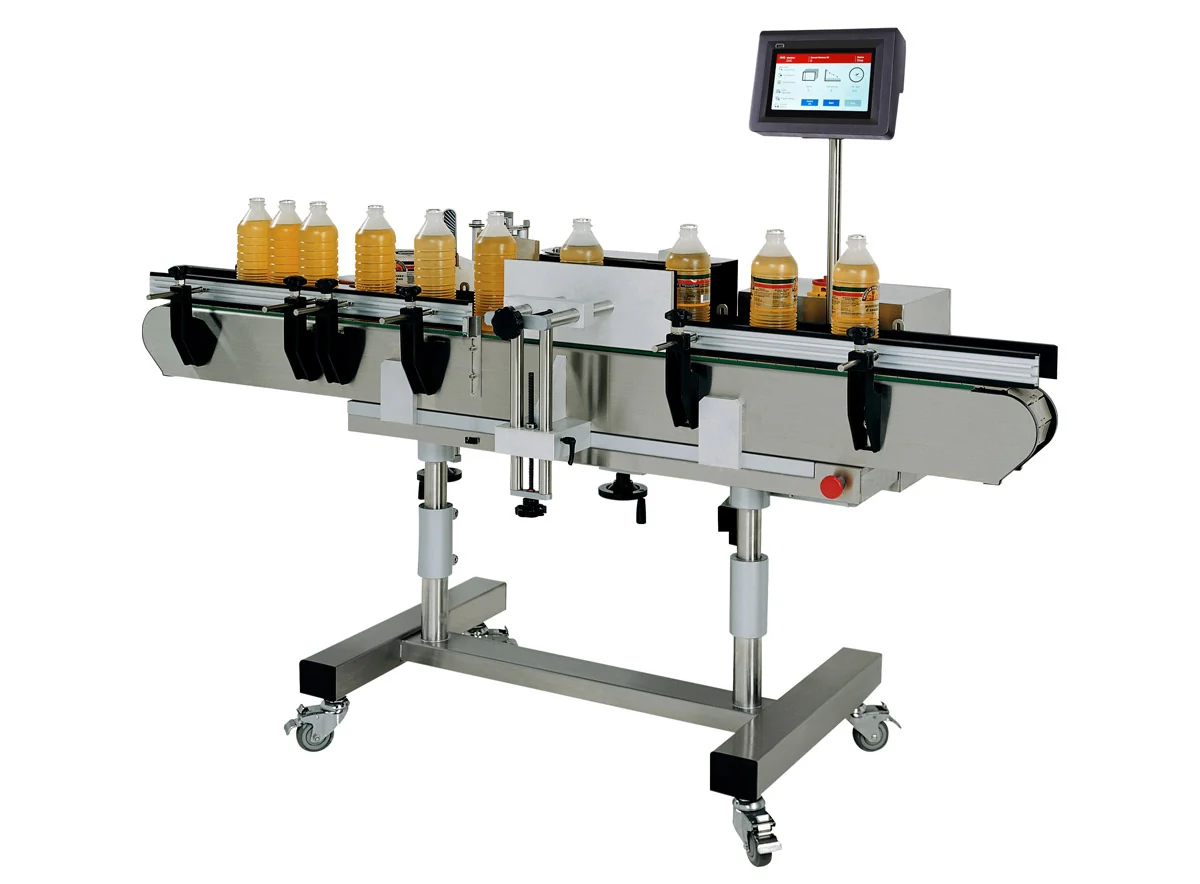
Bottle labellers for round bottles, jars and cylindrical containers.
View range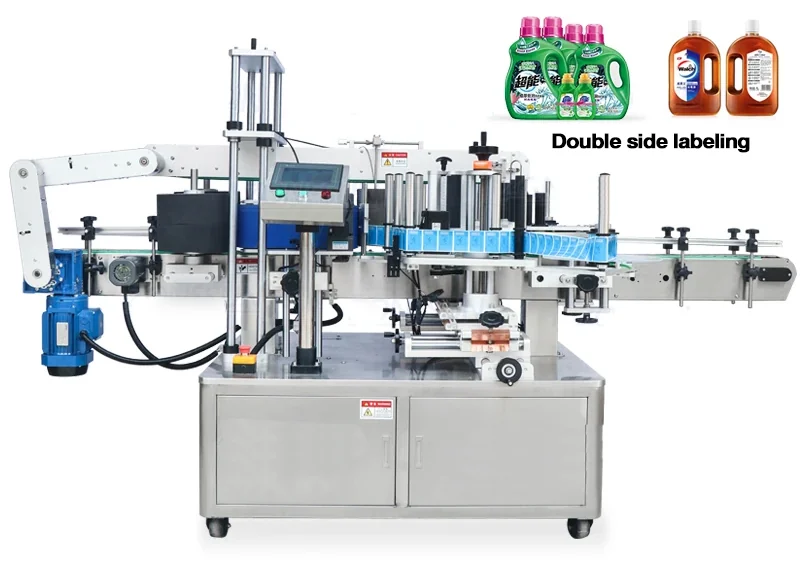
Twin-side and double-sided labellers for front and rear label application.
View range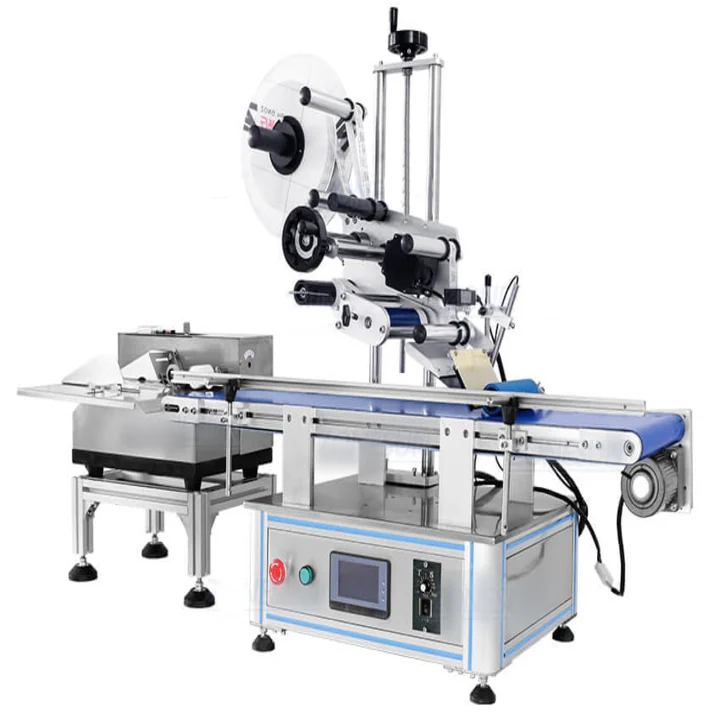
Labellers for pouches, bags, cartons, boxes, cards and flat products.
View range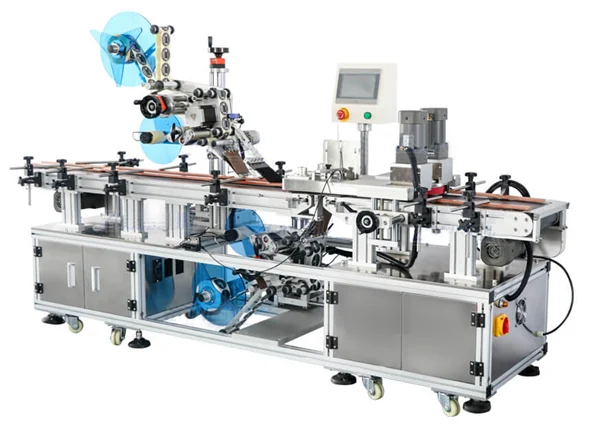
Top and underside label application using split conveyor and product control.
View range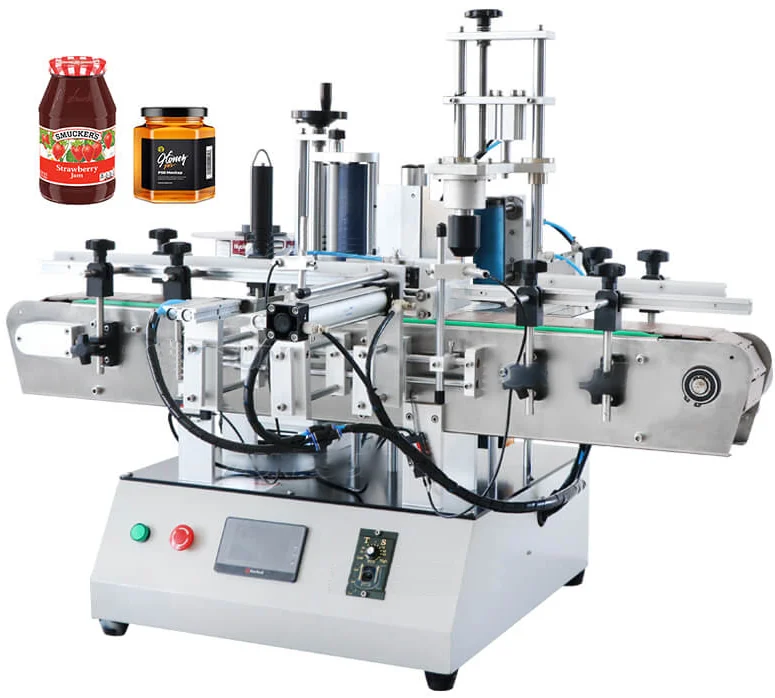
Labelling systems for square, rectangular, hexagonal and shaped containers.
View range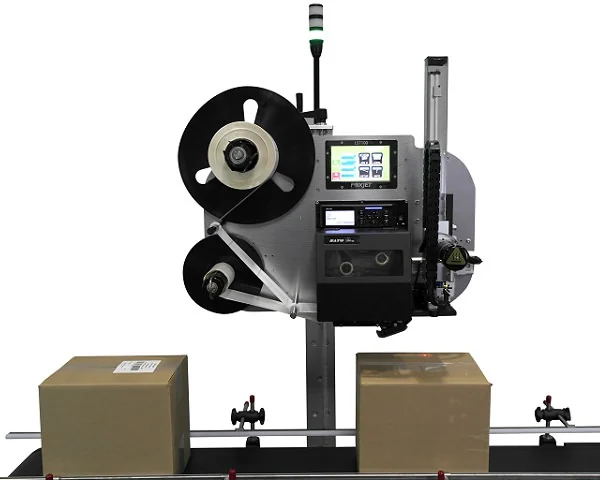
Real-time barcode, logistics, case, carton and pallet label systems.
View range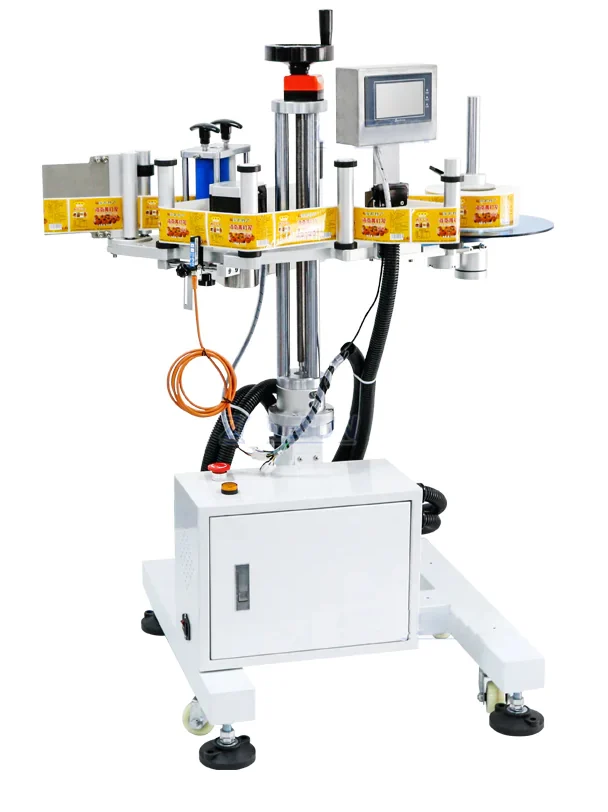
Label heads, stands and applicators for fitting to conveyors or existing lines.
View rangeProject-specific labelling machinery for hazardous-area requirements.
View rangeA good labelling machine is not selected from the machine image alone. Bottle shape, label roll size, leading-edge position, product stability, speed target and operator access all affect the final specification.
These are typical starting points. The final configuration is matched to sample containers, label roll details and production target.
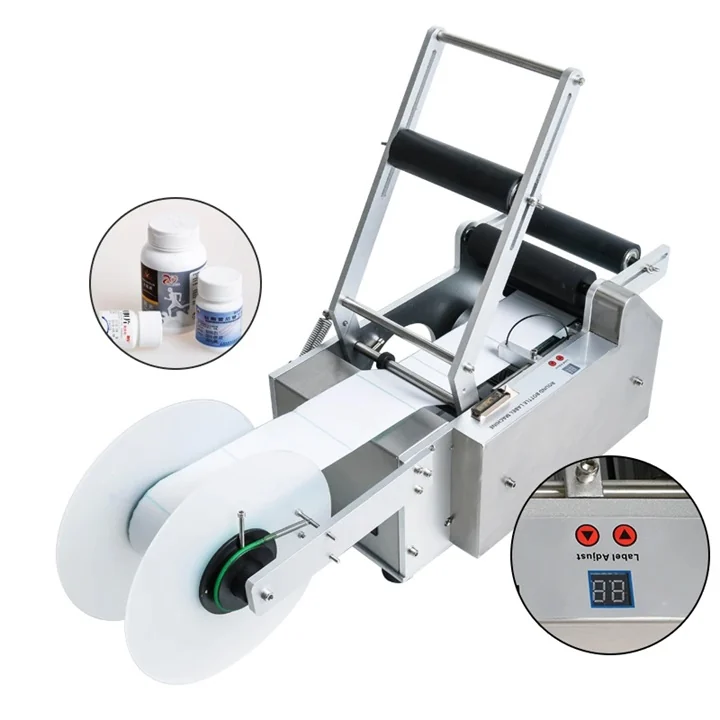
Bench-top wrap-around label applicator for round bottles, jars and small batches.
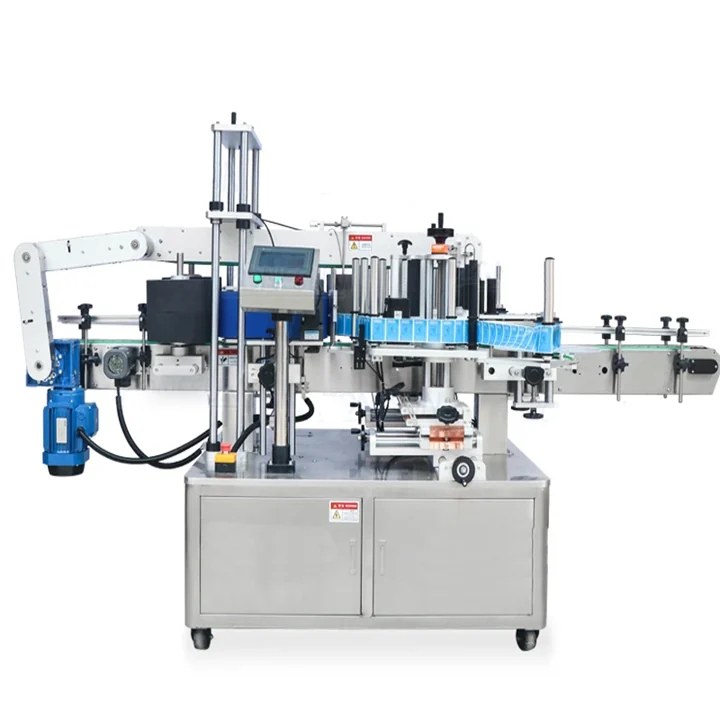
Front and back labelling for flat, oval, square and selected round containers.
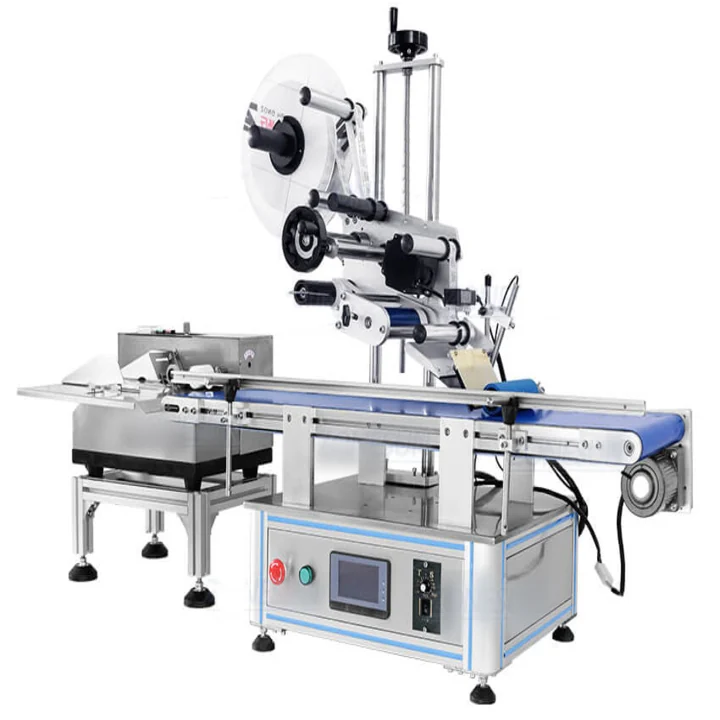
Flat surface labelling for pouches, bags, cartons, cards and flat products.
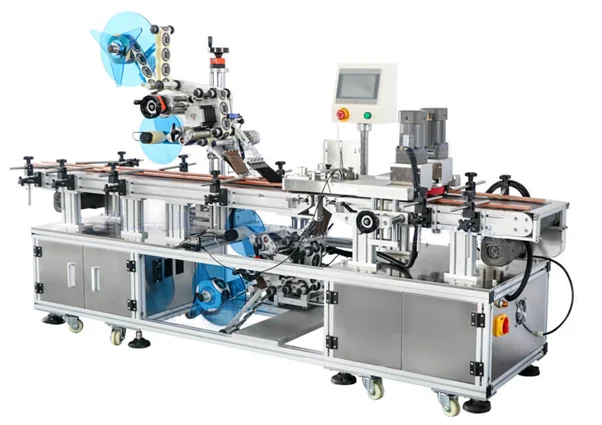
Apply labels to the top and underside of products in one controlled pass.
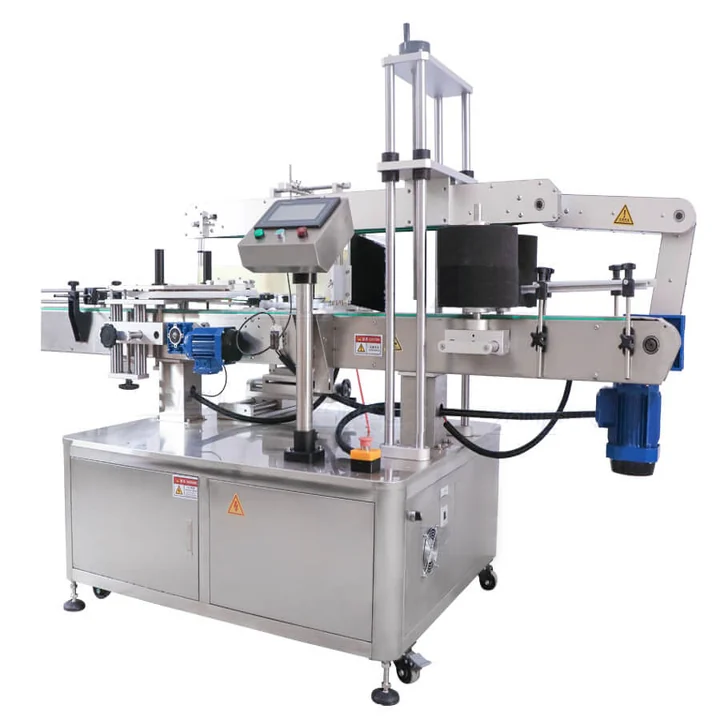
Multi-side labelling for square, rectangular and shaped packs.
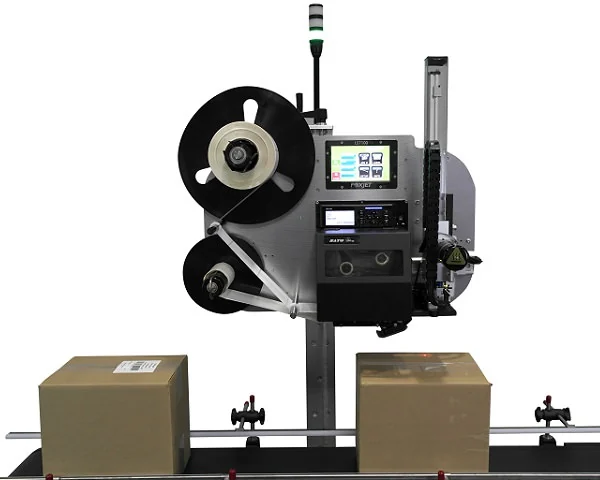
Print variable information and apply labels to products, cartons or cases.
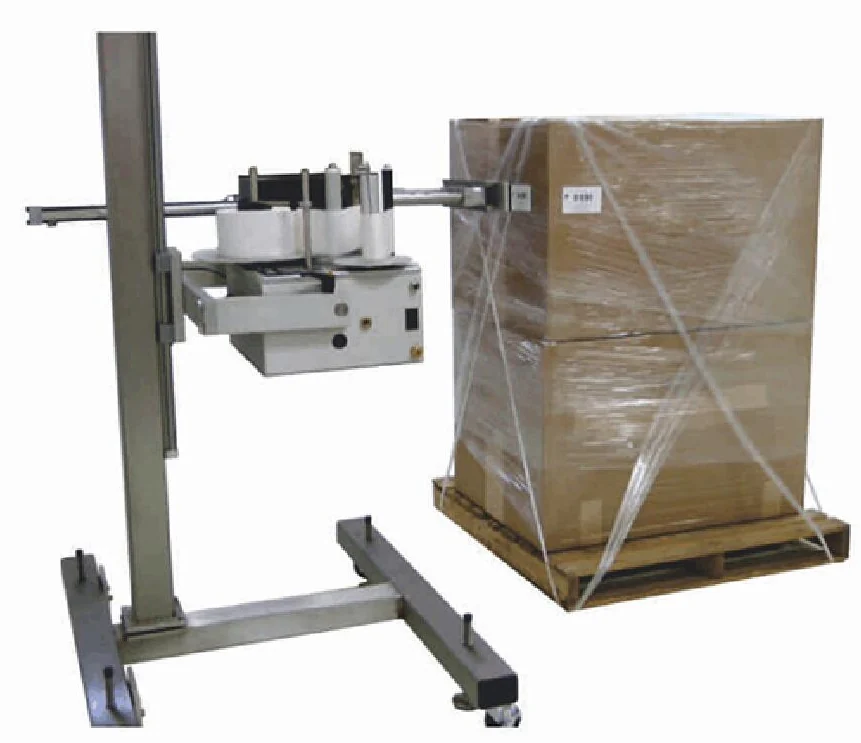
Print and apply pallet labels to one, two or multiple sides of palletised loads.
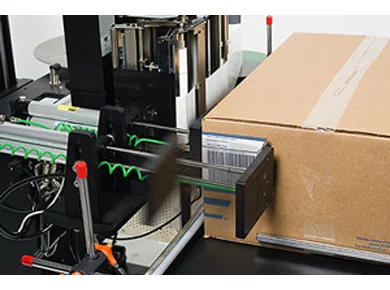
Weigh, print and apply labels for food packs and variable-weight products.
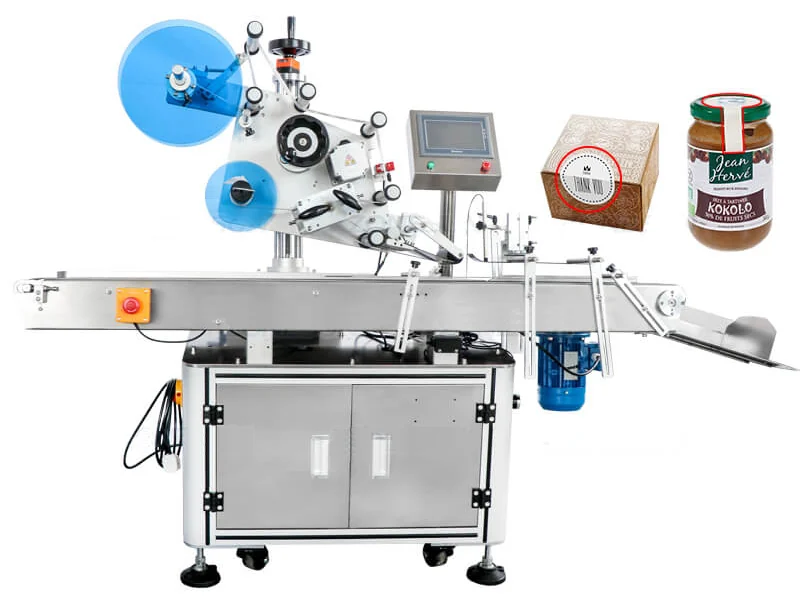
Tamper-evident label application for caps, lids, cartons and closures.
Connect labelling with filling, capping, coding, inspection, conveyors and end-of-line handling. Lancing UK can help plan the handover between each machine so the finished line runs reliably rather than as separate machines fighting each other.
Send bottle or product photos, dimensions, label roll size, label position, speed target and whether the machine needs to connect to existing conveyors.
Often yes, but the changeover range must be checked. Large differences in diameter, height, label position or product stability may require tooling or a different machine type.
Yes. Print and apply machines can print variable data, barcodes and logistics labels before applying the label to products, cartons, cases or pallets.
Lancing UK supports specification, installation, commissioning, aftercare and spares for packaging machinery projects.
Use these focused guides to compare the correct labelling route before buying machinery.
Compare wrap-around, front and back and shaped-bottle labelling routes.
GuidePlan conveyor-fed labelling for integrated production lines.
GuideOptions for small batches, start-ups and flexible contract packing.
GuideUnderstand what affects pricing before comparing quotations.
Compare bottle labelling machines, flat surface labellers, label applicators, pallet labelling systems and print and apply machinery against your product and label requirements.
Specify the product type, container shape, label position, throughput, line integration and aftercare you need. Lancing UK can use sample products, label rolls and production targets to narrow the choice between semi-automatic labelling, compact automatic labelling, inline labelling and print and apply systems.
Focused pages for buyers searching by bottle shape, pack type, print-and-apply requirement or line support need.
Browse all application routes in one place.
Bottle labellingFor flat, oval, rectangular and shaped bottles needing two labels.
Bottle labellingFor round bottles, jars and cylindrical containers.
BoxesTop, side and bottom labelling routes for cartons and boxes.
Print & applyVariable labels for products, cartons, cases and pallets.
SupportSupport, spares and troubleshooting routes for existing labelling lines.
Send product photos, bottle dimensions, label sizes and target output. Lancing UK can help shortlist the right machine type before quotation.
These pages help buyers move quickly from a search term to the correct labelling machine type.
Round, flat, square and shaped bottle labelling routes.
AutomaticConveyor-fed labelling machines for continuous production.
Semi-automaticCompact labellers for batch production and start-up lines.
ApplicatorsStandalone and retrofit label applicators for conveyors and packs.
Print & applyVariable data labels for cartons, cases and pallets.
PalletsAutomatic pallet labelling for warehouse and logistics operations.
The correct labeller is determined by the pack geometry, label construction, required position and the way the product reaches the labelling station. Use this parent site to narrow the process route before comparing individual Lancing machines.
For round bottles, jars, cans and other cylindrical packs using a self-adhesive label. Product rotation and wrap control matter because the pack must stay stable while the label follows the circumference.
For flat, oval, rectangular and selected shaped containers requiring two separate labels. Orientation, side control and the relationship between both label heads determine presentation.
For boxes, cartons, pouches, cards, trays and other flat products. Feed consistency, product thickness and the surface exposed to the label head decide whether a single applicator or a split-conveyor system is appropriate.
For labels carrying variable information such as barcodes, batch data, addresses or logistics identifiers. The print engine, data source, applicator method and product trigger must be specified as one system.
For square, hexagonal, multi-panel or irregular packs. The project normally needs positive orientation and controlled label presentation rather than the free rotation used for a round bottle.
For shrink sleeves, full-body decoration or tamper-evident neck bands, the sleeve, container and shrink tunnel form a separate process. Use the specialist sleeve route rather than treating it as a pressure-sensitive label application.
A useful enquiry describes the real pack and production process. Photographs are helpful, but dimensions, label-roll information and the intended acceptance check are what allow the correct handling and sensor route to be assessed.
Send the smallest and largest product dimensions, material, filled weight, shape, stability and the surface that will receive the label. Include any taper, recess, seam, handle, cap or flexible wall that could affect guides, belts or wipe-down pressure.
Provide label width and length, gap, liner width, core size, outside roll diameter, unwind direction, label material, adhesive and whether the label is opaque, metallic or transparent. A production label roll is preferable to artwork alone.
State normal operating output, batch size, changeover frequency, conveyor height and direction, available footprint and the surrounding filler, capper, coder, inspection or packing equipment. Describe the normal rate rather than only a theoretical peak.
Define the reference edge, required label position and acceptable visual result using real samples. A practical trial should check the smallest and largest formats, normal production labels, repeatability after a changeover and the pack condition at the intended line rate. For wrap-around labels, review skew and the meeting seam; for front and back labels, review the relationship between both labels; for print and apply, confirm print readability and the applied position as separate checks.
Compare the main labelling machinery types here. For specialist applications, continue to the dedicated Lancing range.
Specialist selection for round, flat, oval and shaped bottles.
Round packsAutomatic, compact and semi-automatic routes for cylindrical containers.
Two labelsTwin-side systems for opposite faces of flat, oval and shaped packs.
Variable dataProduct, case, carton and pallet routes for labels printed on demand.
Shrink sleevesShrink sleeves, neck bands, tamper bands and tunnel integration.
Complete portfolioConnect labelling with filling, capping, coding, conveying and wider packaging lines.
A reliable project also defines product flow, controls, safe access, acceptance evidence and the information retained after handover. These four resources address the decisions that usually sit between machine selection and dependable production.
Define start, stop, fault, data and product-flow ownership before integration.
SafetyPlan access, safeguards, isolation and site-specific assessment.
HandoverProtect manuals, drawings, settings, backups, training and acceptance evidence.
UptimePrevent stale labels, uncertain products and repeat faults after a stop.
CompareCompare equipment scope, application proof, operator burden and recoverability.
SolutionsUse evidence to isolate product, label, sensing, data and handling causes.
Send representative products and production-quality label rolls, a marked label-position drawing, normal output and SKU mix, a line layout, utility and control information, and the acceptance checks that matter to your operation. Lancing can then distinguish the core labeller from the product handling, coding, inspection, guarding and integration required for the complete application.
Send the product, label, line and acceptance information so Lancing can shortlist the correct labelling route and identify any sample trial required.
These answers deal with the decisions that sit behind a machine name: the pack condition, label construction, handling method and evidence needed to prove the result.
A labelling application is straightforward when the product arrives stable, presents a repeatable surface and uses a label that can be sensed and wiped down consistently. Difficulty increases with taper, flexible walls, handles, seams, recesses, condensation, transparent materials, unstable spacing or large changes between formats.
The machine therefore has to be selected around the combined behaviour of the product, label and line. A sample trial is more useful than judging difficulty from a photograph alone.
The machine and label specification should be developed together. Label size, pitch, liner width, core, unwind direction, material and gap affect how the web is sensed and presented, while the machine determines practical roll limits and the label position on the pack.
Before committing to a production print run, confirm the roll specification with the intended labelling route and retain a representative roll for testing.
Trial products should represent the condition seen in production. Filling can change weight, rigidity, centre of gravity, surface temperature and the way a flexible bottle or pouch behaves under guides and wipe-down pressure.
Where the product itself cannot be supplied, agree a safe representative fill and document the difference. Empty samples alone can hide handling problems that appear only when the pack is full.
A label head dispenses a pressure-sensitive label from its backing and presents it to the product. A complete labelling machine also controls product transport, spacing, orientation, stabilisation, guarding, sensing, controls and the final wipe-down or wrap action.
A standalone head can suit a stable product on a suitable existing conveyor. A complete system is usually needed when the pack must be positively handled before the label can be placed repeatably.
Acceptance should be based on agreed products, production labels, operating conditions and observable pass criteria. The test should cover the smallest and largest formats, normal changeovers, label placement, label condition, coding or verification where fitted, controlled stops and restart behaviour.
A written test matrix is stronger than a general visual approval because it records what was run, what was checked and what remains site-dependent.
The useful starting set is product photographs and dimensions, filled condition, label position, label and liner details, roll winding, target output, changeover range, existing conveyor information and any coding, inspection or reject requirement.
Use the labelling-machine questions hub to identify the missing detail, then send the completed information through the existing enquiry route.
Send the product, label and line details to Lancing so the answer can be checked against the real pack rather than treated as a generic machine assumption.
Machine selection is only one part of a reliable project. Product flow, barcode verification, pack geometry, adhesion and maintenance determine whether the labelled result remains repeatable after commissioning.
Plan spacing, stabilisation, accumulation, inspection and controlled restart.
VerificationSeparate data, print, application, reading, verification and reject evidence.
Pack geometryMatch label shape, material and orientation to the real surface.
AdhesionTest temperature, moisture, contamination, curvature and dwell.
UptimeProtect repeatability with safe checks, records and planned recovery parts.
SelectionTurn product, label and line information into a testable specification.
Send representative products in production condition, production-quality label rolls, the required label position, normal line rate, changeover range, surrounding-machine details and the acceptance checks that matter. This evidence lets Lancing distinguish a label-head requirement from the product handling, data, inspection, guarding and support needed for the complete application.
These guides address commercially important questions that sit before machine selection: which self-adhesive route is required, whether a dispenser is sufficient and what qualification evidence a regulated site expects.
Compare wrap-around, front/back, flat-product, shaped-container and print-and-apply routes around the real pack and label roll.
Automation choiceDecide whether peel-and-present, semi-automatic or fully automatic application is the appropriate level of control.
Regulated projectsDefine URS traceability, FAT/SAT evidence, qualification boundaries and electronic-record requirements before quotation.
Start with the pack geometry, label artwork and the surfaces to label. Define placement tolerances and any print-and-apply or coding requirement. Compare trials using production labels and packs, including roll changes, format changes and the way products are spaced and oriented before the application point.
Related guidance:
A labelling project can range from applying a preprinted bottle label to printing variable information on a case or pallet. Start by identifying the physical object, the labelled face and whether information changes during production. These three details help separate a pressure-sensitive applicator enquiry from a print-and-apply or wider line-integration project.
Provide an example of the approved result for each packaging level involved. Keep the bottle, pouch, carton, case and pallet requirements separate, even where they belong to the same product. A successful application on one packaging level does not establish the handling, print data or inspection requirements of the next.
For preprinted labels, include the production roll details and the way packs arrive at the application point. For variable labels, also identify the data source, who authorises the job and how the finished information is checked. Ask the quotation to state which software or control connections are included and which remain the responsibility of your existing systems supplier.
Yes, but describe them as separate requirements with named sample references and priorities. Ask for a clear route and equipment boundary for each, including any shared line or data interfaces that need coordination.