Compact Flat Surface Labelling Machine
Home/Products/Flat Surface & Top Labelling Machines/Compact Flat Surface Labelling Machine

Compact Flat Surface Labelling Machine

Flat surface labelling for pouches, bags, cartons, cards and flat products.

Paging and top labelling range

Application overview

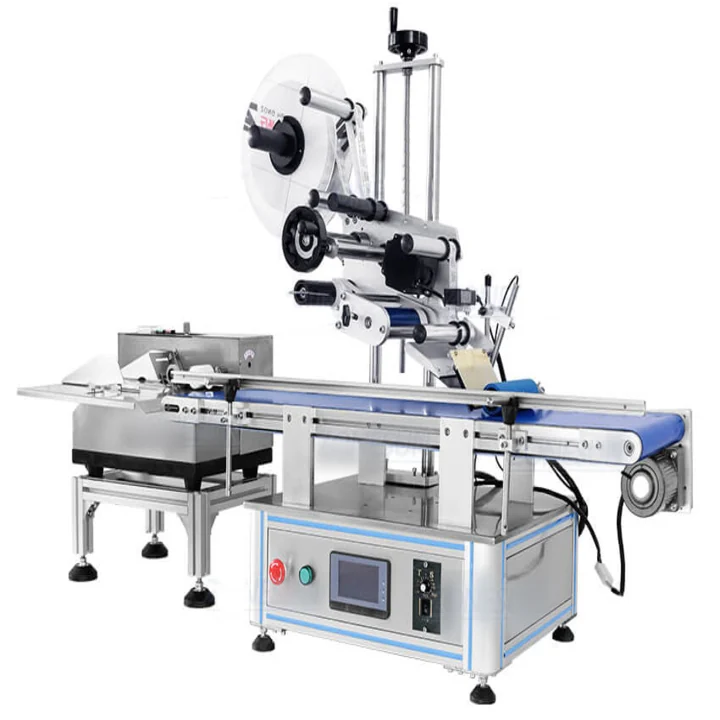
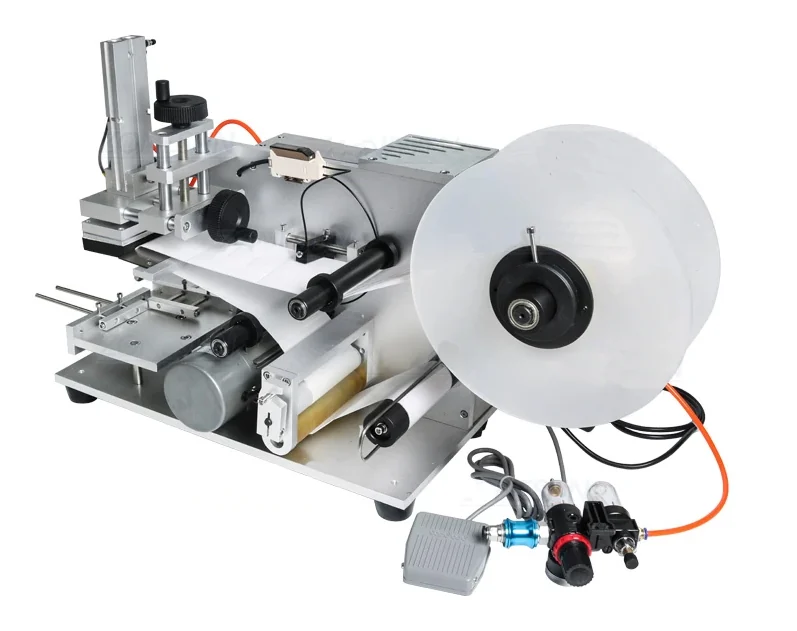
A compact labelling machine for products that present a flat label area. It can be used with product feeders, paging systems or conveyors depending on the pack format.

  • Top labelling of flat products
  • Useful for pouches, cards, cartons, leaflets and bags
  • Optional friction feeder or paging conveyor
  • Can be used for address labels, product labels and batch labels
Compact Flat Surface Labelling Machine
Specification

Typical specification starting points

Final specification depends on real samples, label material and the production environment.

Typical useFlat product labelling
Automation levelCompact automatic
Container typePouches, bags, cartons and cards
HandlingConveyor / feeder dependent

Specification points for this labelling range

Compact Flat Surface Labelling Machine should be selected around product handling, label roll data, required label position and the real production speed needed after changeover. A good specification should also confirm operator access, cleaning, guarding, conveyors, coding and spare parts before the machine is ordered.

  • Confirm product dimensions, material, weight and stability.
  • Check label roll core, outside diameter, label gap and unwind direction.
  • Agree acceptable placement tolerance and repeatability.
  • Plan integration with filling, capping, coding, inspection or end-of-line handling where required.

Enquire about the Compact Flat Surface Labelling Machine

Send your sample details, label roll specification and required output. Lancing UK can advise whether this configuration is suitable or whether another labelling route would be better.

Engineering detail

Match a compact flat-surface labeller to the way products are separated and supported

A compact automatic flat-surface labeller can apply pressure-sensitive labels to pouches, bags, cartons, cards and other flat products, but the success of the application depends on how each item reaches the label head. Flexible or lightweight packs may overlap, curl or move under wipe-down pressure, while rigid products may still need side guides and a repeatable leading edge.

How the application process works

Products are presented singly to a conveyor or feeder, detected at a defined reference and carried beneath or beside the label head. The label is dispensed from the liner and brought into contact with the supported surface. The feeder, conveyor, guide and wipe-down arrangement should be treated as part of the labelling system because inconsistent presentation cannot be corrected by label timing alone.

When another technology is more suitable

Use a benchtop unit for operator-loaded low-volume work, a top-and-bottom system when both faces need labels, a side applicator for upright packs, or print and apply when the label information changes at the point of application.

Project evidence to send

  • Representative smallest and largest products in production condition
  • Normal label rolls with roll and unwind details
  • Marked examples showing the required label position
  • Normal output, batch pattern and changeover range
  • Line layout, conveyor interfaces, coding and inspection requirements
Specification and test

Inputs that determine handling, sensing and acceptance

Unknown values should be confirmed from the real product and label rather than replaced with catalogue assumptions.

Product presentationLength, width, thickness, stiffness, surface, curl, filled condition and whether the product is hand-loaded, conveyor-fed or requires an automatic feeder.
Label rollLabel dimensions, gap, liner width, core, outside roll diameter, unwind direction, material, adhesive and whether coding is applied before or after the label is dispensed.
PositionLeading edge and side datum, acceptable label area, permitted skew and any printed artwork, seal, window or recess that the label must avoid.
Production methodBatch size, normal output, changeover range, feeder replenishment, conveyor interfaces, downstream collection, guarding and operator access.
Sample trial

Use production-condition evidence

Run products in the same condition as production, including filled flexible pouches where relevant. Check singulation, leading-edge repeatability, label contact and whether wipe-down pressure moves or distorts the pack. Review first-off samples after a changeover and run enough products to expose double feeding, overlap or drift. Coding should be checked at the same time only if it forms part of the supplied setup.

Changeover and upkeep

Protect repeatability after setup

Clean the peel edge, product sensor, conveyor and wipe-down components. Inspect feeder surfaces and guides for wear or contamination that changes product presentation. Record head height, side position, trigger point and feeder settings for each format. Correct the product path before compensating with label timing.

Quotation brief

Describe the complete line role

Include upstream and downstream equipment, conveyor direction and height, normal stops, operator access, utilities and any control signals. State which items are essential and which are future options.

Buyer questions

Questions to resolve before ordering

What products suit a flat-surface labeller?

Pouches, bags, cartons, boxes, cards, lids and other products with a label area that can be presented flat and supported during application are typical starting points.

Does the machine need a feeder?

A feeder may be needed where products must be separated automatically. The decision depends on pack stiffness, thickness, surface, tendency to overlap and the required production method.

How is label position measured on a flat product?

Define a leading edge and side datum on the product, then state the allowed label area and skew. Marked samples or artwork help where seals, windows or printed panels must be avoided.

Can flexible pouches be labelled?

Flexible pouches may be suitable, but they should be tested in their production condition because curl, trapped air, fill level and wipe-down pressure can affect presentation.

Can a coder be added?

Coding can be considered, but the print position, available space, dwell time, label material and relationship to the label application should be checked for the selected setup.

When is a benchtop labeller more suitable?

A benchtop or semi-automatic route may be better for small batches, frequent manual changeovers or products that are easier to locate in a fixture than feed automatically.

Ask Lancing UK to review this application

Send product samples or dimensions, the label-roll specification, marked placement examples, normal output and the surrounding line details.

Acceptance planning

Define how each flat product is presented to the compact labeller

A compact format can reduce footprint, but it still needs repeatable product position, sensor triggering and label wipe. State whether the operator, feeder or existing conveyor creates the datum and how the finished item leaves the application zone.

Test conditionWhat to prove
Manual presentationOperator datum and safe cycle start
Conveyor presentationSpacing, leading edge and product sensor
Flexible pouch/cardSupport beneath the label area
Two labels or formatsRoll identity, recipe and changeover record
First-off checkEdge reference, adhesion and wrinkles

Prepare a representative machine trial

Send the minimum, maximum and most difficult products with production-quality label rolls and the intended placement reference.

Application proof

Check feed consistency before increasing automatic output

Flat labels depend on a repeatable product edge, height and gap. Pouches, cartons, cards and lids can move differently under belts or guides, so the trial should include the lightest, thinnest and least rigid formats and the final label material.

Contact us