Two label rolls
Provide both front and rear label specifications, including label dimensions, roll direction and whether the two labels have different lengths or reference points.
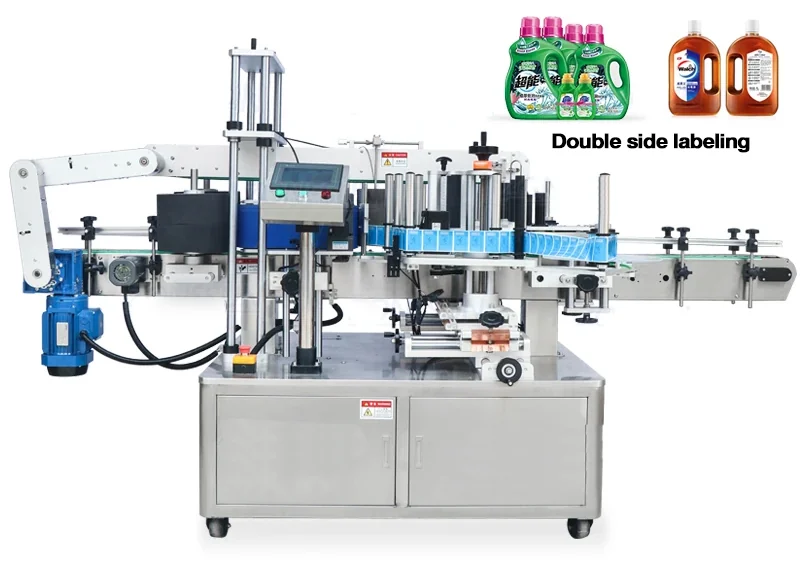
Front and back labelling machines normally use two label heads so separate labels can be applied to opposite faces in one pass. Product orientation, spacing and guide rail control are critical for consistent label position.
Use these machines as a shortlist starting point, then send sample details for a project-specific quotation.
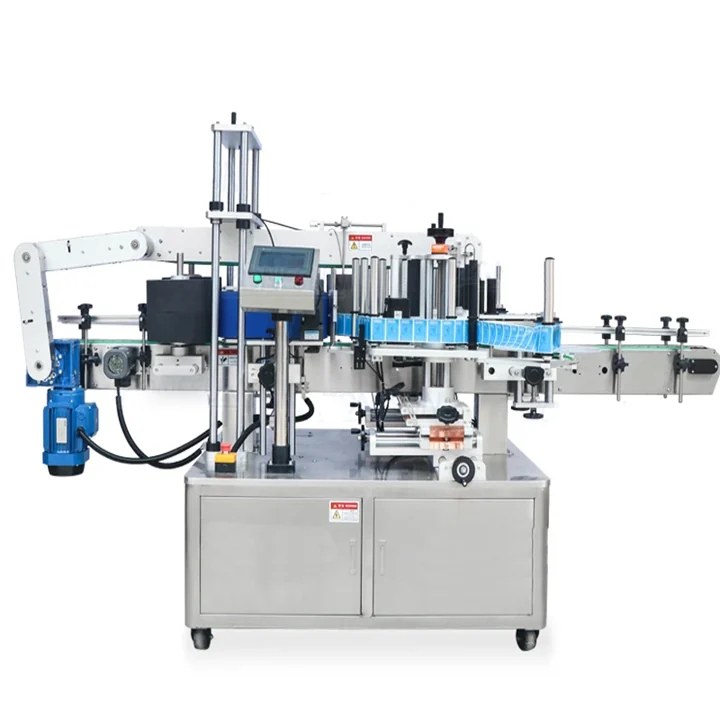
Front and back labelling for flat, oval, square and selected round containers.
Compact twin-side labelling for lower-output front and back applications.
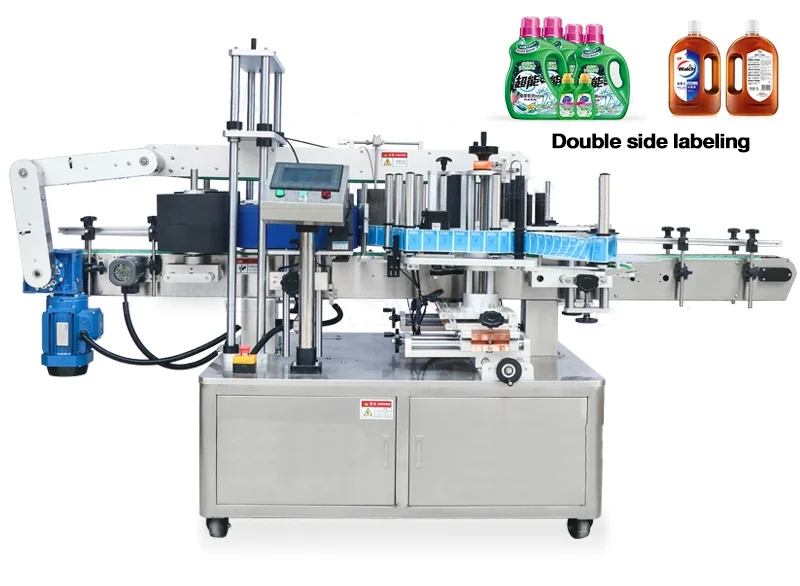
Production-ready front and back labeller for bottles, jars and containers.
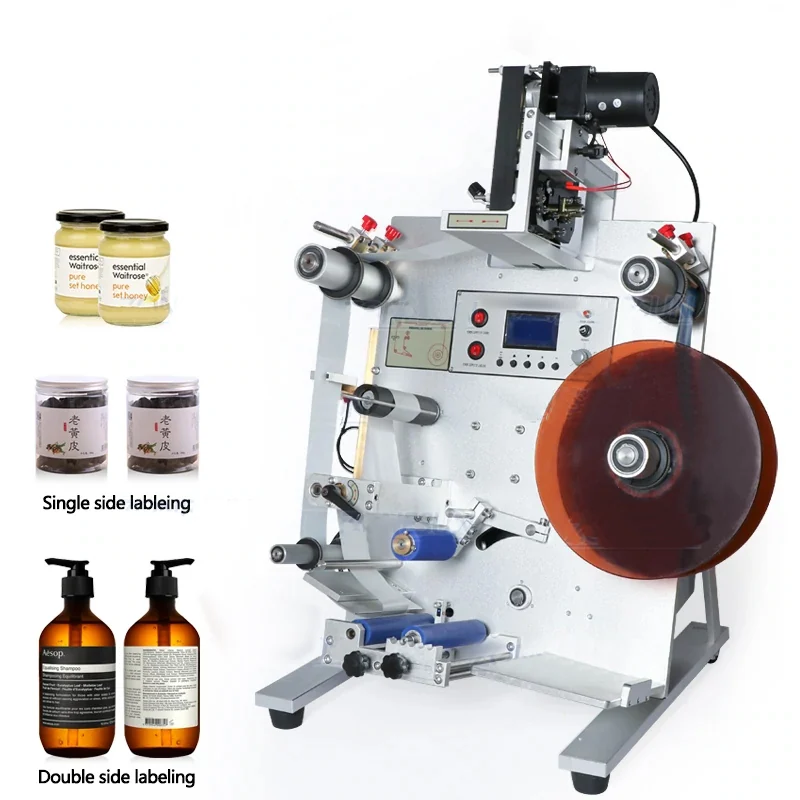
Semi-automatic two-side labelling for square and flat bottles.
Front & Back Labelling Machines should be selected around product handling, label roll data, required label position and the real production speed needed after changeover. A good specification should also confirm operator access, cleaning, guarding, conveyors, coding and spare parts before the machine is ordered.
Send your container, label and production details and Lancing UK can advise which machine range is the best fit.
Front and back labelling depends on a repeatable product face. Side belts, guides and spacing must hold the container without distorting it, while both label heads are timed to the same moving pack. Oval, rectangular and square containers should be reviewed for their natural conveyor orientation and any variation in moulding or fill weight.
Provide both front and rear label specifications, including label dimensions, roll direction and whether the two labels have different lengths or reference points.
Identify the face that must lead into the machine, any handle or closure feature used as a reference, and whether the pack can turn between upstream equipment and the labeller.
Transparent labels can require a suitable sensor and a test with the real liner and label stock. The test should check both heads independently.
Agree how front-to-back alignment will be judged. Measure each label from a physical pack feature and also review the visual relationship when the product is viewed on shelf.
A wrap-around machine is normally the simpler route for one continuous label on a round container. A single side applicator may be sufficient when only one face is labelled, while a shaped-container system may be needed where the pack must index through several panels.
Include product dimensions, production label rolls, normal output, changeover range, line layout and the required label position. Lancing UK can then check whether this range is the correct commercial route.
Twin-side systems need a repeatable product position between two label heads. The reference may come from container faces, side guides, a top hold or an orientation feature; it must remain stable across the full format range.
Identify which face leads and how the pack is prevented from yawing or rotating before the label heads.
Record front and back dimensions, roll arrangement, vertical relationship and whether independent adjustment is required.
Pressure should apply each label smoothly without deforming the pack or disturbing the opposite side.
Agree whether the test judges each label independently and the relationship between them.
Send the product, label and line information so the most suitable labelling route can be checked before quotation.