Existing conveyor
Confirm conveyor width, speed control, product pitch and the available straight length before, between and after the two heads.
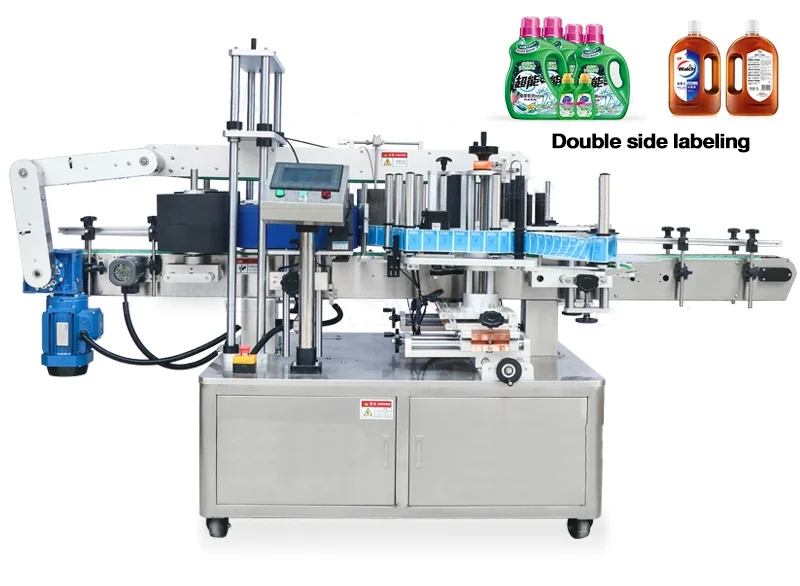
Production-ready front and back labeller for bottles, jars and containers.
An inline machine for applying separate front and rear labels with controlled product presentation. It is a strong option where label alignment and shelf appearance matter.
Final specification depends on real samples, label material and the production environment.
| Typical use | Front and back labelling |
|---|---|
| Automation level | Automatic |
| Container type | Flat, oval and shaped packs |
| Output | Project dependent |
Compare similar options before selecting the final machine type.
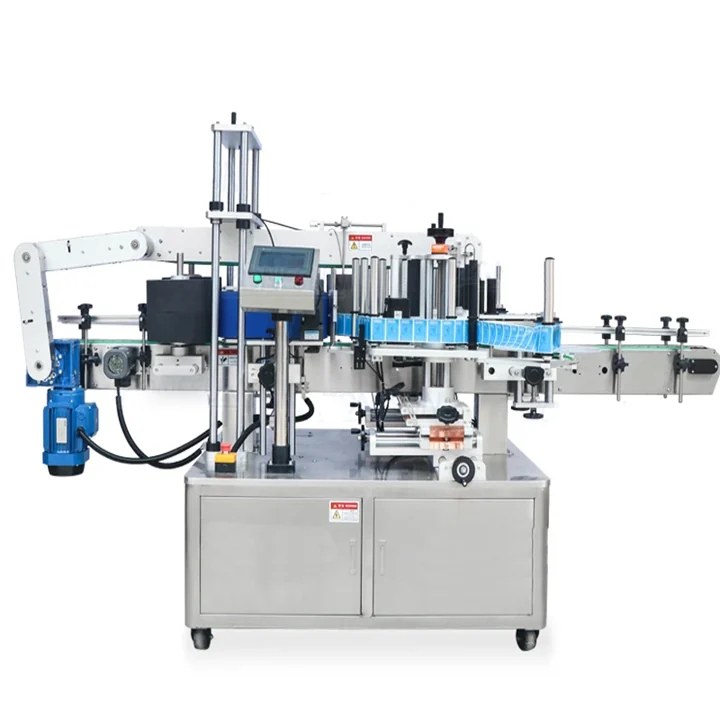
Front and back labelling for flat, oval, square and selected round containers.
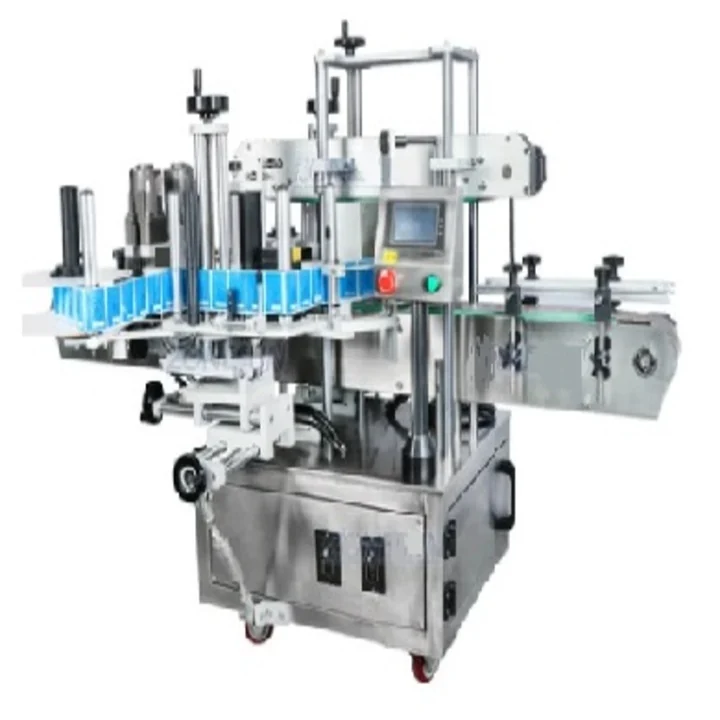
Compact twin-side labelling for lower-output front and back applications.
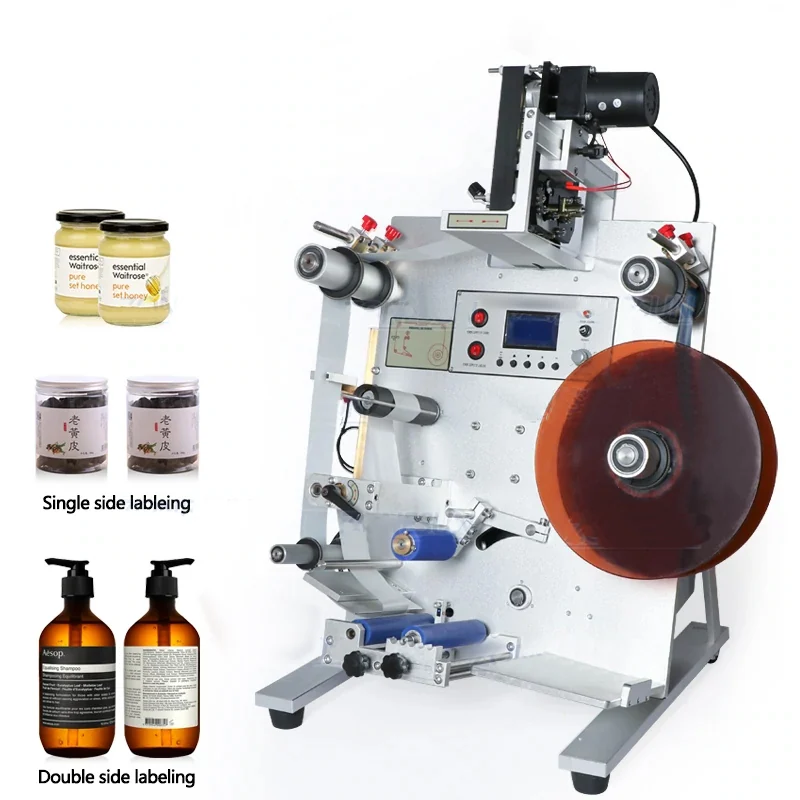
Semi-automatic two-side labelling for square and flat bottles.
Front & Back Labeller Label Applicator should be selected around product handling, label roll data, required label position and the real production speed needed after changeover. A good specification should also confirm operator access, cleaning, guarding, conveyors, coding and spare parts before the machine is ordered.
Send your sample details, label roll specification and required output. Lancing UK can advise whether this configuration is suitable or whether another labelling route would be better.
A pair of applicator heads does not by itself orient or stabilise a shaped pack. Confirm whether the existing conveyor can create reliable spacing and maintain a side datum through both heads. If not, the project may need side belts, top control, orientation or a complete front-and-back machine rather than heads alone.
Confirm conveyor width, speed control, product pitch and the available straight length before, between and after the two heads.
Identify whether side belts, top control or positive orientation are needed to hold a stable datum without covering either label panel.
Define trigger positions, head sides, wipe direction, stop response and the interface with any coder or inspection device.
Use the line-layout guide to prepare the trial and enquiry information.
Send conveyor details, product samples and both label specifications so Lancing can separate the applicator-head scope from the handling upgrades required.