Operator loading
Use a clear pack datum and repeatable loading method so the operator does not compensate by eye for every container.
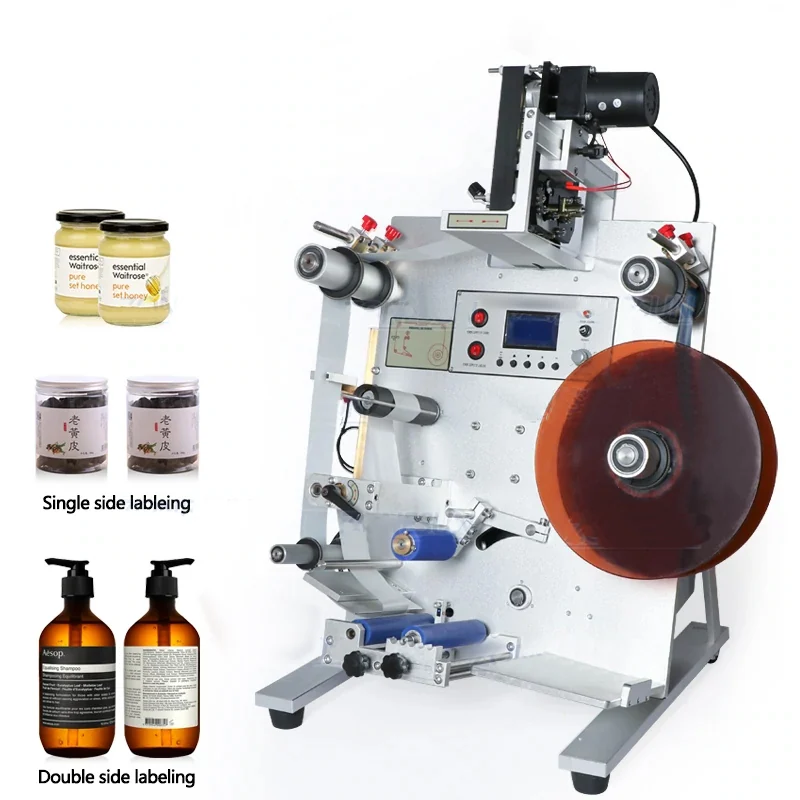
Semi-automatic two-side labelling for square and flat bottles.
A semi-automatic two-side labelling machine for customers moving away from hand labelling but not ready for a fully automatic conveyorised system.
Final specification depends on real samples, label material and the production environment.
| Typical use | Two-side semi-automatic labelling |
|---|---|
| Automation level | Semi-automatic |
| Container type | Flat or square bottles |
| Best for | Low-to-medium volume production |
Compare similar options before selecting the final machine type.
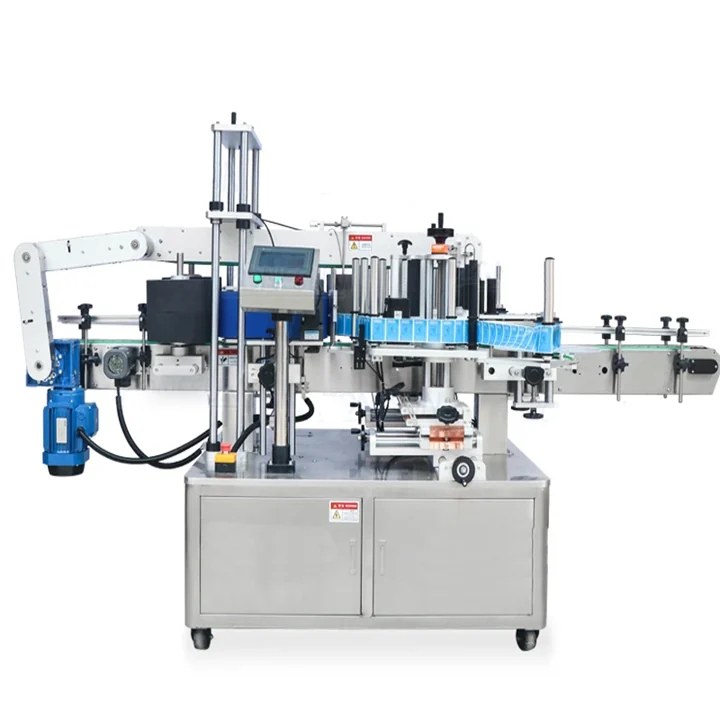
Front and back labelling for flat, oval, square and selected round containers.
Compact twin-side labelling for lower-output front and back applications.
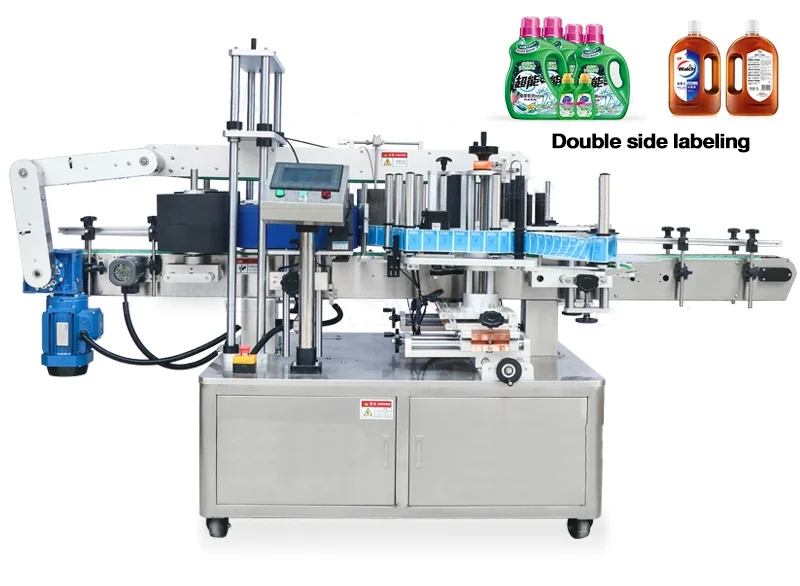
Production-ready front and back labeller for bottles, jars and containers.
SL130 Semi-Auto Two-Side Labelling Machine should be selected around product handling, label roll data, required label position and the real production speed needed after changeover. A good specification should also confirm operator access, cleaning, guarding, conveyors, coding and spare parts before the machine is ordered.
Send your sample details, label roll specification and required output. Lancing UK can advise whether this configuration is suitable or whether another labelling route would be better.
The useful trial checks operator loading, product orientation, label-pair spacing and the visual relationship between the two labels. Supply the final front and back labels, including any different dimensions or gaps, and mark the intended datum on the pack. Avoid treating the model name as confirmation of suitability without representative samples.
Use a clear pack datum and repeatable loading method so the operator does not compensate by eye for every container.
Supply both final labels and identify any difference in size, gap, material, artwork direction or required spacing.
Agree whether top edges, centre lines or artwork features must align when the finished pack is viewed from the front or above.
Use the front-and-back guide to prepare the trial and enquiry information.
Send filled products, both production rolls and a marked finished example so operator loading and label-to-label alignment can be tested together.