Orientation method
Show the pack feature used to keep front and back panels square to both label heads throughout the conveyor section.
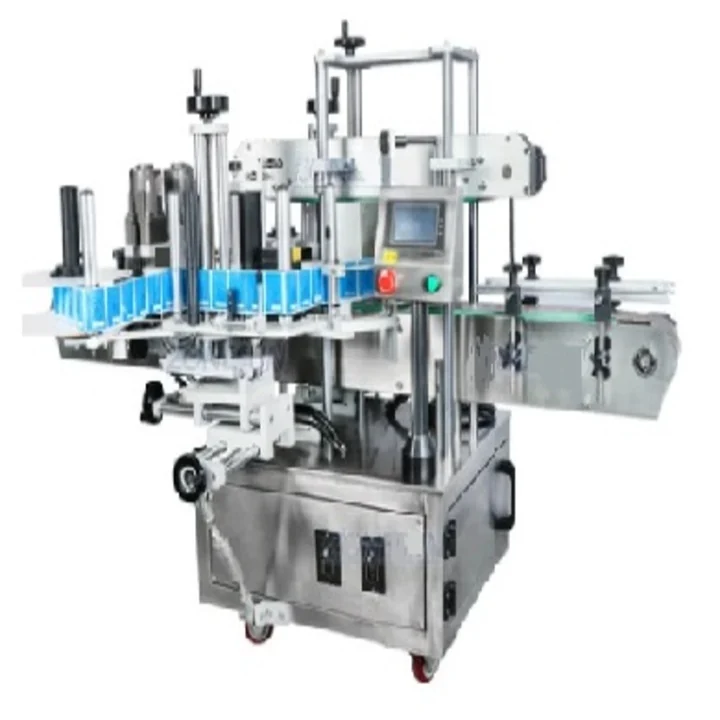
Compact twin-side labelling for lower-output front and back applications.
A smaller front and back labelling solution for businesses that need accurate two-sided label application but have limited line space or moderate throughput requirements.
Final specification depends on real samples, label material and the production environment.
| Typical use | Compact front and back labelling |
|---|---|
| Automation level | Compact automatic |
| Container type | Flat and oval containers |
| Footprint | Reduced line space |
Compare similar options before selecting the final machine type.
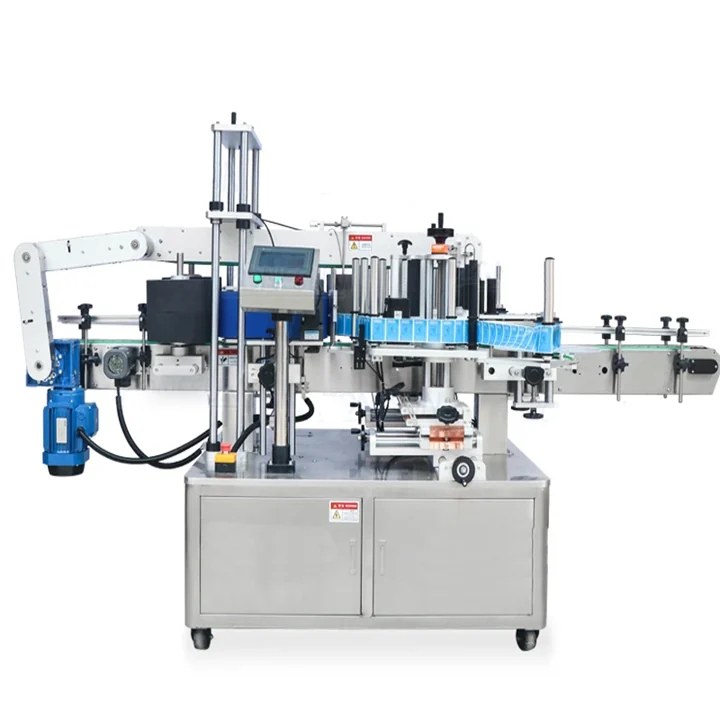
Front and back labelling for flat, oval, square and selected round containers.
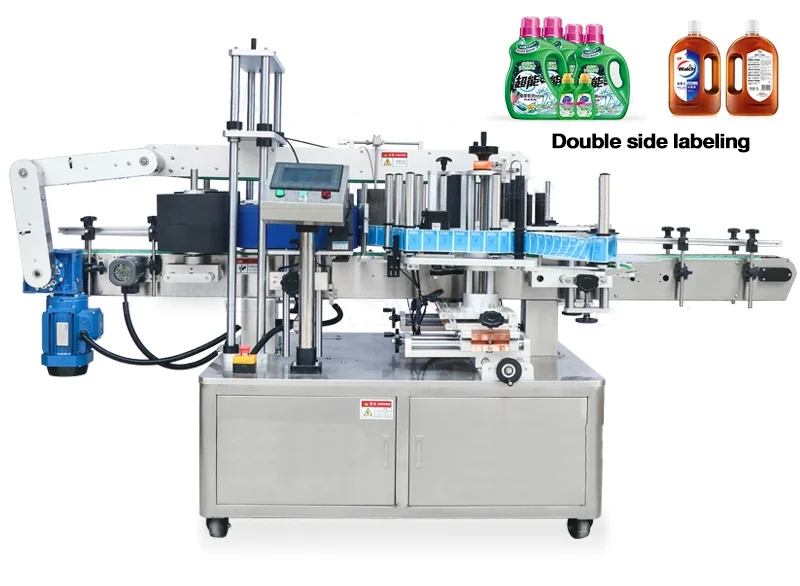
Production-ready front and back labeller for bottles, jars and containers.
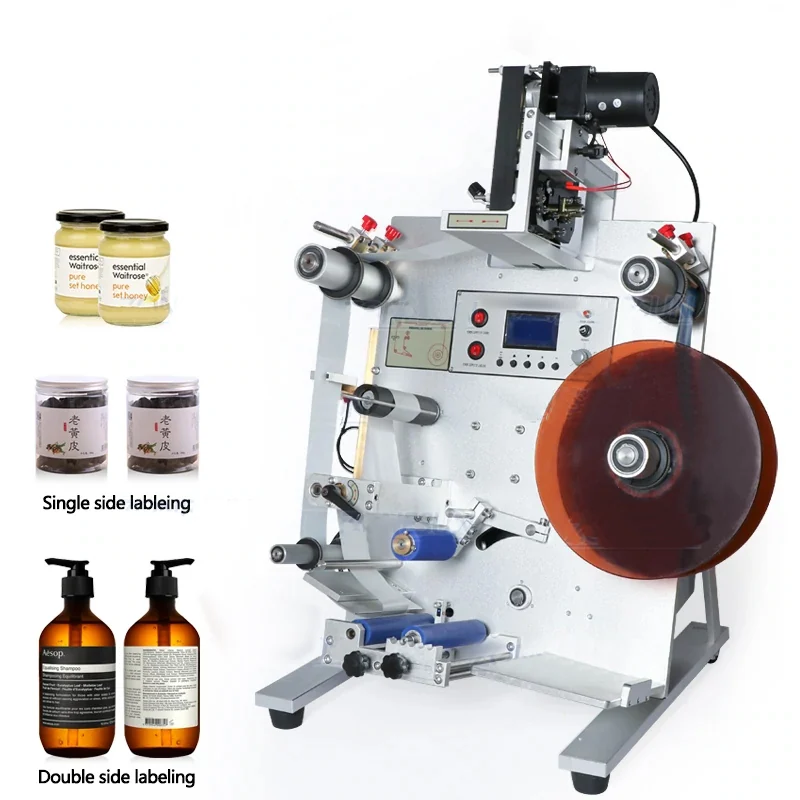
Semi-automatic two-side labelling for square and flat bottles.
Compact Twin Side Labeller should be selected around product handling, label roll data, required label position and the real production speed needed after changeover. A good specification should also confirm operator access, cleaning, guarding, conveyors, coding and spare parts before the machine is ordered.
Send your sample details, label roll specification and required output. Lancing UK can advise whether this configuration is suitable or whether another labelling route would be better.
A compact twin-side labeller is suitable when products can be spaced and controlled through two independent label heads. Provide separate front and back roll data, mark the required relationship between both labels and identify the pack feature used for orientation. Check changeover access if several container widths and label heights are planned.
Show the pack feature used to keep front and back panels square to both label heads throughout the conveyor section.
Provide separate dimensions, gaps, unwind directions and artwork-leading edges for the front and back label rolls.
List container widths, heights and label positions so guides, sensors and both heads can be adjusted without obstructing each other.
Use the front-and-back guide to prepare the trial and enquiry information.
Send both label rolls, the full format range and a marked product datum so front-to-back relationship and changeover can be assessed together.