Pre-order review
Confirm the pack range, label construction, output, footprint, conveyor interface, utilities, guarding boundary and any coding or inspection requirement.
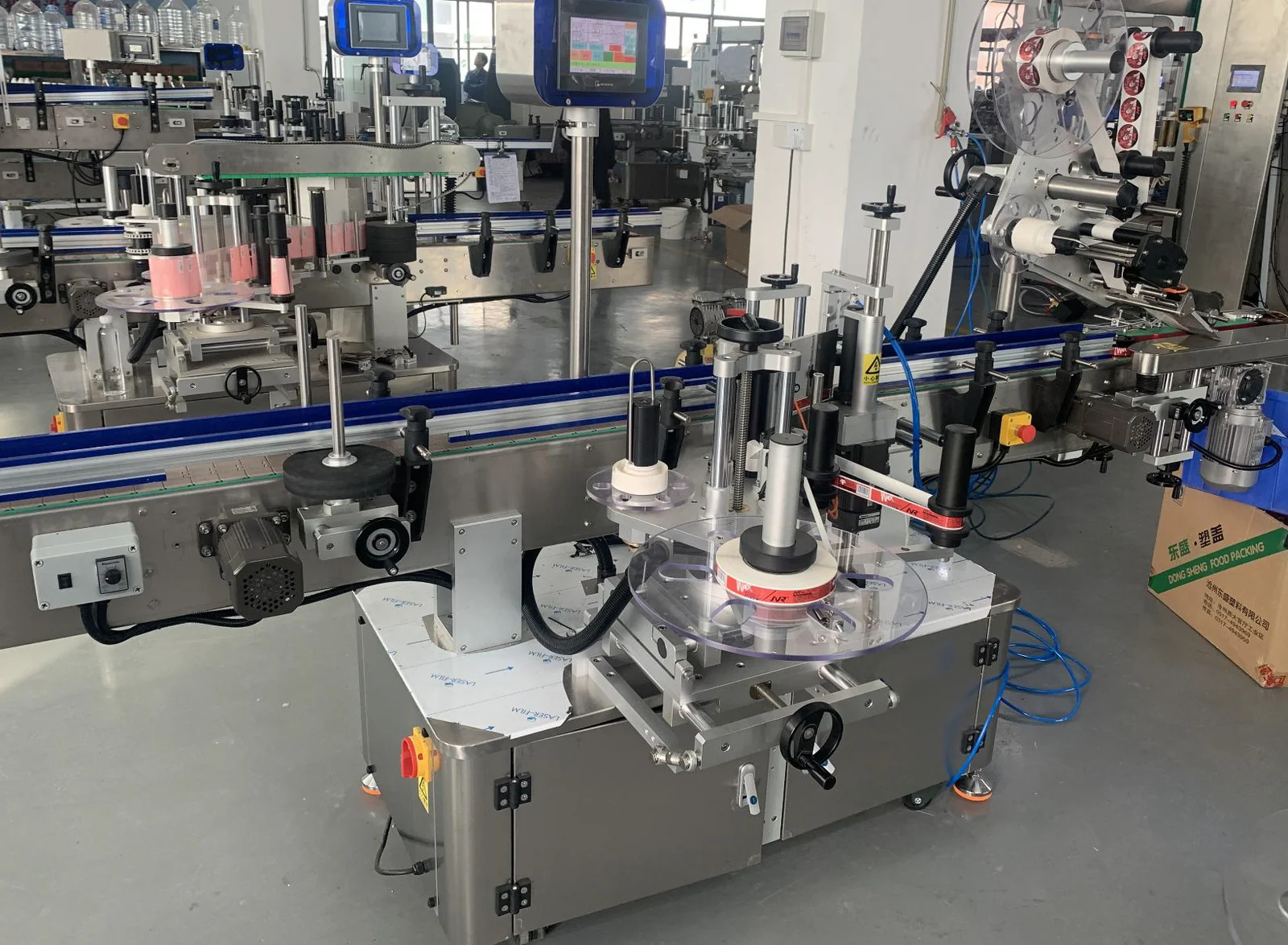
Specification, installation planning, commissioning support and aftercare for labelling machinery projects.
Select the correct labelling route from container shape, label position, output and changeover requirements.
Plan conveyors, coding, inspection, guarding and handover points between fillers, cappers and labellers.
Support installation planning, setup, acceptance checks and operator handover.
Keep critical parts and support routes in place for long-term reliability.
Use product photos, samples and label data to identify potential issues before quotation.
Support clear project briefs, layouts and acceptance criteria for new labelling machinery.
Send the pack details and the production goal. Lancing UK can help turn that into a clearer machine shortlist.
Installation and aftercare are easier when the project records who supplies utilities, conveyors, product samples, label rolls, line signals, operator training and acceptance materials. These responsibilities should be clear before manufacture or site work begins.
Confirm the pack range, label construction, output, footprint, conveyor interface, utilities, guarding boundary and any coding or inspection requirement.
Use current production samples and representative label rolls. Record the accepted version so later changes in container moulding, liner, adhesive or artwork can be separated from machine faults.
Agree formats, batch quantity, placement references, changeover checks and what evidence will be retained. A prepared demonstration on one format is not the same as testing the agreed operating range.
Check access, floor space, conveyor levels, power, air where required, network or data connections, safe isolation and the availability of product and labels for commissioning.
Training should cover threading, recipes or settings, changeover, cleaning, routine inspection, safe intervention and when to stop and escalate a fault.
Identify wear parts and critical spares from the actual configuration. Record approved sensors, belts, rollers, print components and settings before substitutions are made.
Send the machine reference, serial or project information available, photographs of the complete setup, a short video showing the fault, the affected product and label roll, recent changes, alarm text and whether the issue occurs on every format. Do not bypass guarding or safety circuits to obtain diagnostic footage.
Installation and training are more effective when the project already defines utilities, interfaces, acceptance records and document ownership. Service scope should follow the criticality and complexity of the actual line.
Close site survey, access, utilities, sample availability and interface actions.
Record accepted formats, alarms, changeover methods and site-dependent tests.
Retain manuals, drawings, settings, software backups, training and open-action closure.
Use fault records, preventive inspection and critical spares to reduce avoidable downtime.
Send the product, label and line information so the most suitable labelling route can be checked before quotation.
Useful support starts with evidence from the machine and the product. These answers explain what helps Lancing separate a label, product, handling, controls or maintenance issue.
Record the machine state, product and label format, recipe, alarm text, when the fault began, whether it follows a changeover and whether it affects every product or only some. Photographs of the applied label, a short video and the label-roll batch can help isolate the cause.
Do not defeat guarding or reach into moving equipment to gather evidence. Use the machine safely and follow the site procedure.
Remote diagnosis can be useful when the machine powers correctly and the issue can be described through alarms, settings, photographs, video or control information. It can help confirm whether a site visit, spare part, label review or operator check is the next sensible action.
Mechanical damage, unresolved safety issues and faults requiring physical measurement still need competent on-site assessment.
Critical spares are the items whose failure would stop production and that cannot be obtained inside the acceptable downtime. The list depends on the installed machine, duty, environment and local maintenance capability rather than on a generic pack.
Build the list from the actual bill of materials, failure consequences and supplier lead information supplied with the machine.
Provide safe access, the affected products and labels, recent fault evidence, manuals, software or recipe backups where available, and an operator who can describe normal running. Confirm isolation arrangements and any production window before the engineer arrives.
A prepared visit leaves more time for diagnosis, correction, testing and operator handover.
A retrofit may be appropriate when the conveyor, frame and product handling remain mechanically sound but the label head, sensor, coder, controls or inspection function no longer meets the requirement. Replacement is more likely when the core handling concept is wrong for the pack or the structure cannot support the required change.
The decision should compare technical risk, downtime, documentation and future format needs, not only the immediate component cost.
Send the product, label and line details to Lancing so the answer can be checked against the real pack rather than treated as a generic machine assumption.
Support is easier when the machine record identifies approved settings, wear items, critical spares, backups and the boundary between operator work, site maintenance and supplier intervention.
Record the accepted products, labels, recipes and finished result so a later drift can be separated from a new material or format problem.
Prioritise unique components and wear parts by production consequence, recovery route and replacement lead time rather than purchase price alone.
Retain manuals, drawings, software backups, parameter files, service history and a controlled restart method after maintenance or a fault.
Manuals, drawings, component information, settings, training records, acceptance evidence and qualification protocols require different preparation. The useful starting point is a document list that identifies who supplies, executes, witnesses and approves each item.
For regulated projects, provide the URS, site templates, system boundary, electronic-record expectations and required IQ/OQ/PQ support before order. Lancing can then identify what is included in the standard handover and what needs project-specific engineering or documentation.