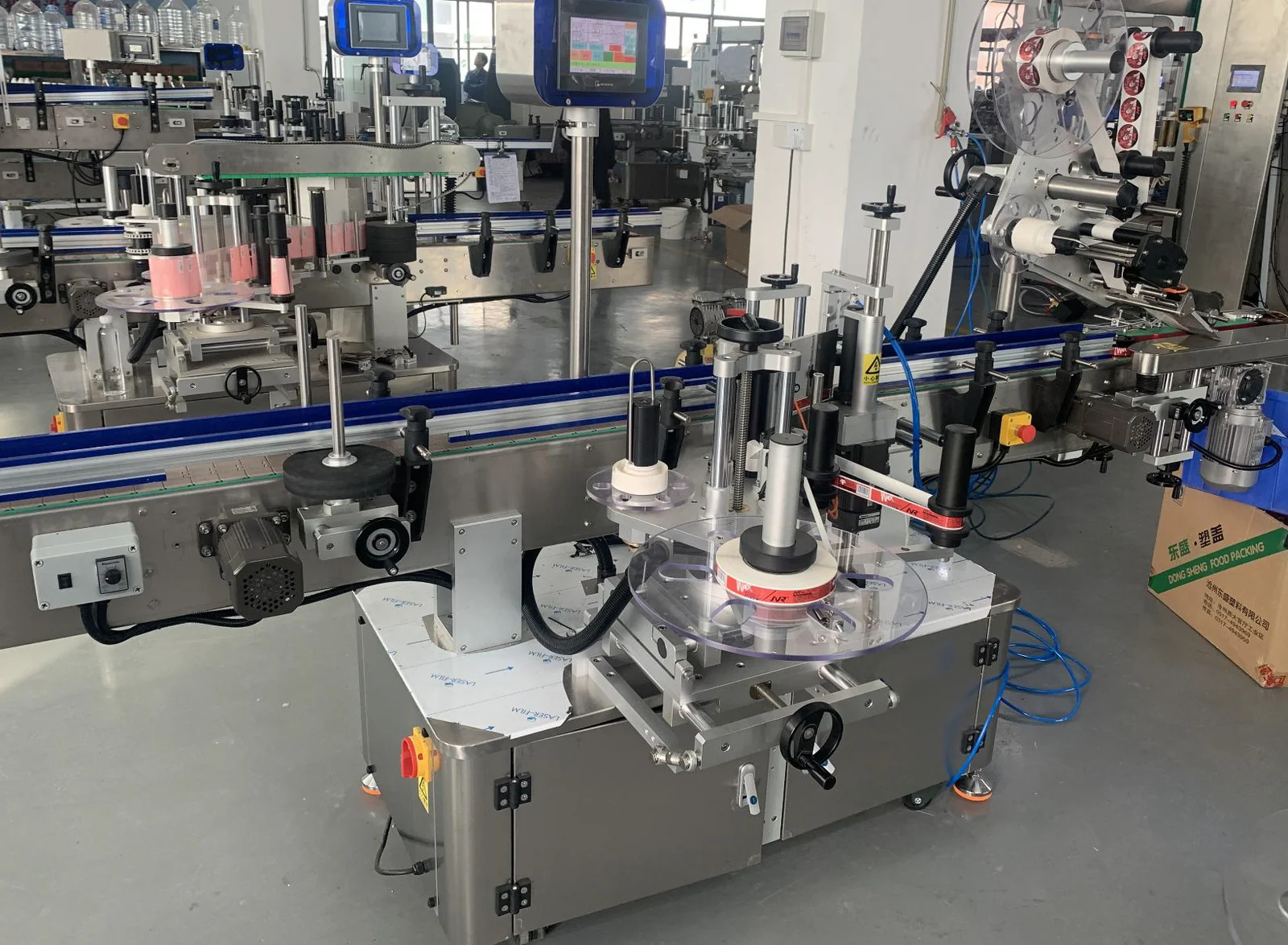
What utilities does a labelling machine need?
A labelling machine needs the utilities required by its actual configuration. Electrical power is common; compressed air is required only where pneumatic devices are fitted; print-and-apply or integrated lines may also need data connections, network services and defined control interfaces.
The short answer
Do not assume every labeller uses the same supply. Confirm the nameplate and project drawings for the selected machine, plus any coder, printer, conveyor, extraction, inspection or ancillary equipment. The site also needs safe isolation, suitable access and environmental conditions that allow the labels, sensors and product handling to work consistently.
Utilities to confirm before order
| Area | Questions to answer | Evidence to record |
|---|---|---|
| Electrical | Voltage, phases, frequency, connected load, isolator and plug or fixed connection | Approved electrical schedule and site supply point |
| Compressed air | Which devices use air, required quality, pressure and consumption | Pneumatic schedule and connection point |
| Network and data | Printer data, recipe data, barcode verification, remote support or line interface | Interface schedule, addresses and responsibility |
| Controls | Ready, run, blocked, fault, reject and safety boundary | Signal list and line sequence |
| Space and access | Footprint, doors, guarding, maintenance clearance and removal route | Scaled layout and site survey |
| Environment | Temperature, moisture, dust, washdown, hazardous-area or hygiene constraints | Site conditions and project-specific assessment |
How should electrical power be planned?
Use the confirmed electrical data for the complete supplied assembly rather than estimating from a similar machine. The schedule should include the labeller, conveyors, printers, inspection, reject devices and any separate control panels. Confirm the location and type of isolator, cable entry, protective devices and who provides the final connection.
Where a machine connects to an existing line, define whether supplies are independent or controlled from a common panel and how loss of one supply affects product tracking and restart.
Do labelling machines need compressed air?
Not all labelling machines need compressed air. Pneumatic tamp, blow, reject, clamping or actuation devices may require it, while some wipe-on or motor-driven systems may not. The decision depends on the actual applicator and handling design.
Where air is used, specify pressure, quality, connection, isolation and available flow under production demand. A static pressure reading with no other users operating does not prove the supply can support the machine cycle.
What data and control connections may be required?
A basic pre-printed label applicator may need only production signals. A print-and-apply system can require label data, printer communication, barcode verification and product tracking. An integrated line may exchange ready, blocked, fault and reject states with surrounding equipment.
Agree ownership of network hardware, software configuration, cyber-security approvals, remote-access method and test data before commissioning. Do not leave site network access as an assumption inside the machinery quotation.
What space and environmental information matters?
The layout needs to show the operating side, roll-change access, guarding doors, maintenance withdrawal, reject collection and the route used to bring the machine into position. Ceiling height, columns, drains, pipework and adjacent walkways can be as important as the nominal machine footprint.
Environmental conditions can affect labels, sensors, electronics and adhesion. Record temperature, condensation, dust, washdown, cleaning chemicals and any hazardous-area classification that the site has already established. Final suitability requires the actual project assessment.
Common buyer questions
Do all labelling machines need compressed air?
No. Air demand depends on the fitted devices. Ask for a confirmed pneumatic schedule for the proposed configuration rather than assuming that every label applicator is pneumatic.
Is a normal plug socket enough for a labelling machine?
It may be for some small equipment, but the required supply and connection must come from the actual machine electrical data. Integrated conveyors, printers and ancillary devices can change the requirement.
Does print-and-apply labelling need a network connection?
It depends on the data architecture. A locally selected format may not require the same connection as a system receiving live production or warehouse data. Define the source, protocol and availability requirement before build.
How much clearance is needed around a labeller?
Clearance should be based on the doors, label roll, access panels, removable components and safe maintenance tasks shown on the machine layout. A footprint alone does not show the working space needed by operators and engineers.
Utility and site-survey checklist
- Confirmed electrical schedule for the complete configuration.
- Compressed-air schedule only for devices that use it.
- Scaled layout with conveyor height, direction, access and maintenance zones.
- Line signal and data interface schedule.
- Network approvals, addresses and remote-support policy where relevant.
- Environmental, cleaning, hygiene and hazardous-area information.
- Delivery route, doorway, lifting and final-position constraints.
- Responsibility for connection, testing and site certification.
Continue the labelling-machine decision
Use the page that matches the next technical or buying question, then send the confirmed information with your enquiry.
Labelling-machine site survey
Verify access, layout, utilities and line interfaces.
ControlsLine controls and interlocks
Define operating signals and restart behaviour.
SupportLancing services
Plan installation, commissioning and support.
EnquirySend the site information
Use the existing contact route to discuss the project.
Ask Lancing to review the real product and label
Share photographs, dimensions, production-condition samples, label-roll details and the intended line arrangement so the guidance can be checked for the actual application.