Underside transfer
Provide the smallest footprint, flexibility and filled weight so support across the bottom-label gap can be assessed.
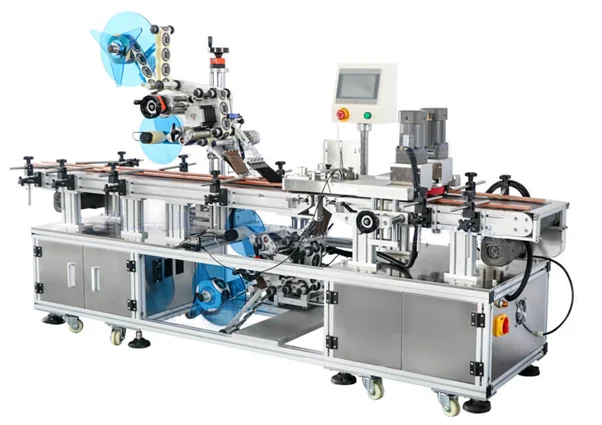
Apply labels to the top and underside of products in one controlled pass.
Top and bottom labelling machines are used where a product needs a label on the upper face and the underside. Split conveyor sections allow access to the bottom surface while maintaining product control.
Final specification depends on real samples, label material and the production environment.
| Typical use | Top and bottom labelling |
|---|---|
| Automation level | Automatic |
| Container type | Flat packs, trays and cartons |
| Handling | Split conveyor |
Compare similar options before selecting the final machine type.
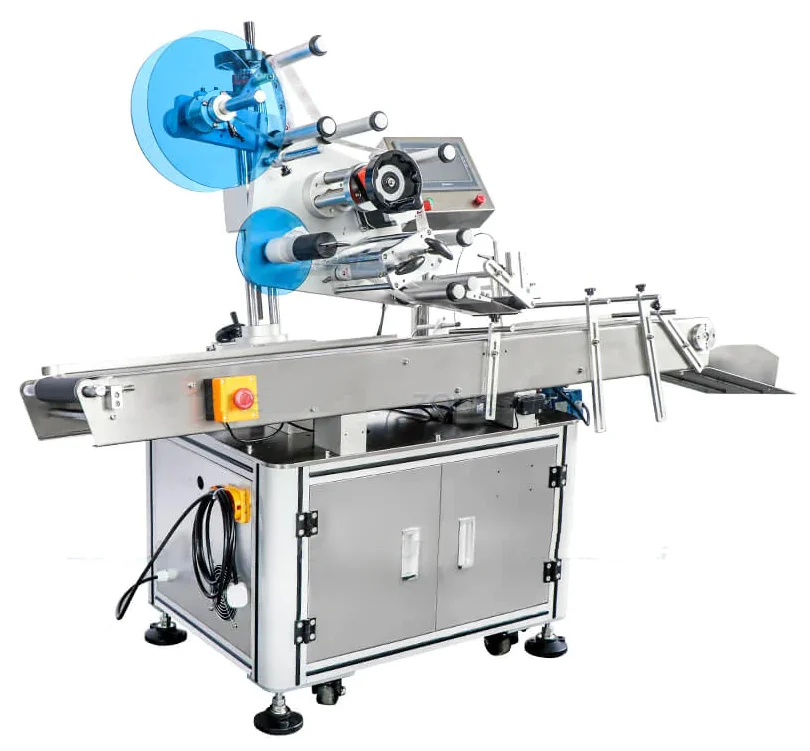
Automatic top and bottom label application for production conveyors.
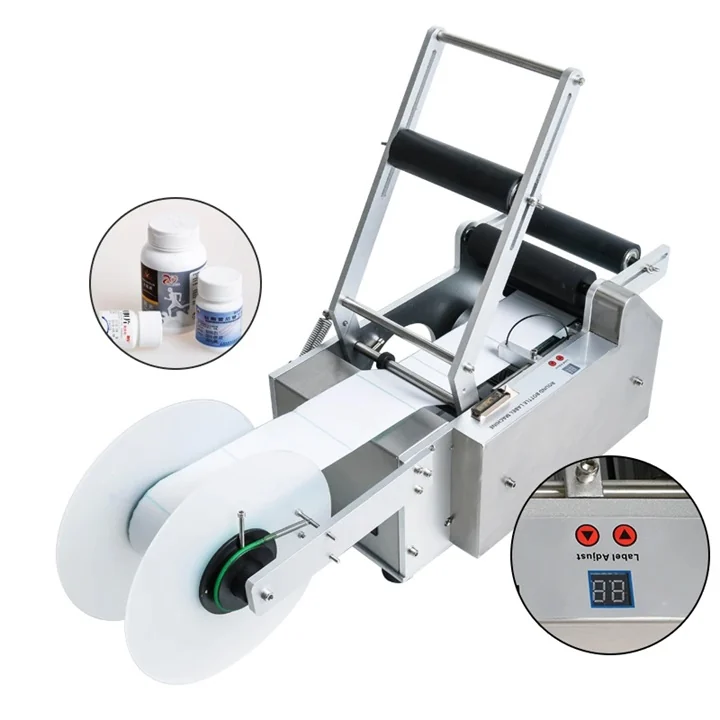
Bench-top wrap-around label applicator for round bottles, jars and small batches.
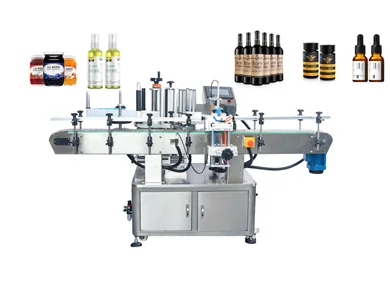
Space-saving automatic wrap-around labeller for round bottles on a conveyor.
Top & Bottom Labelling Machines should be selected around product handling, label roll data, required label position and the real production speed needed after changeover. A good specification should also confirm operator access, cleaning, guarding, conveyors, coding and spare parts before the machine is ordered.
Send your sample details, label roll specification and required output. Lancing UK can advise whether this configuration is suitable or whether another labelling route would be better.
Top-and-bottom labelling needs a controlled gap or split transfer so the underside applicator can reach the product without losing support. Provide the smallest product footprint, thickness, weight, flexibility and label positions. The trial should check transfers, top and bottom alignment, product tracking and restart after a stop.
Provide the smallest footprint, flexibility and filled weight so support across the bottom-label gap can be assessed.
Define how one product identity is maintained through both heads, any inspection points and the reject or hold position.
Supply top and bottom roll specifications separately and mark the required relationship between both labels on the pack.
Use the line-layout guide to prepare the trial and enquiry information.
Send the full product range, top and bottom labels and a marked finished example so transfer support and two-face alignment can be checked.