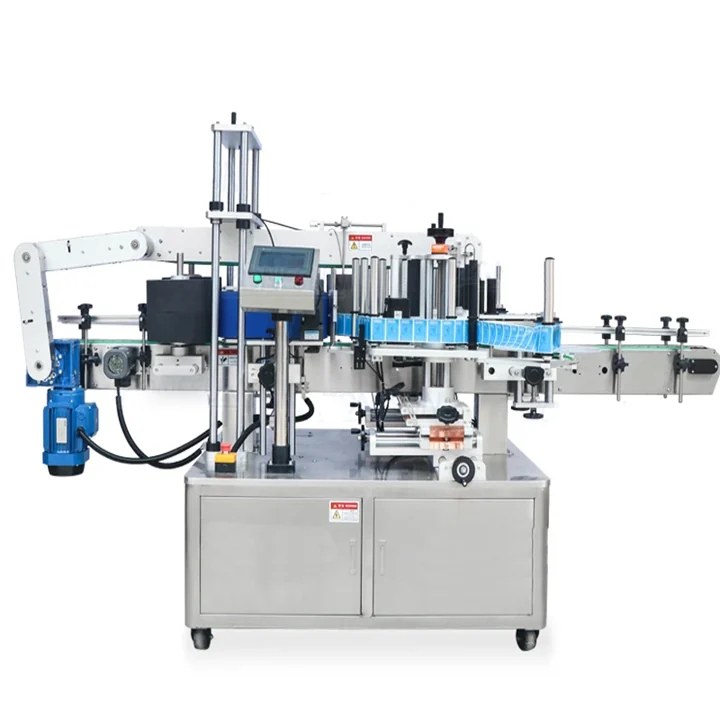
When automatic labelling is the right choice
Automatic labelling machinery is normally selected when products already move on a line, when manual loading limits output, or when consistent label placement is required across long runs. The conveyor, spacing method and product control are as important as the label head itself.
- Conveyor-fed production
- Higher repeatability than manual operation
- Integration with filling, capping, coding and inspection
- Options for guarding and reject systems
Line integration considerations
The label application point must receive products at a controlled speed and spacing. Unstable products, lightweight containers and glossy surfaces can require side belts, wrap belts, top hold-downs or product timing systems.
- Existing conveyor height and width
- Available space before and after labelling
- Product speed and spacing
- Electrical, air and safety interface requirements
Common questions
How fast can an automatic labelling machine run?
Speed depends on product stability, label length, label head specification and spacing. A practical quotation should be based on sample products and label rolls.
Can an automatic labeller connect to a filling line?
Yes. Inline labellers can sit after filling and capping, with conveyor handover and control interfaces planned during specification.
Do automatic labellers need compressed air?
Some machines do, particularly print and apply or tamp systems. Wrap-around and side labellers may be mostly electrical depending on configuration.
Related machinery and guides
Use these pages to move from research into the correct machine range.
Need a labelling machine recommendation?
Send product photos, container dimensions, label size, label roll details and target output. Lancing UK can advise the correct labeller type before quotation.