Pallet Labelling Machine

Pallet Labelling Machine

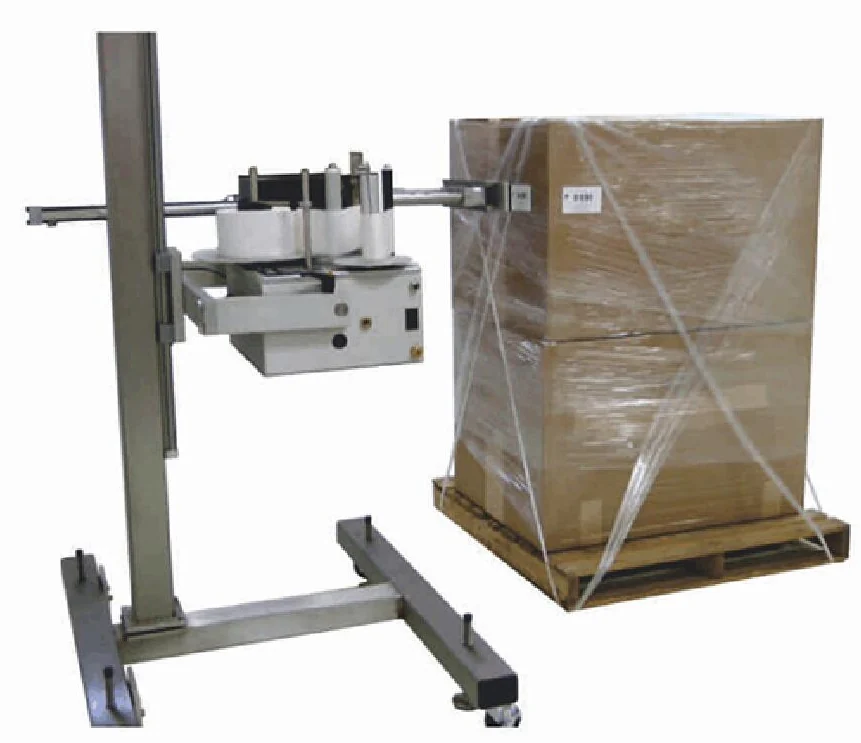
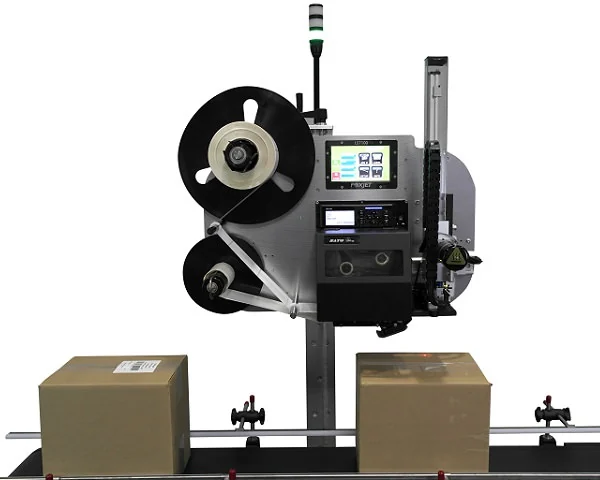
Print and apply pallet labels to one, two or multiple sides of palletised loads.

Pallet print/apply range

Application overview

Pallet labelling systems are designed for end-of-line logistics labelling where labels need to be applied to wrapped pallets, cases or shipping loads.

  • One, two or multi-side pallet labelling options
  • Supports warehouse and logistics label workflows
  • Can sit at the end of a production or fulfilment line
  • Guarding and access specified to the application
Pallet Labelling Machine
Specification

Typical specification starting points

Final specification depends on real samples, label material and the production environment.

Typical usePallet and shipping label application
Automation levelAutomatic / end-of-line
Pack typePallets and large cases
Line roleWarehouse or dispatch labelling
Machine video

See the labelling format in motion

This video asset is included in the site package so the page can show buyers the labelling action without relying on external embeds.

Specification points for this labelling range

Pallet Labelling Machine should be selected around product handling, label roll data, required label position and the real production speed needed after changeover. A good specification should also confirm operator access, cleaning, guarding, conveyors, coding and spare parts before the machine is ordered.

  • Confirm product dimensions, material, weight and stability.
  • Check label roll core, outside diameter, label gap and unwind direction.
  • Agree acceptable placement tolerance and repeatability.
  • Plan integration with filling, capping, coding, inspection or end-of-line handling where required.

Enquire about the Pallet Labelling Machine

Send your sample details, label roll specification and required output. Lancing UK can advise whether this configuration is suitable or whether another labelling route would be better.

Engineering detail

Plan pallet identification around the load, data and guarded end-of-line cell

A pallet labelling machine applies printed logistics labels to a load that may vary in position, height, wrap quality and surface condition. The applicator often needs to reach one or more pallet faces while remaining protected from moving loads and vehicles. The project therefore combines print-and-apply technology, pallet handling, data integration and safe access.

How the application process works

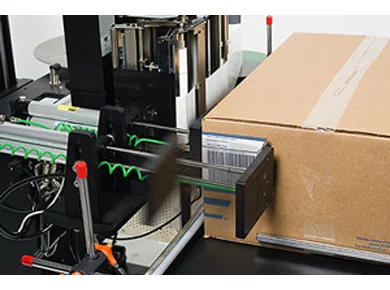
The pallet is detected and brought to a known labelling position. The system prints the required label and moves or presents the applicator to the selected face. Where more than one label is required, the pallet or applicator arrangement must present the additional face without compromising placement or cycle control. The line should not release the pallet until the agreed print, application and confirmation sequence is complete.

When another technology is more suitable

A case-level print-and-apply system is more appropriate where labels are applied before palletisation. A fixed label applicator may be sufficient for one repeatable face within easy reach, while multi-face or variable-position pallets normally require a dedicated pallet solution.

Project evidence to send

  • Representative smallest and largest products in production condition
  • Normal label rolls with roll and unwind details
  • Marked examples showing the required label position
  • Normal output, batch pattern and changeover range
  • Line layout, conveyor interfaces, coding and inspection requirements
Specification and test

Inputs that determine handling, sensing and acceptance

Unknown values should be confirmed from the real product and label rather than replaced with catalogue assumptions.

Pallet and loadPallet type, minimum and maximum load dimensions, wrap film, overhang, gaps, corner condition, label face and the variation in stopping position.
Label and dataLabel dimensions, material, adhesive, core, roll diameter, data source, template, barcode or logistics content and any customer-specific placement rule.
Handling cellConveyor type, pallet direction, stop position, accumulation, cycle sequence, guarding, access gates, vehicle movements and the boundary with upstream wrapping or downstream dispatch.
ConfirmationDefine whether the requirement is print completion, applied-label confirmation, barcode reading, multi-face confirmation, reject or hold status, and the signal exchanged with the line or warehouse system.
Sample trial

Use production-condition evidence

Use representative wrapped pallets, including the load conditions most likely to challenge placement. Confirm the stopping position and apply labels to each required face using realistic data. Inspect adhesion to the actual wrap or surface, label position, print readability and the sequence used when a label cannot be confirmed. Repeat after normal consumable replacement and an agreed restart condition.

Changeover and upkeep

Protect repeatability after setup

Keep print components, sensors and the applicator face clean, and inspect the reach mechanism, cables and guarding according to the configured equipment. Maintain access controls and safe-isolation procedures. Record label templates and data interfaces under change control, and keep critical consumables and spares matched to the installed printer and applicator.

Quotation brief

Describe the complete line role

Include upstream and downstream equipment, conveyor direction and height, normal stops, operator access, utilities and any control signals. State which items are essential and which are future options.

Buyer questions

Questions to resolve before ordering

What information is needed for a pallet labelling project?

Provide pallet and load dimensions, wrap or surface details, required label faces and positions, label specification, data source, conveyor arrangement, cycle requirement and the confirmation or hold logic needed.

Can labels be applied to more than one pallet face?

Multi-face application may be possible, but the pallet position, applicator reach, cycle sequence, guarding and required face relationship must be engineered for the actual line.

Does a successful print prove the pallet was labelled?

No. Print completion, label application, label presence, barcode reading and data reconciliation are separate states. The project should define which confirmations are required.

What pallet samples should be tested?

Use representative wrapped loads, including minimum and maximum sizes, typical overhang or surface variation and the actual label material and adhesive.

How does the labeller integrate with a warehouse system?

The data interface and ownership must be defined for the project, including templates, variable fields, handshake, error states and what happens before the pallet is released.

When should cases be labelled instead of pallets?

Apply labels at case level when the required identification belongs on individual cartons before palletisation. Use pallet labelling when the logistics unit itself needs one or more labels after the load is formed.

Ask Lancing UK to review this application

Send product samples or dimensions, the label-roll specification, marked placement examples, normal output and the surrounding line details.

Pallet presentation

Define load condition and label-face access before selecting the applicator motion

Pallet labelling is governed by the relationship between the stationary or moving load, the guarded applicator envelope and the face on which the label must be placed. A nominal pallet footprint is not enough when wrapping, overhang, irregular cartons or different load heights change the surface presented to the applicator.

Representative load state

Provide the actual pallet, wrap and outer-case condition, including the least regular load. Identify overhang, recessed faces, loose film, corner boards or gaps that could prevent consistent contact.

Approach and face selection

State conveyor direction, stopping position, required label face or faces and the physical datum used for placement. The available reach and movement must be assessed inside the safe machine envelope.

Data and verification

Define how pallet identity reaches the printer, what the label must contain and whether the process checks print quality, code readability, label presence or the final applied position.

Project evidenceWhy it mattersAcceptance record
Smallest, largest and least regular representative loadsConfirms applicator reach, clearance and contact across the operating rangeAccepted label position on each agreed load family
Wrapping and outer-face conditionLoose film, recesses or overhang can change adhesion and contactPhotographs and applied-label inspection under production condition
Conveyor stop and pallet datumPlacement depends on where the load is presented to the applicatorRecorded stop position and face reference
Variable-data source and sample labelsLinks the physical pallet to the correct printed informationApproved content for representative records
Fault and restart sequencePrevents an uncertain label or data record being carried into the next palletAgreed operator response and system state after recovery

What the supplied demonstration shows

The page video shows the applicator mechanism operating inside a guarded pallet-labelling cell. It is useful for understanding the physical machine arrangement and applicator movement. The final label face, reach, data exchange, cycle and verification method remain project-specific and should be confirmed around the real pallet and line.

Use the print-and-apply range for related systems, the pallet-labelling guide for planning, or the specialist print-and-apply site for detailed logistics routes. Product and case applications are covered by the industrial print-and-apply machine.

Review the pallet, data and guarded application zone together

Send pallet photographs, load extremes, wrap condition, label face, line direction, sample data and the required verification response.

Acceptance planning

Test the complete pallet envelope and label-face access

Provide the full load range, not only a nominal pallet. Include overhang, stretch wrap, straps, corner boards and positional tolerance. Confirm the required label faces, application height and data/verification requirement before fixing the cell layout.

Test conditionWhat to prove
Minimum/maximum loadReach and clearance
Worst surfaceWrap tension, voids and protrusions
Adjacent facesPallet orientation and applicator travel
Data identityCorrect label associated with the physical pallet
Failed applicationContainment, alarm and operator recovery

Prepare a representative machine trial

Send the minimum, maximum and most difficult products with production-quality label rolls and the intended placement reference.

Buyer questions

Further questions about pallet labelling

Pallet labelling must cope with a large moving load, variable wrap surfaces and the need to prove both label content and final application.

Why are pallet labels often applied to adjacent faces?

Adjacent-face labelling can make an identification label available from more than one approach direction in storage and handling. The required faces and positions should follow the buyer's logistics and scanning process rather than being assumed from the applicator design.

Confirm which face is identified first, whether the pallet must stop or turn and how the second application is verified.

How does stretch-wrap condition affect pallet label application?

Loose tails, deep wrinkles, holes, overlapping film and movement in the wrap can prevent consistent contact or leave the label bridging an unstable surface. The label material and application pressure also need to suit the actual wrapped load.

Use production-wrapped pallets in the trial, including the least regular acceptable wrap condition.

How does pallet labelling differ from case labelling?

Case labelling normally tracks individual cartons moving at line level, while pallet labelling identifies a completed unit load and may require long-reach application, multiple faces and warehouse data. The product scale, stopping method, data timing and verification sequence are different.

Decide whether traceability is required at case level, pallet level or both before selecting the system boundary.

What should happen when a pallet label cannot be read or confirmed?

The pallet should enter a defined exception process rather than continuing with uncertain identity. The line may stop, route the pallet to a controlled hold position or require authorised reprint and reapplication, depending on the agreed warehouse process.

The system should retain enough information to identify the affected pallet without allowing an uncontrolled duplicate label.

Need an answer for a specific labelling application?

Send the product, label and line details to Lancing so the answer can be checked against the real pack rather than treated as a generic machine assumption.

Logistics evidence

Link pallet identity, label faces and verification

Confirm load presentation, pallet stop position, required faces, data source, label content, barcode requirement and the response to a failed or missing label. The process should keep the pallet identity intact through every application and inspection step.

Contact us