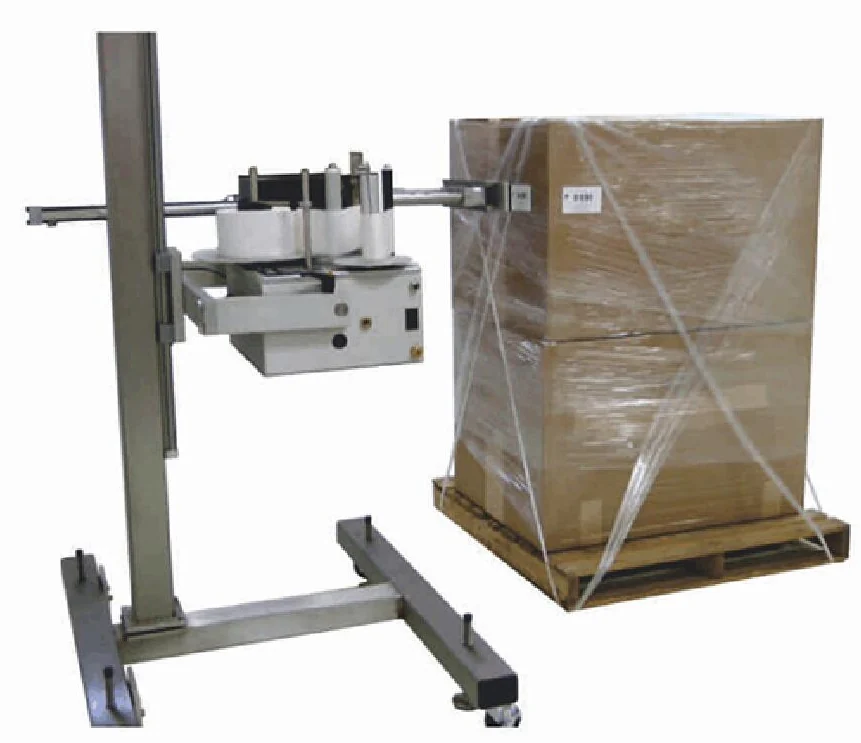
What pallet labelling systems do
Pallet labelling systems print variable data and apply labels to palletised loads. Depending on the site requirement, systems may apply labels to one side, two sides or adjacent faces so the pallet can be scanned in the warehouse or despatch area.
- Print and apply to pallet faces
- Variable barcode and logistics information
- Options for conveyors and guarding
- Useful for warehousing and distribution
Project details that matter
Pallet size, conveyor layout, label position, print data source and scan requirements should be confirmed before choosing the applicator stroke and guarding arrangement.
- Pallet height and wrap condition
- Application sides and label height
- Connection to WMS, ERP or printer data
- Safety and access around the pallet conveyor
Common questions
Can pallet labellers apply labels to two sides?
Yes. Systems can be configured for one, two or more side applications depending on layout.
Do pallet labelling systems print barcodes?
Yes. They are commonly used for variable data, barcodes and logistics labels.
Can a pallet labeller be installed on an existing conveyor?
Often yes, but the conveyor height, stopping accuracy, guarding and controls need to be reviewed.
Related machinery and guides
Use these pages to move from research into the correct machine range.
Need a labelling machine recommendation?
Send product photos, container dimensions, label size, label roll details and target output. Lancing UK can advise the correct labeller type before quotation.
Define the identity of the pallet before printing
For a pallet labelling enquiry, show where the information comes from and how it is associated with the physical load arriving at the station. Identify the job trigger, the required labelled faces and the event that confirms the pallet can proceed. This helps define the data and handling boundaries of the project.
Provide examples of the normal pallet range, including the wrapping condition and load outline. Ask the proposed system to demonstrate the application position and the intended reading or verification step on representative loads. Keep any customer or logistics standard as an explicit supplied requirement.
- Exception cases
- Ask how the proposed workflow handles a reprint, a changed load, missing data or a label that is not accepted by the agreed check.
- Integration ownership
- Name the parties responsible for warehouse data, printer configuration, conveyor control and acceptance testing.
Does buying a pallet labeller establish compliance with a barcode standard?
No. Specify the required data, format, placement and verification requirements with the responsible logistics team, then request evidence that the offered configuration and operating process satisfy those particular requirements.