Weight identity
Define where the weight value is created and how it remains tied to the correct product until the label is applied.
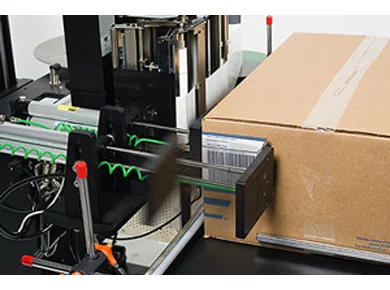
Weigh, print and apply labels for food packs and variable-weight products.
A weigh print and apply labelling system combines product weighing with variable label printing and automatic application. It is useful where weight, price, barcode or batch details must be printed at the time of labelling.
Final specification depends on real samples, label material and the production environment.
| Typical use | Variable-weight labelling |
|---|---|
| Automation level | Automatic / integrated |
| Container type | Packs, trays and cartons |
| Data | Weight, price, barcode and batch details |
Compare similar options before selecting the final machine type.
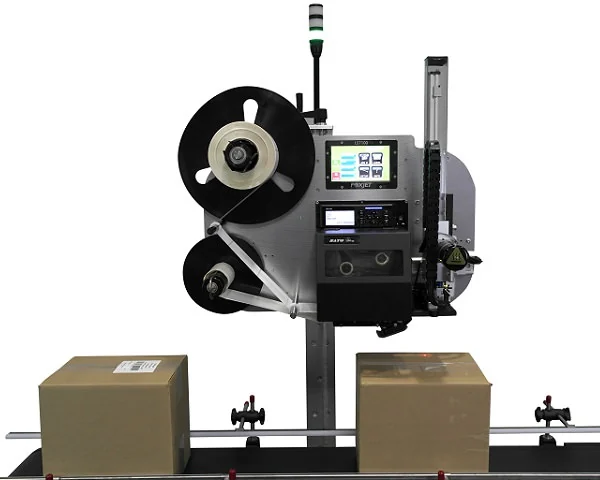
Print variable information and apply labels to products, cartons or cases.
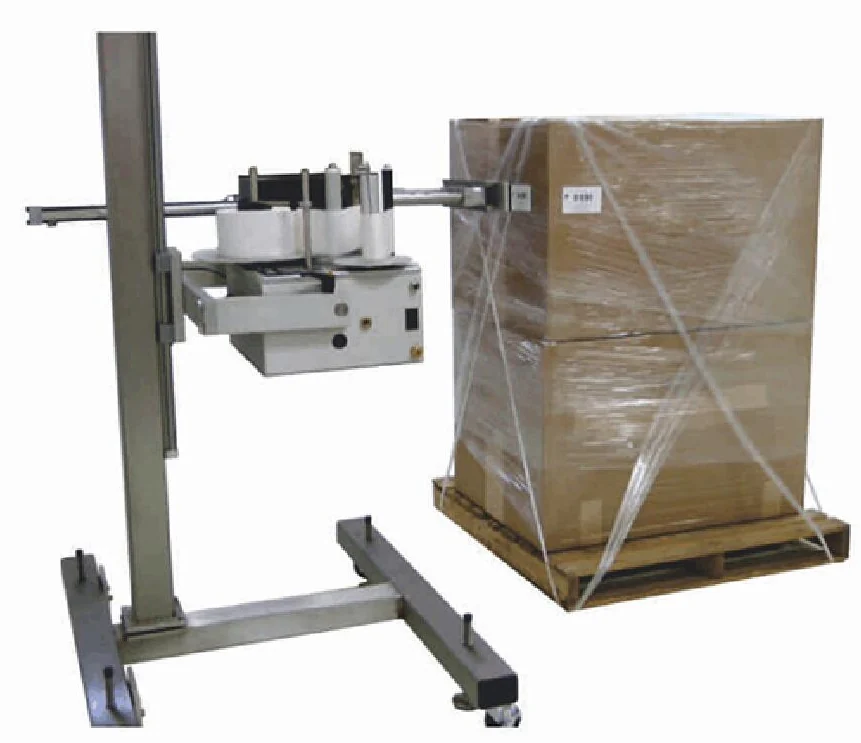
Print and apply pallet labels to one, two or multiple sides of palletised loads.
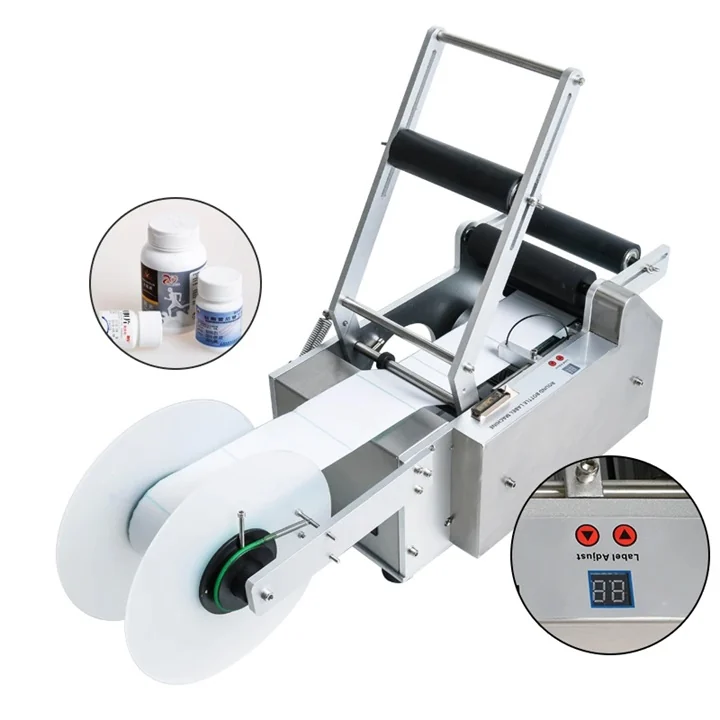
Bench-top wrap-around label applicator for round bottles, jars and small batches.
Weigh Print and Apply Labelling Machine should be selected around product handling, label roll data, required label position and the real production speed needed after changeover. A good specification should also confirm operator access, cleaning, guarding, conveyors, coding and spare parts before the machine is ordered.
Send your sample details, label roll specification and required output. Lancing UK can advise whether this configuration is suitable or whether another labelling route would be better.
A weigh print-and-apply system must maintain product identity from the weighing point through printing, application and verification. Define the legal or commercial status of the weight data, the data interface, print fields, product tracking, reject response and any checkweigher or inspection boundary. Do not assume that a labeller alone establishes legal metrology compliance.
Define where the weight value is created and how it remains tied to the correct product until the label is applied.
List every field, data owner, message format, job-selection method and response to missing or invalid information.
Agree how unreadable, missing, mismatched or unapplied labels are detected, contained and recorded for the customer process.
Use the barcode verification guide to prepare the trial and enquiry information.
Send the weighing process, data interface, label artwork, product tracking and acceptance requirements so the machinery boundary can be defined accurately.