Bridge geometry
Show the two surfaces, edge, fold or closure that the label must bridge and the movement that can occur after application.
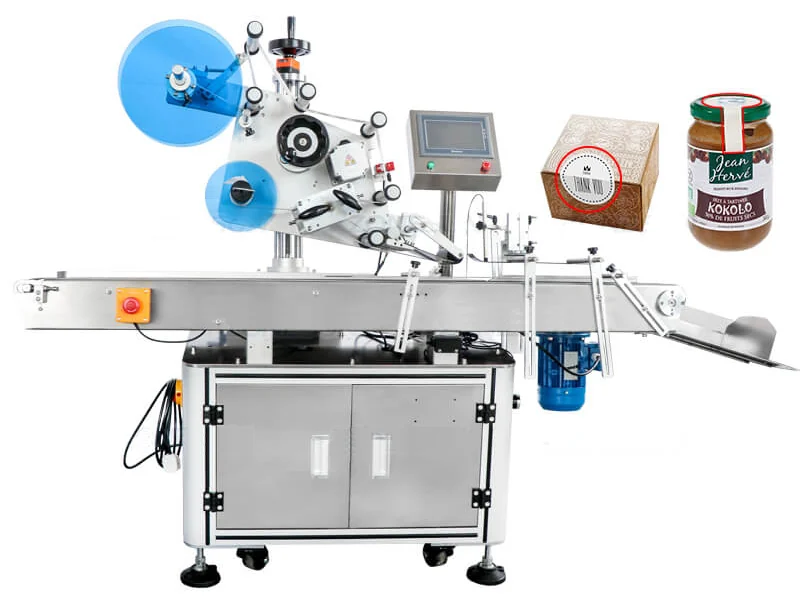
Tamper-evident label application for caps, lids, cartons and closures.
Tamper-evident labelling machines apply labels over openings, caps or closure areas to help indicate whether a product has been opened.
Final specification depends on real samples, label material and the production environment.
| Typical use | Tamper-evident labelling |
|---|---|
| Automation level | Semi or automatic configurations |
| Container type | Caps, lids, cartons and closures |
| Design basis | Closure shape and label path |
Compare similar options before selecting the final machine type.
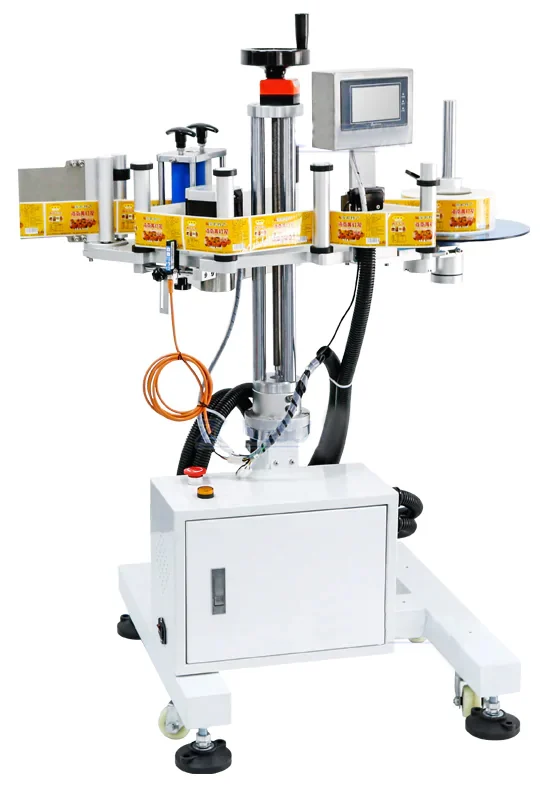
Side label applicator for bottles, boxes, cartons and line integration.
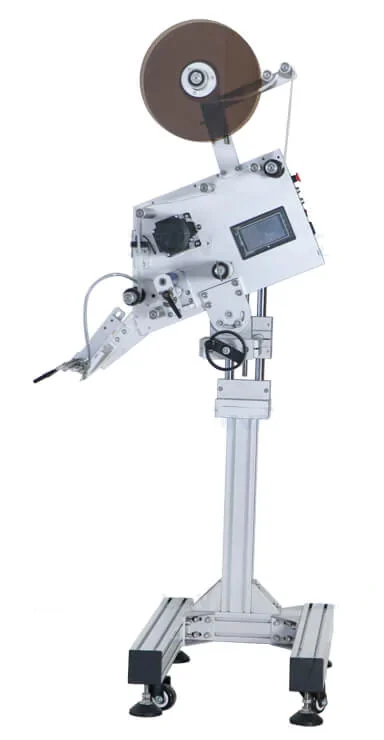
Top label applicator head for pouches, boxes, cards and flat product lines.
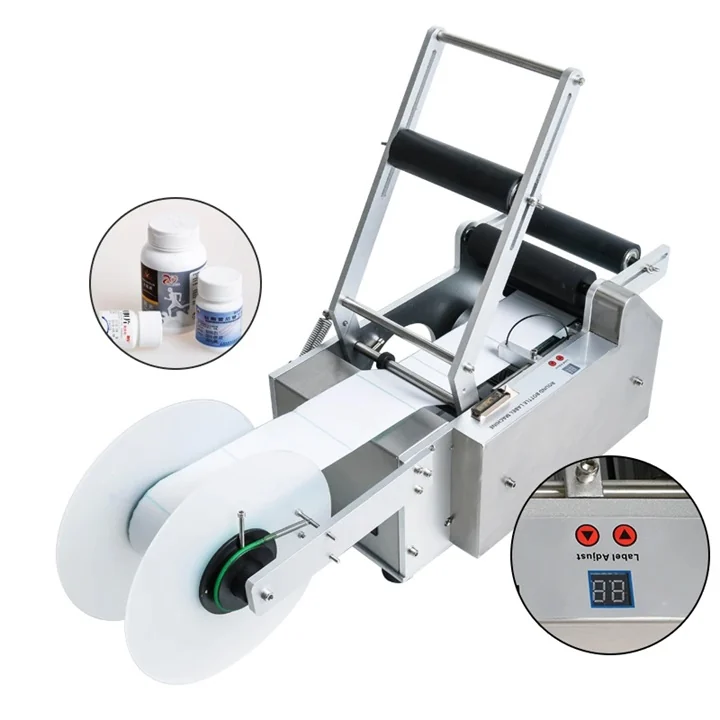
Bench-top wrap-around label applicator for round bottles, jars and small batches.
Tamper Evident Labelling Machine should be selected around product handling, label roll data, required label position and the real production speed needed after changeover. A good specification should also confirm operator access, cleaning, guarding, conveyors, coding and spare parts before the machine is ordered.
Send your sample details, label roll specification and required output. Lancing UK can advise whether this configuration is suitable or whether another labelling route would be better.
A tamper label can bridge a cap, lid, carton flap or closure, but the project must define what visible break or disturbance is intended. Record the two surfaces, edge or fold, label material, adhesive, application direction and any cap or carton movement after labelling. The machine applies the label; the customer must confirm the required tamper-evident performance for the product and market.
Show the two surfaces, edge, fold or closure that the label must bridge and the movement that can occur after application.
Test the real cap, lid, carton or container surfaces, including texture, contamination, temperature and available dwell.
Define what visible break, lift or disturbance the customer expects and how that result will be checked during acceptance.
Use the adhesion guide to prepare the trial and enquiry information.
Send the closed pack, final label and intended opening sequence so Lancing can assess application geometry without assuming the required market claim.
Show where the label crosses the opening feature and how the pack should behave when opened. Provide the container, closure and label material together. A standard label-placement enquiry does not define a tamper-evident system, so confirm the applicator arrangement and assess the opening evidence on the finished pack.
Related guidance: adhesion guide · Label Applicators & Retrofit Heads