Feed datum
Choose a stable edge or surface from which placement will be measured and keep it controlled before the product sensor.
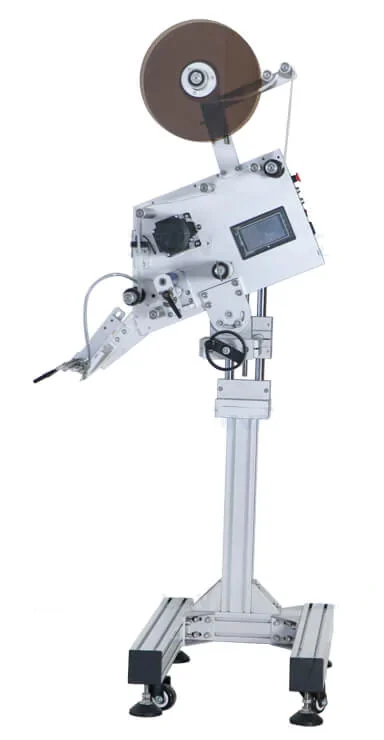
Top label applicator head for pouches, boxes, cards and flat product lines.
A professional top labelling head for mounting over a conveyor or feeder. It is suitable where products already travel in a stable orientation and need label application from above.
Final specification depends on real samples, label material and the production environment.
| Typical use | Top labelling |
|---|---|
| Automation level | Applicator / retrofit |
| Container type | Flat products and boxes |
| Mounting | Adjustable stand or line integration |
Compare similar options before selecting the final machine type.
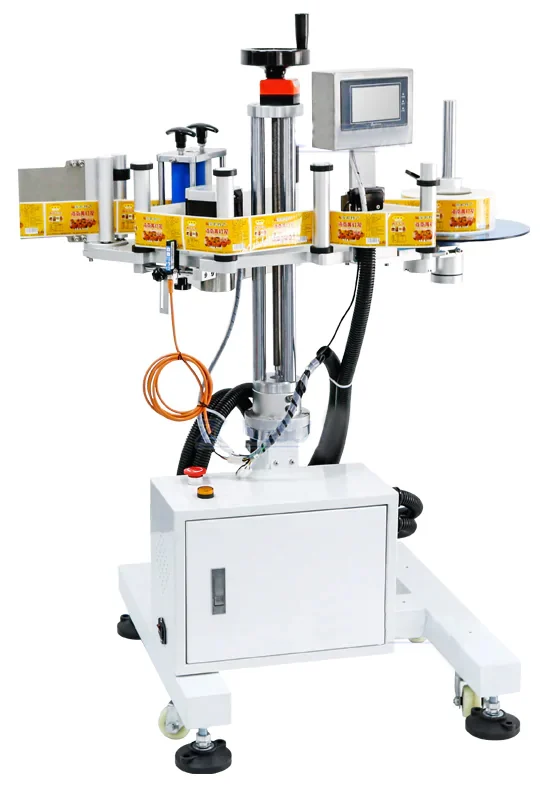
Side label applicator for bottles, boxes, cartons and line integration.
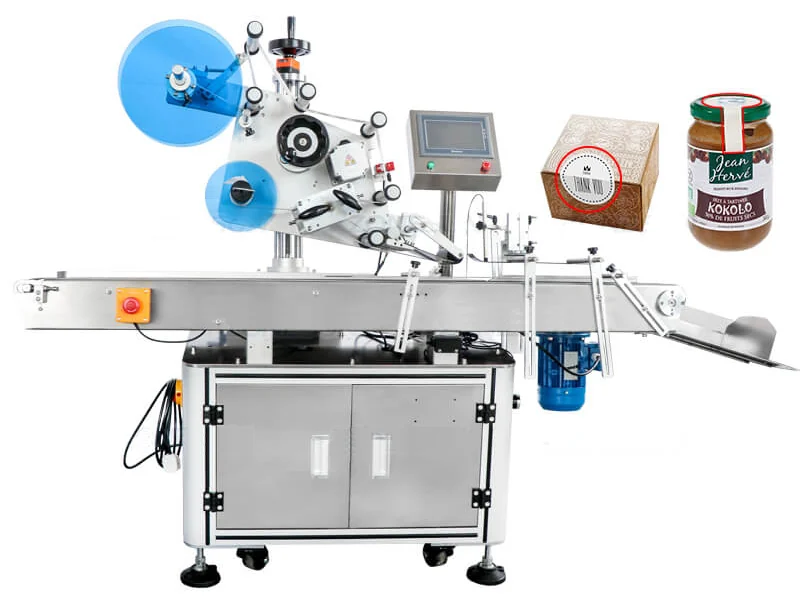
Tamper-evident label application for caps, lids, cartons and closures.
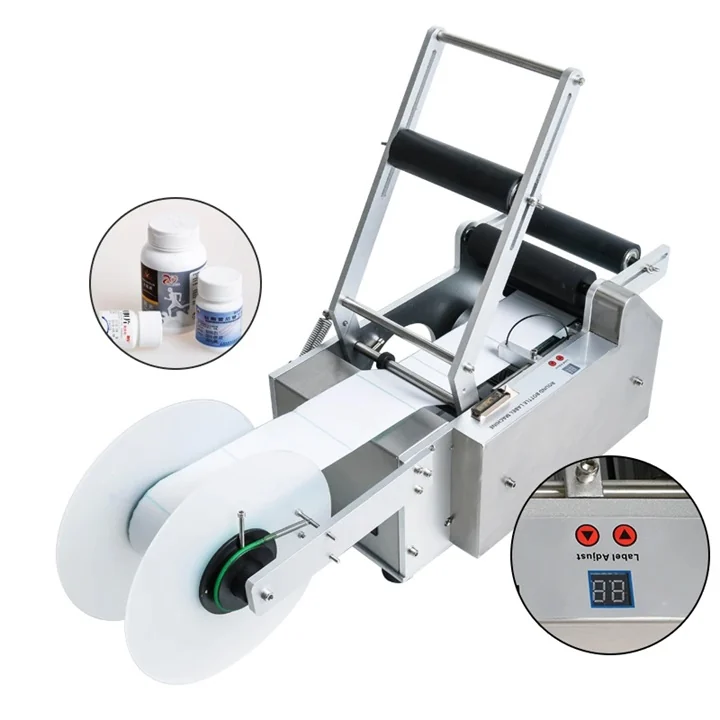
Bench-top wrap-around label applicator for round bottles, jars and small batches.
Top Side Label Applicator for Flat Products should be selected around product handling, label roll data, required label position and the real production speed needed after changeover. A good specification should also confirm operator access, cleaning, guarding, conveyors, coding and spare parts before the machine is ordered.
Send your sample details, label roll specification and required output. Lancing UK can advise whether this configuration is suitable or whether another labelling route would be better.
Flat products need repeatable height, lateral position and separation before they pass the label head. Flexible pouches may need flattening or controlled feed; cartons may need guides that do not crush or open them. Confirm the label position from a stable edge and the wipe-down method over seams or flaps.
Choose a stable edge or surface from which placement will be measured and keep it controlled before the product sensor.
Trial the least rigid pouch, card or lid to determine whether flattening, vacuum, belts or a dedicated feeder are needed.
Show seams, flaps, ridges and openings that could interrupt label contact or be damaged by guides and rollers.
Use the line-layout guide to prepare the trial and enquiry information.
Send the lightest and least rigid products, final labels and the intended feed method so presentation and wipe-down can be reviewed together.