Reference face
Choose one physical feature that makes the intended first panel unambiguous, including when several faces look alike.
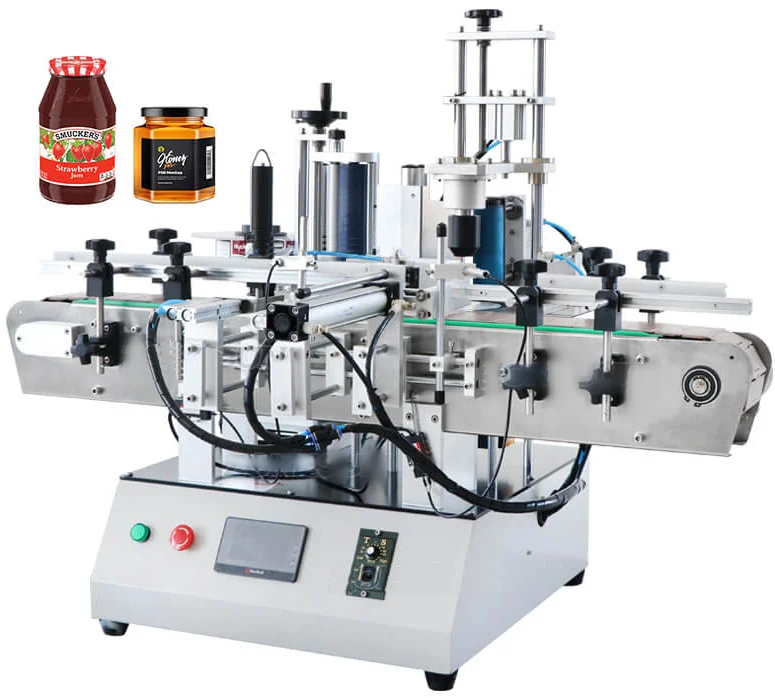
Controlled labelling for hexagonal jars, square jars and shaped containers.
A specialist labelling system for containers that do not rotate like a round bottle. It helps control label placement around shaped faces and panel positions.
Final specification depends on real samples, label material and the production environment.
| Typical use | Shaped container labelling |
|---|---|
| Automation level | Compact automatic |
| Container type | Hexagonal, square and shaped containers |
| Labels | Panel or wrap dependent |
This video asset is included in the site package so the page can show buyers the labelling action without relying on external embeds.
Compare similar options before selecting the final machine type.
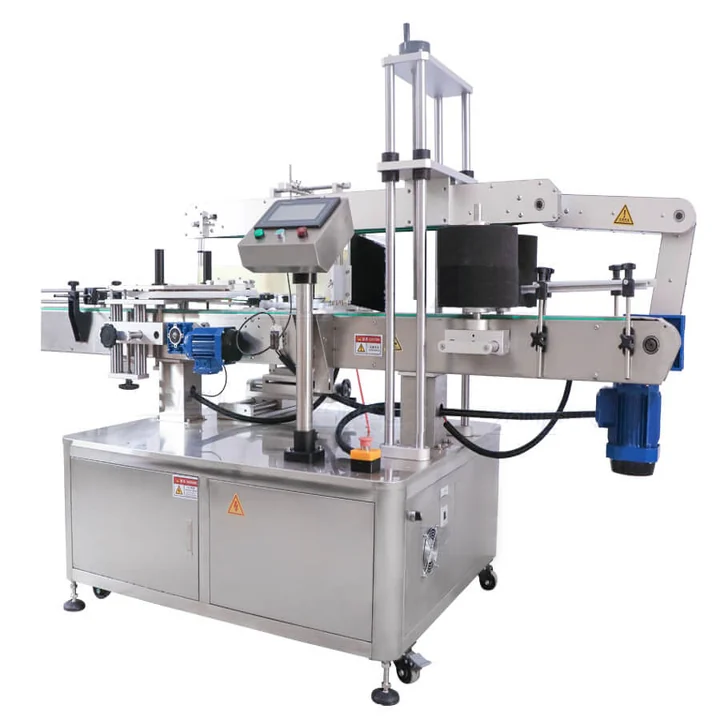
Multi-side labelling for square, rectangular and shaped packs.
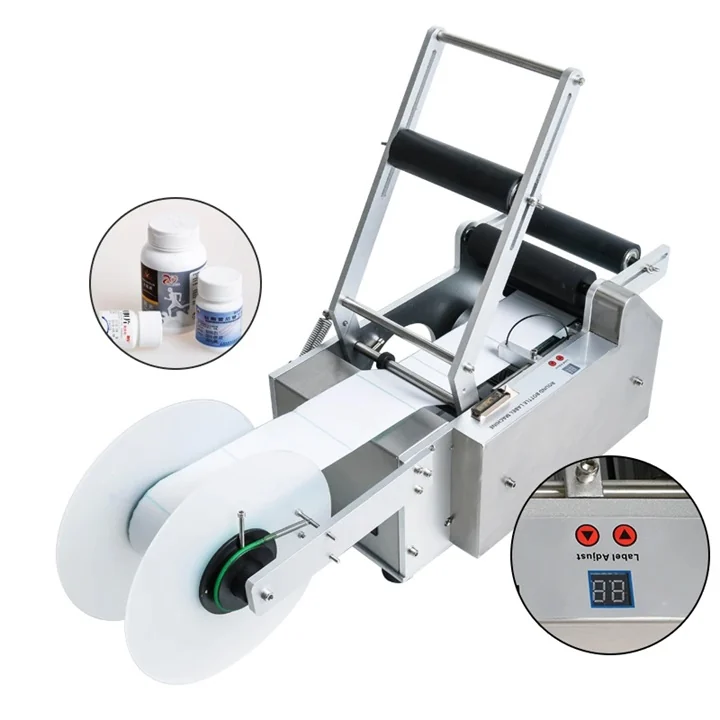
Bench-top wrap-around label applicator for round bottles, jars and small batches.
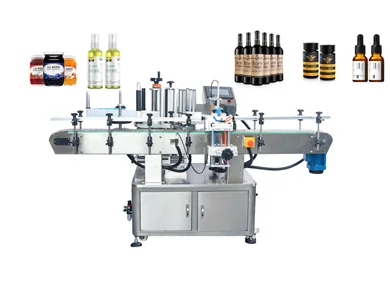
Space-saving automatic wrap-around labeller for round bottles on a conveyor.
Compact Hexagonal Labelling Machine should be selected around product handling, label roll data, required label position and the real production speed needed after changeover. A good specification should also confirm operator access, cleaning, guarding, conveyors, coding and spare parts before the machine is ordered.
Send your sample details, label roll specification and required output. Lancing UK can advise whether this configuration is suitable or whether another labelling route would be better.
Hexagonal packs can look regular but still rotate to several acceptable faces. Define which face is the datum, how the product is oriented and how the label crosses any corner. A representative trial should include moulding variation, filled weight and the final label material because rigid films and narrow corner radii can expose edge lift.
Choose one physical feature that makes the intended first panel unambiguous, including when several faces look alike.
Record corner radius, panel width and moulding variation because these determine how the label crosses from one face to the next.
Trial the final film, paper and adhesive; a label that works on a flat sample may lift where it bridges a narrow corner.
Use the shaped-container guide to prepare the trial and enquiry information.
Send filled containers, a marked orientation sample and production label rolls so the face sequence and finished corner condition can be reviewed.