Hazard assessment
Provide the current DSEAR assessment, zone information and relevant substance, vapour or dust characteristics from the competent site assessment.
Labelling machinery options for projects with hazardous-area considerations.
ATEX labelling projects require the machine specification, controls and installation environment to be reviewed around the zoning, product and site risk assessment. Lancing can discuss the required approach before quotation.
Final specification depends on real samples, label material and the production environment.
| Typical use | Hazardous-area labelling projects |
|---|---|
| Automation level | Project specified |
| Container type | Application dependent |
| Important note | Site zoning and risk assessment required |
Compare similar options before selecting the final machine type.
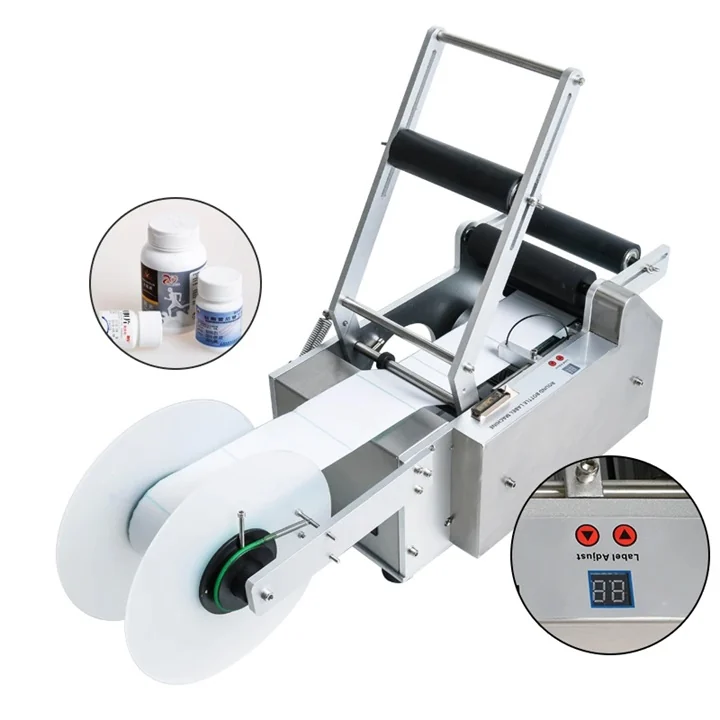
Bench-top wrap-around label applicator for round bottles, jars and small batches.
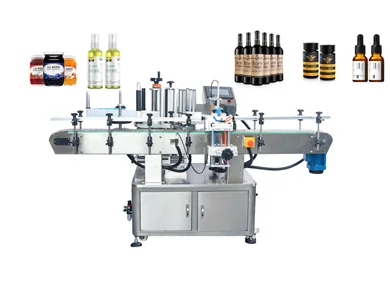
Space-saving automatic wrap-around labeller for round bottles on a conveyor.
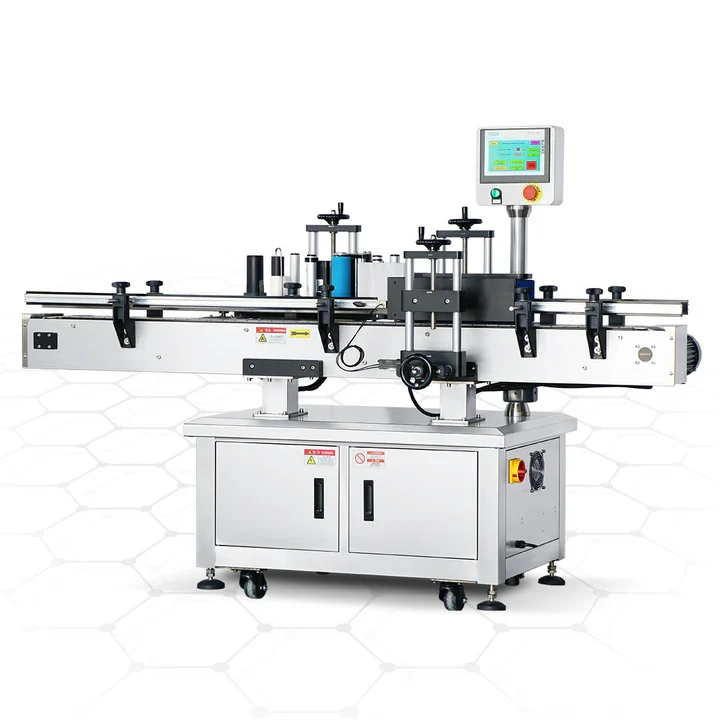
Inline wrap-around labelling for round bottles and jars at production-line speeds.
ATEX Labelling Machinery should be selected around product handling, label roll data, required label position and the real production speed needed after changeover. A good specification should also confirm operator access, cleaning, guarding, conveyors, coding and spare parts before the machine is ordered.
Send your sample details, label roll specification and required output. Lancing UK can advise whether this configuration is suitable or whether another labelling route would be better.
ATEX or hazardous-area suitability cannot be inferred from a standard labelling-machine photograph. Provide the site DSEAR assessment, zone, substance or dust information, equipment category requirements, area boundaries, ventilation and cleaning conditions. A competent project assessment is required for the machine, electrical equipment, static control and installation.
Provide the current DSEAR assessment, zone information and relevant substance, vapour or dust characteristics from the competent site assessment.
Identify which conveyors, labelling heads, printers, controls, sensors and ancillary devices sit inside or outside the classified area.
Define earthing, static control, ventilation, cleaning, access and site responsibilities without assuming that a standard machine configuration is suitable.
Use the ATEX project route to prepare the trial and enquiry information.
Send the competent site assessment, area drawing, pack samples, labels and line scope so Lancing can establish what specialist evaluation is required.