Small and unstable packs
Vials, tubes and small bottles may need positive spacing, guide control or dedicated handling so the sensor and label head see the same presentation every cycle.
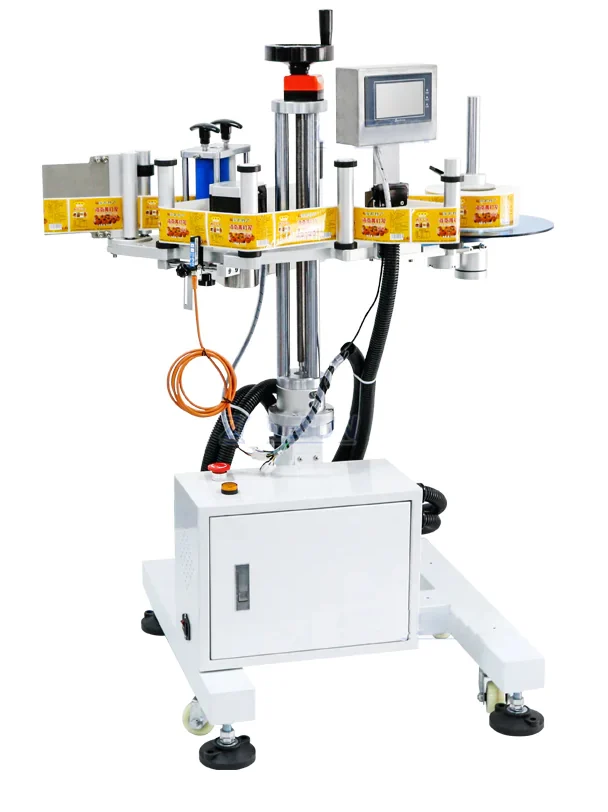
Labelling machines for medical, laboratory, healthcare and traceability-focused products.
Medical and pharmaceutical-adjacent applications often place greater emphasis on traceability, print quality, batch coding and controlled label placement.
These machines are common starting points for this application area.
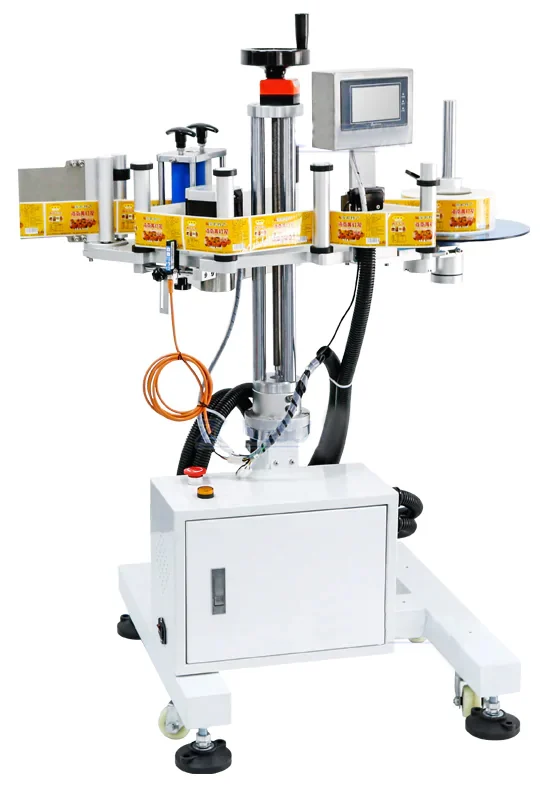
Side label applicator for bottles, boxes, cartons and line integration.
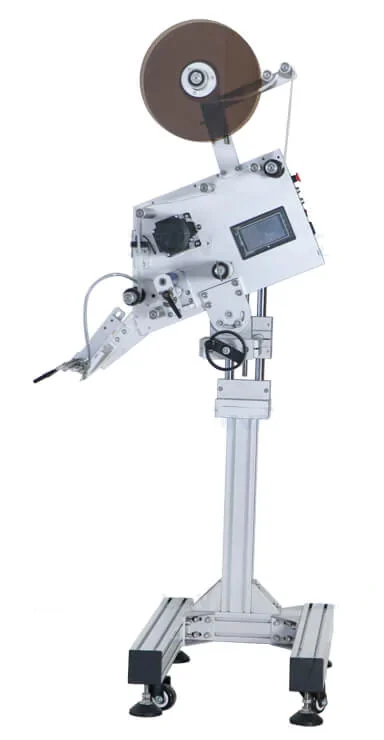
Top label applicator head for pouches, boxes, cards and flat product lines.
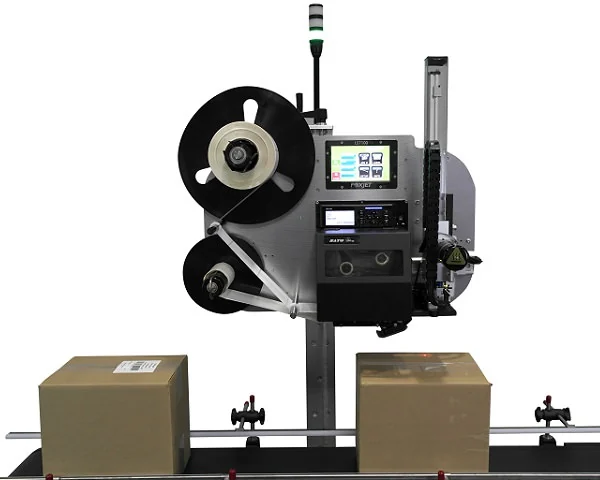
Print variable information and apply labels to products, cartons or cases.
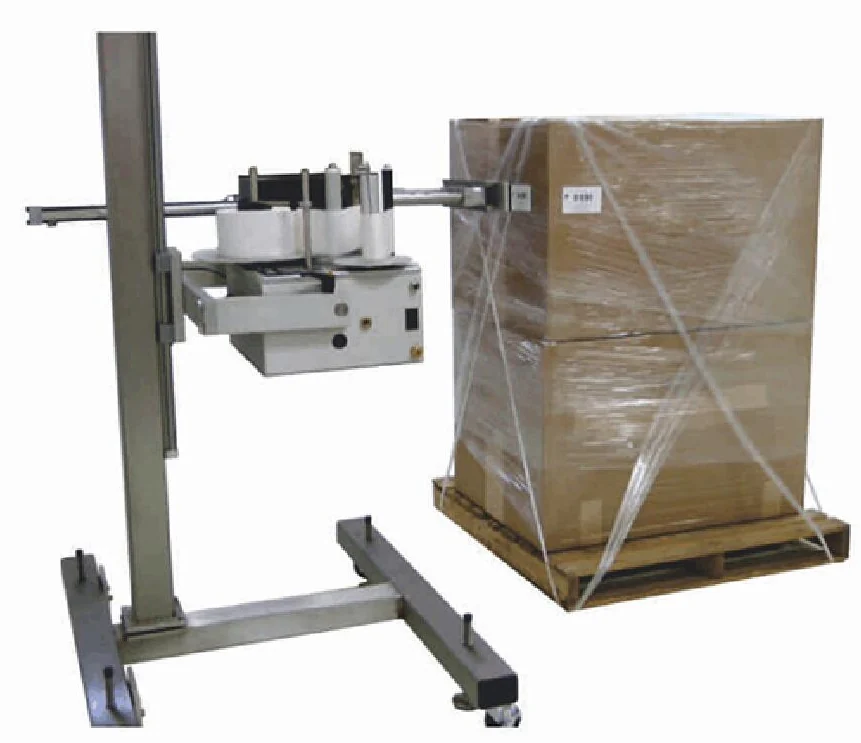
Print and apply pallet labels to one, two or multiple sides of palletised loads.
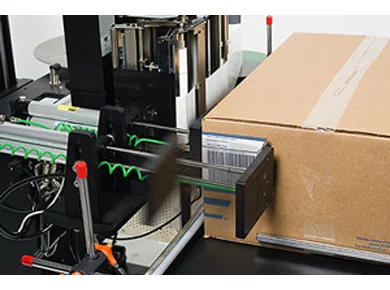
Weigh, print and apply labels for food packs and variable-weight products.
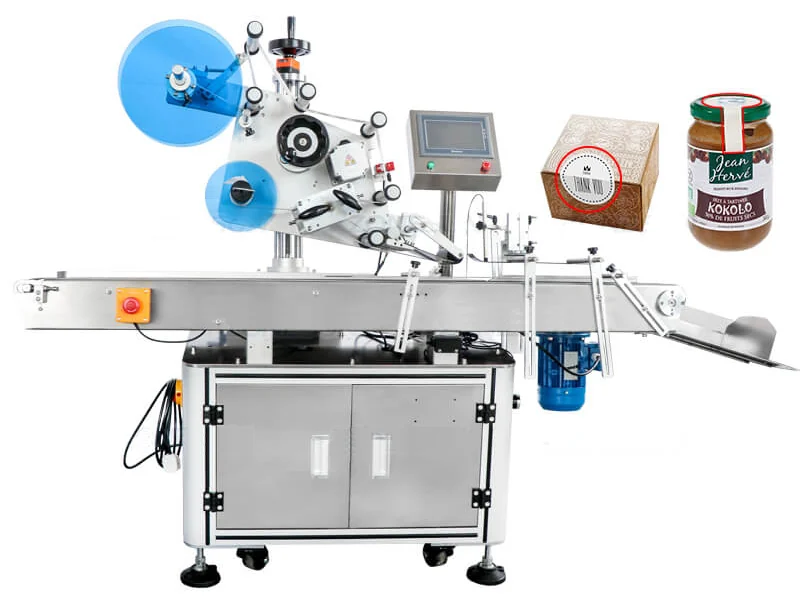
Tamper-evident label application for caps, lids, cartons and closures.
Send the pack format, label details and output target and Lancing UK can advise a practical machine shortlist.
Pharmaceutical and medical labelling projects often require more than accurate label placement. Product identity, label reconciliation, code readability, reject confirmation, access control, documentation and the distinction between factory and site validation must be defined by the customer's quality system.
Vials, tubes and small bottles may need positive spacing, guide control or dedicated handling so the sensor and label head see the same presentation every cycle.
State whether the project needs label presence, position, artwork, variable data, barcode reading, formal verification, reject confirmation or a combination.
Use the customer's User Requirement Specification, risk assessment and validation plan to define tests, records, responsibilities and site-only checks.
Lancing can support the machinery specification and acceptance evidence, but the customer remains responsible for its regulatory and validation requirements. No general page can confirm that a machine configuration is suitable for a particular medicinal or medical-device process.
Relevant planning resources include the URS guide, FAT checklist, vision-inspection guide and handover documentation guide.
Pharmaceutical and medical labelling projects may require more than repeatable label placement. The buyer should define the user requirements, critical devices, reject philosophy, retained records, access controls, qualification documents and acceptance responsibilities in the initial project scope.
FAT and SAT can provide valuable evidence, but IQ, OQ and PQ are controlled by the operating organisation's quality system. The required protocols, witnesses, traceability and approval route should be agreed before quotation rather than added after commissioning.
Electronic-record requirements depend on the records relied upon and the applicable regulatory framework; they do not apply automatically because a machine contains a PLC or HMI. Specify audit trails, user roles, reports, recipes, interfaces and record retention only where the process requires them.