Format envelope
Group SKUs by real handling needs: round rotation, front/back orientation, flat-product presentation, print-and-apply data and shaped-pack control.
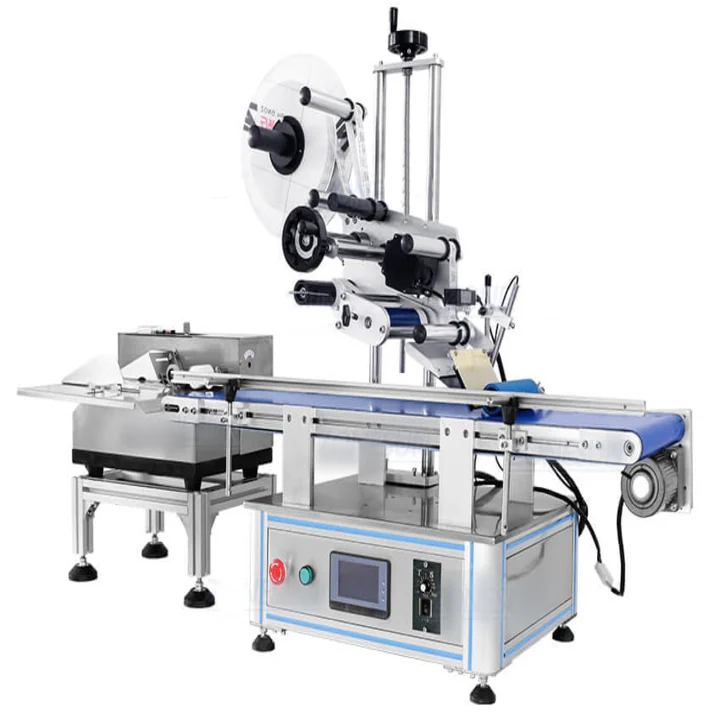
Flexible labelling machinery for contract packers handling multiple SKUs and changeovers.
Contract packers need flexible machines that can change between customer products. The changeover range, label stock and setup method matter as much as output speed.
These machines are common starting points for this application area.
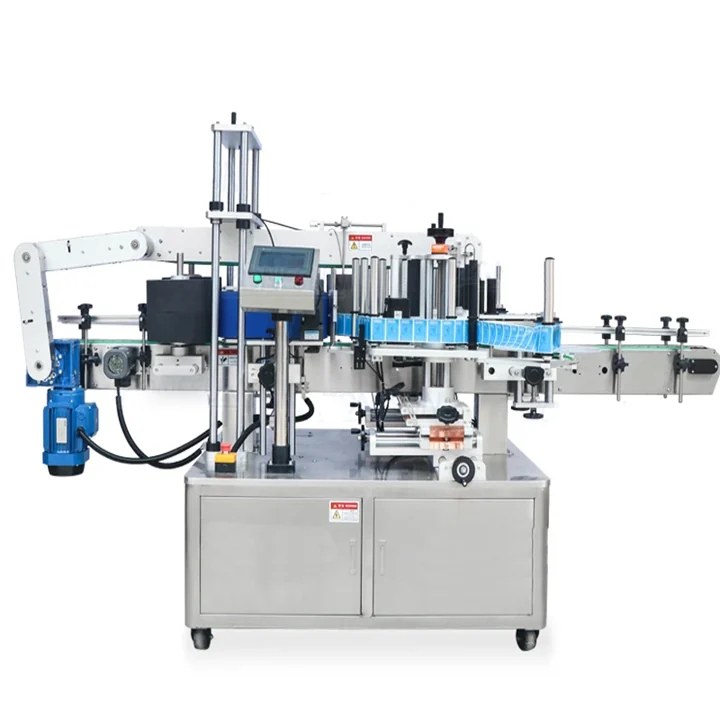
Front and back labelling for flat, oval, square and selected round containers.
Compact twin-side labelling for lower-output front and back applications.
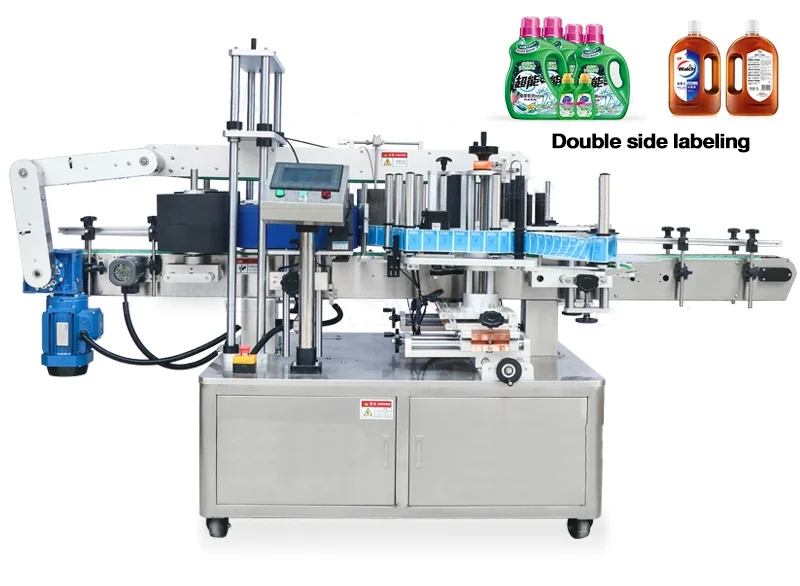
Production-ready front and back labeller for bottles, jars and containers.
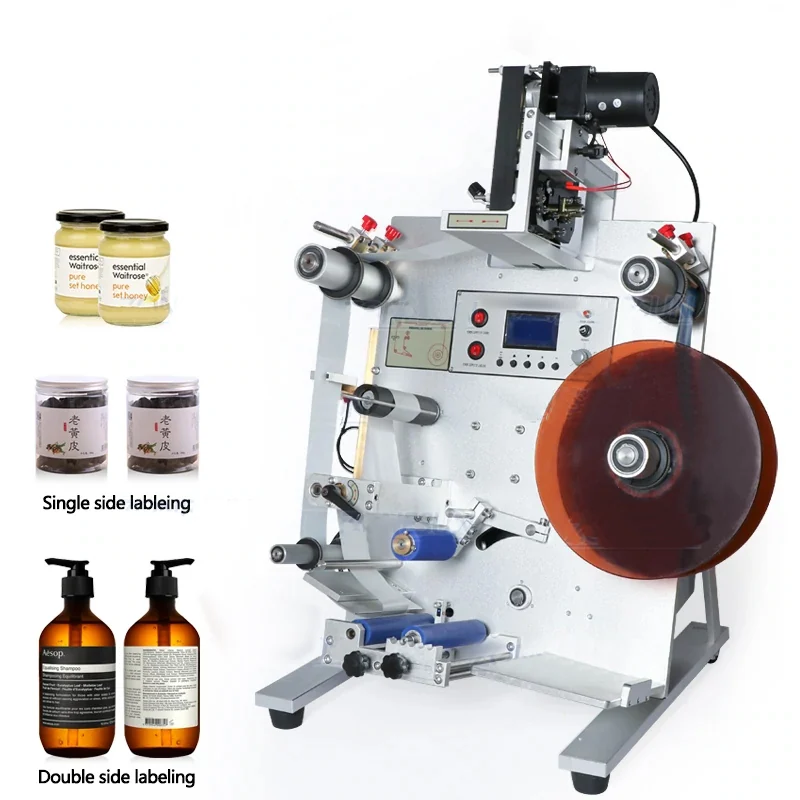
Semi-automatic two-side labelling for square and flat bottles.
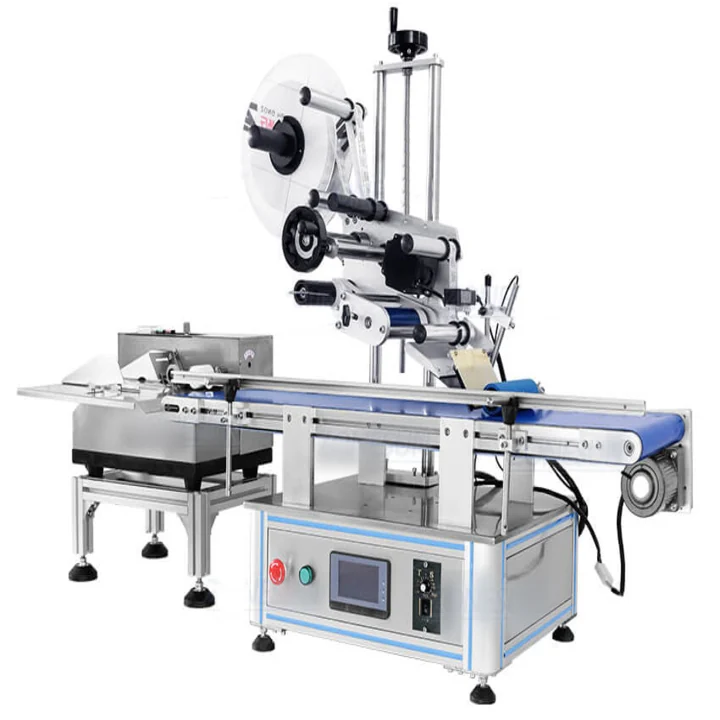
Flat surface labelling for pouches, bags, cartons, cards and flat products.
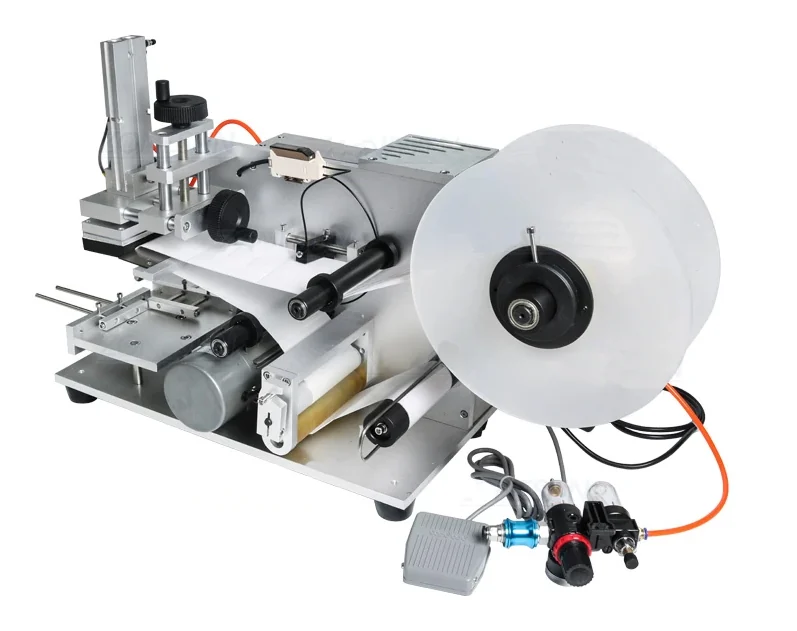
Benchtop label applicator for flat bottles, caps, lids and small containers.
Send the pack format, label details and output target and Lancing UK can advise a practical machine shortlist.
A contract packer's labeller may need to handle products, labels and data owned by several customers. The commercially useful machine is the one that can change between approved formats with clear records, practical access and a known boundary for exceptional packs.
Group SKUs by real handling needs: round rotation, front/back orientation, flat-product presentation, print-and-apply data and shaped-pack control.
Record roll specification, customer, artwork revision, batch, unused-label handling and the checks required before a job starts.
Define who selects the job, verifies product and labels, records settings, releases the first-off sample and clears material from the previous run.
Use the cleaning and changeover guide and trial-samples guide to create a representative format set. A machine trial should include the smallest, largest, least stable, most transparent and most demanding label combinations rather than only the current highest-volume SKU.
Provide a format matrix, representative products and labels, batch sizes, changeover frequency, normal output, coding and inspection needs, available operators, line layout and the expected process for future customer formats.