Surface condition
Test real containers from the filling process. A clean sample may not represent oil, solvent, dust or product residue at the intended labelling point.
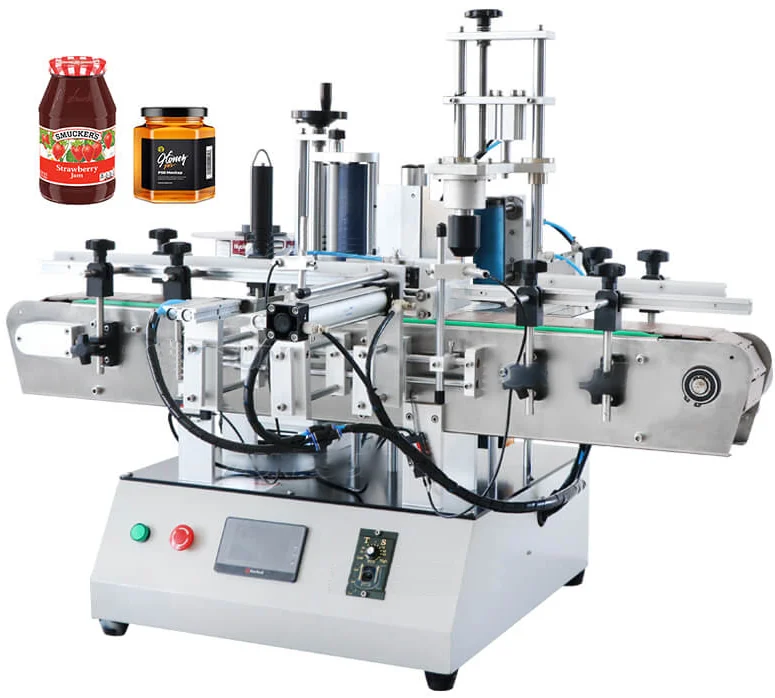
Labelling systems for chemical bottles, lubricant containers, hazard labels and industrial packs.
Chemical and lubricant products may require robust containers, hazard labels, front/back presentation and sometimes ATEX review. Product stability and label adhesion should be checked early.
These machines are common starting points for this application area.
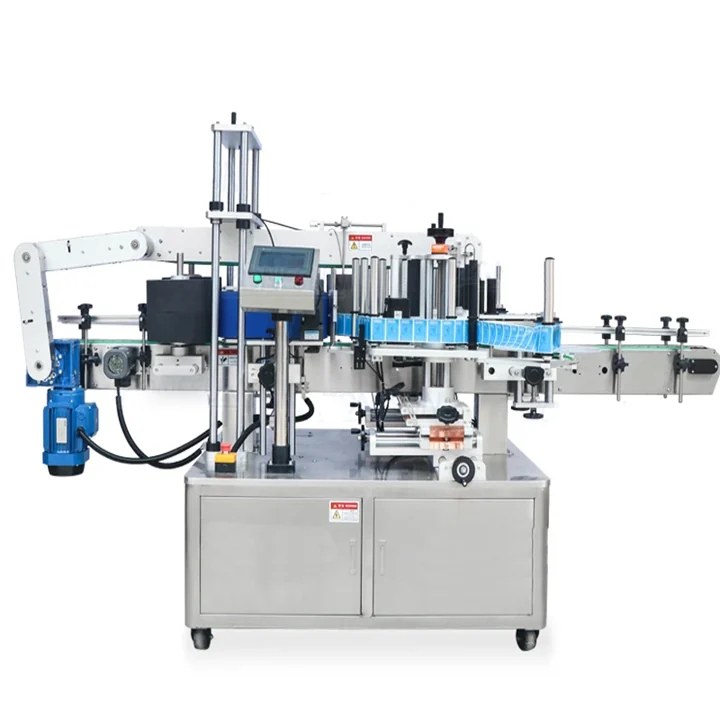
Front and back labelling for flat, oval, square and selected round containers.
Compact twin-side labelling for lower-output front and back applications.
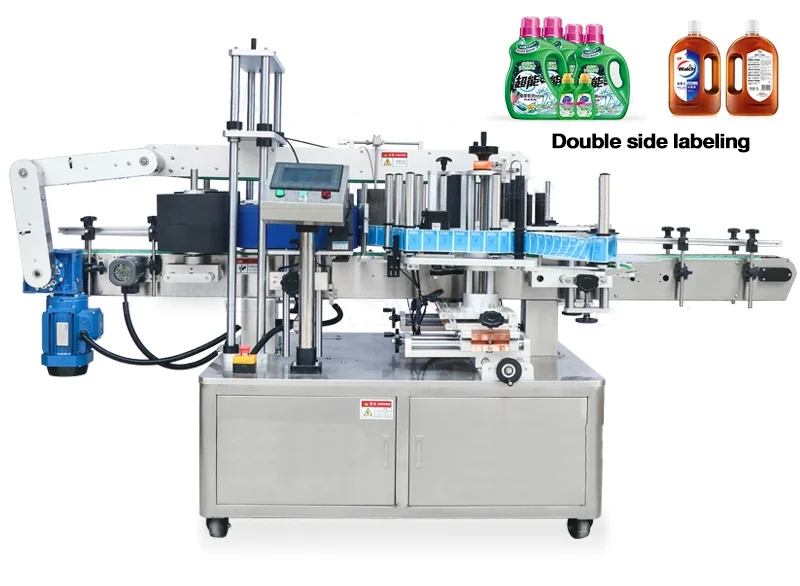
Production-ready front and back labeller for bottles, jars and containers.
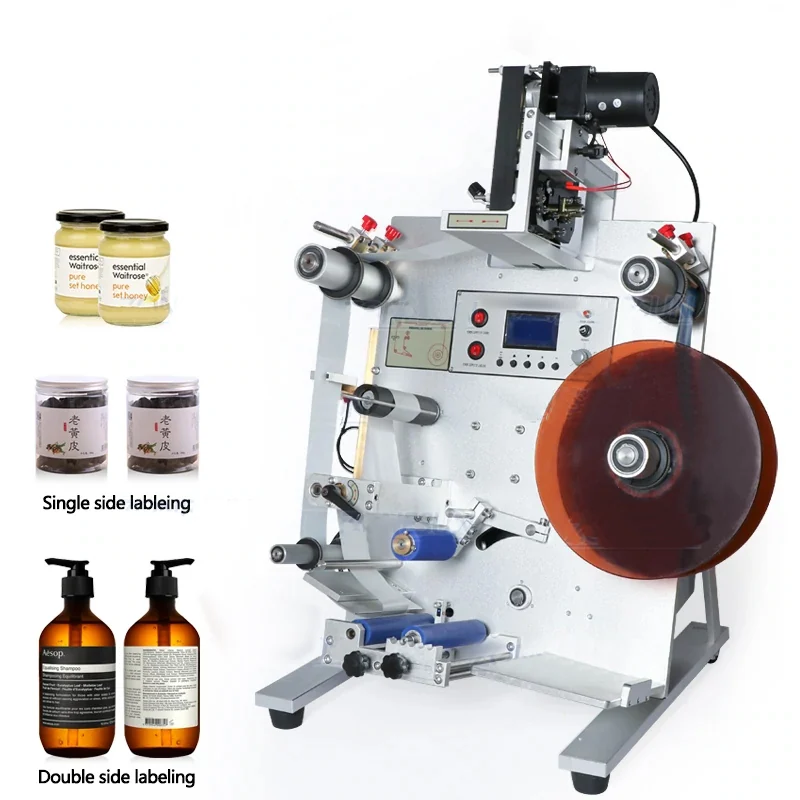
Semi-automatic two-side labelling for square and flat bottles.
Labelling machinery options for projects with hazardous-area considerations.
Send the pack format, label details and output target and Lancing UK can advise a practical machine shortlist.
Chemical and lubricant labelling can be affected by oil films, product drips, large containers, trigger handles, heavy filled weights and potentially hazardous environments. The project must distinguish the label-application problem from the site's DSEAR and equipment-selection duties.
Test real containers from the filling process. A clean sample may not represent oil, solvent, dust or product residue at the intended labelling point.
Large or handled packs may need positive orientation and support that avoids labels, caps, spouts and flexible side walls.
Do not infer ATEX suitability from a standard machine family. The employer's DSEAR assessment and zone information are required before equipment can be specified.
HSE states that areas where explosive atmospheres may occur must be risk assessed under DSEAR and that equipment in those atmospheres must be specially designed so ignition risks are eliminated or reduced. See HSE guidance on electricity in potentially explosive atmospheres. This is general guidance; the final machine, electrical and installation scope requires competent application-specific assessment.
Use the ATEX and hazardous-area labelling route for the project boundary and the adhesion guide for surface testing.