What information should I prepare first?
Prepare product photos, container dimensions, label roll details, target output, line layout and any coding or integration requirements before asking for a recommendation.
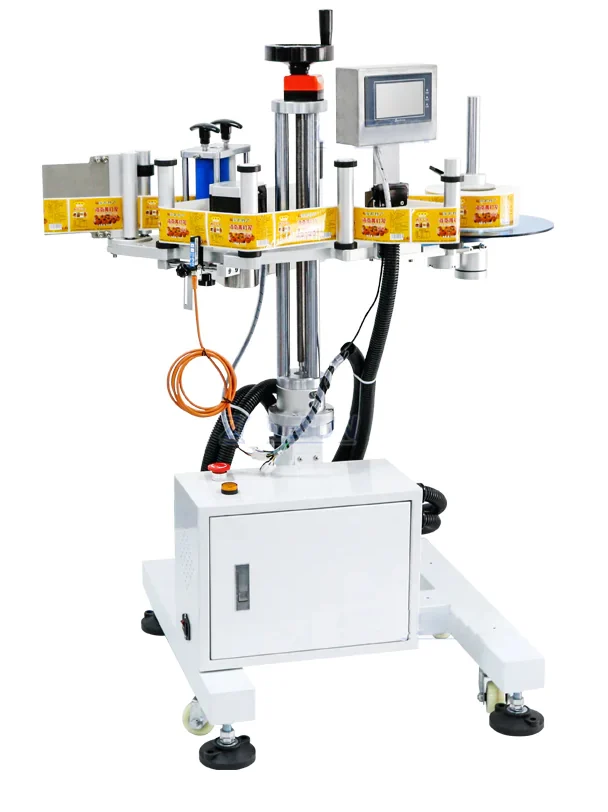
Common causes of wrinkled labels on bottles and packs, including material, wipe-down pressure, container shape and label timing.
This guide is for reducing wrinkled labels on products. Wrinkles usually come from a mismatch between label material, pack shape, wipe-down pressure and the way the product is controlled during application.
It is most useful for bottle, jar, tube and flat product labelling. The aim is to make the enquiry clearer before quotation, reduce the risk of under-specified equipment and help buyers compare labelling machine options on practical production details.
Before choosing a machine, collect the details that affect label presentation, product control and line uptime. These checks help decide whether the best route is a semi-automatic labeller, compact automatic system, inline applicator, print-and-apply unit or a fully integrated labelling line.
The correct labelling route should be judged against real products and real labels. Small differences in container shape, label material, label gap, product stability or line speed can change the applicator head, product handling and acceptance test requirements.
| Label | label stiffness and adhesive behaviour |
|---|---|
| Curved, | curved, tapered or flexible surfaces |
| Wipe-down | wipe-down pressure and roller alignment |
| Speed | speed too high for product control |
| Surface | surface contamination or condensation |
For more accurate advice, send pack photos, label roll details, target output, current bottleneck and any drawings or videos of the existing line. Lancing UK can then help identify the most practical labelling route before a formal quotation is prepared.
Use these pages to compare products, applications and guide content connected to this topic.
Use this related page to compare the labelling route, specification checks or quotation details.
RelatedUse this related page to compare the labelling route, specification checks or quotation details.
RelatedUse this related page to compare the labelling route, specification checks or quotation details.
RelatedUse this related page to compare the labelling route, specification checks or quotation details.
RelatedUse this related page to compare the labelling route, specification checks or quotation details.
RelatedUse this related page to compare the labelling route, specification checks or quotation details.
Prepare product photos, container dimensions, label roll details, target output, line layout and any coding or integration requirements before asking for a recommendation.
That depends on output, changeover frequency, product stability and available footprint. The same label can require different machinery at different production volumes.
Clear product, label and line information reduces assumptions, which makes it easier to compare machine routes and avoid under-specified equipment.
Send product photos, dimensions, label roll details and target output. Lancing UK can help shortlist the correct labelling machine type.