What information should I prepare first?
Prepare product photos, container dimensions, label roll details, target output, line layout and any coding or integration requirements before asking for a recommendation.
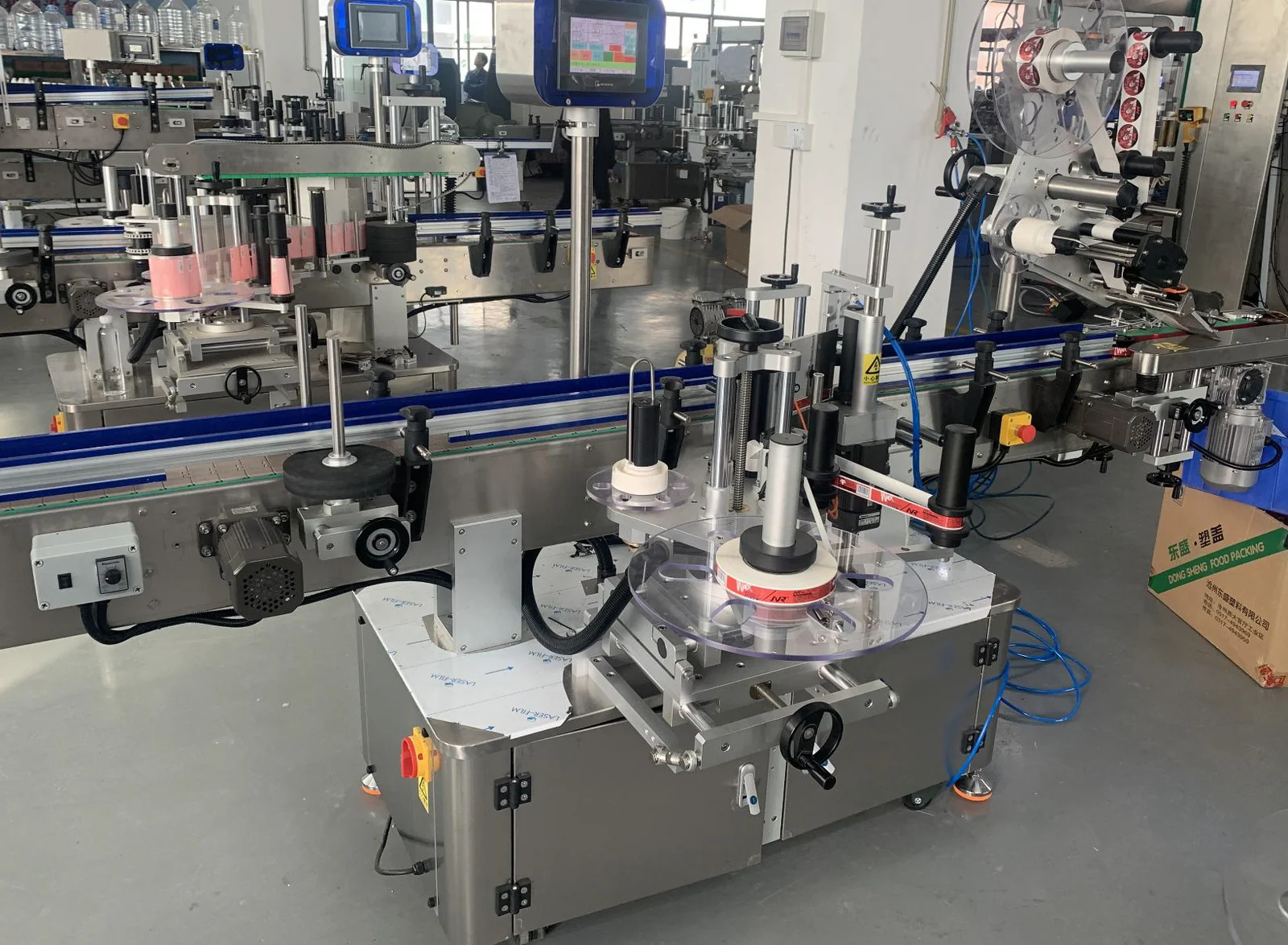
Site survey checklist for labelling machinery projects, covering line space, access, utilities, product flow and installation constraints.
This guide is for checking a site before installing a labeller. A site survey reduces the risk that a technically correct labelling machine fails because of access, services, conveyor height or product flow constraints.
It is most useful for production lines replacing manual labelling or integrating new automatic labellers. The aim is to make the enquiry clearer before quotation, reduce the risk of under-specified equipment and help buyers compare labelling machine options on practical production details.
Before choosing a machine, collect the details that affect label presentation, product control and line uptime. These checks help decide whether the best route is a semi-automatic labeller, compact automatic system, inline applicator, print-and-apply unit or a fully integrated labelling line.
The correct labelling route should be judged against real products and real labels. Small differences in container shape, label material, label gap, product stability or line speed can change the applicator head, product handling and acceptance test requirements.
| Available | available floor space and maintenance access |
|---|---|
| Conveyor | conveyor height, product flow and infeed/outfeed clearance |
| Power, | power, air and network requirements |
| Operator | operator position and guarding/access needs |
| Delivery | delivery route, door widths and installation timing |
For more accurate advice, send pack photos, label roll details, target output, current bottleneck and any drawings or videos of the existing line. Lancing UK can then help identify the most practical labelling route before a formal quotation is prepared.
Use these pages to compare products, applications and guide content connected to this topic.
Use this related page to compare the labelling route, specification checks or quotation details.
RelatedUse this related page to compare the labelling route, specification checks or quotation details.
RelatedUse this related page to compare the labelling route, specification checks or quotation details.
RelatedUse this related page to compare the labelling route, specification checks or quotation details.
RelatedUse this related page to compare the labelling route, specification checks or quotation details.
RelatedUse this related page to compare the labelling route, specification checks or quotation details.
Prepare product photos, container dimensions, label roll details, target output, line layout and any coding or integration requirements before asking for a recommendation.
That depends on output, changeover frequency, product stability and available footprint. The same label can require different machinery at different production volumes.
Clear product, label and line information reduces assumptions, which makes it easier to compare machine routes and avoid under-specified equipment.
Send product photos, dimensions, label roll details and target output. Lancing UK can help shortlist the correct labelling machine type.
A floor-space rectangle is not a complete site survey. The machine must pass through the building, align with the product path, connect to utilities and remain accessible for label loading, changeover, cleaning and maintenance.
Measure doors, corridors, lifts, thresholds, corners and final positioning space. Record any lifting or handling constraints and who provides them.
Confirm conveyor height, direction, product datum, transfer gaps, upstream/downstream equipment and space for accumulation or product spacing.
Record electrical supply, compressed air where required, network/data connections, isolator positions and cable routes. Final requirements depend on the selected equipment.
Describe cleaning regime, wash-down exposure, dust, solvents, temperature, humidity, static, lighting and hazardous-area classification where applicable.
Use the table to turn a broad requirement into evidence that can be reviewed during sample trials, FAT, installation and handover.
| Area | What to establish | Practical check |
|---|---|---|
| Delivery and positioning | Route dimensions, floor loading, lifting plan and final orientation | Machine reaches position without dismantling assumptions |
| Product path | Conveyor height, direction, transfer and accumulation | Stable hand-off at minimum and maximum products |
| Operator access | Roll loading, changeover, cleaning and normal controls | Tasks can be performed without unsafe reach or obstruction |
| Maintenance access | Panels, printer, belts, sensors and change parts | Required service area remains available after installation |
| Utilities/interfaces | Power, air, data, signals and isolation | Supplies and ownership agreed before commissioning |
| Safety/site rules | Guarding boundary, emergency-stop integration, permits and induction | Site-specific assessment and actions closed |
Continue with the pages that address the next technical or commercial decision.
Review access, safeguards and site-specific duties.
ControlsDefine the interface to adjacent packaging equipment.
RecordsCapture the final installed layout and site actions.
SupportDiscuss site preparation, commissioning and training.
Send the product, label and line information so the most suitable labelling route can be checked before quotation.